
Symptoms
Can endometriosis cause weight gain?
The short answer
Endometriosis is not proven to directly cause fat gain, but inflammation can contribute to fluid shifts, bloating, and swelling that resemble weight gain. Pain, fatigue, stress, sleep disruption, and reduced activity may also affect weight over time.
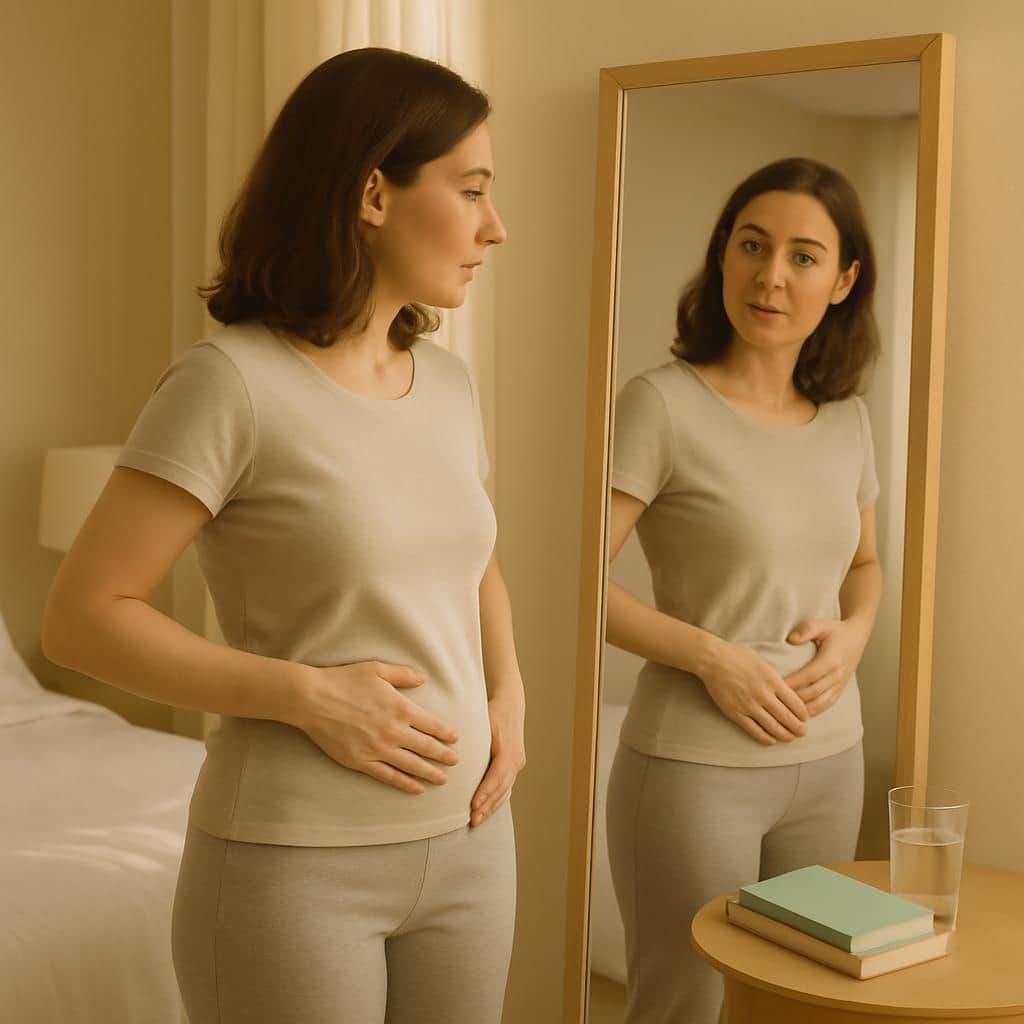
Endometriosis is not proven to directly cause fat gain, but it can contribute to body changes that look and feel like weight gain. It is an inflammatory condition, and inflammation can contribute to fluid shifts, bowel slowing, constipation, and abdominal distension. Cyclical pelvic and abdominal swelling, often called endo belly, can change your waistline from day to day even when your diet and body fat haven’t changed.
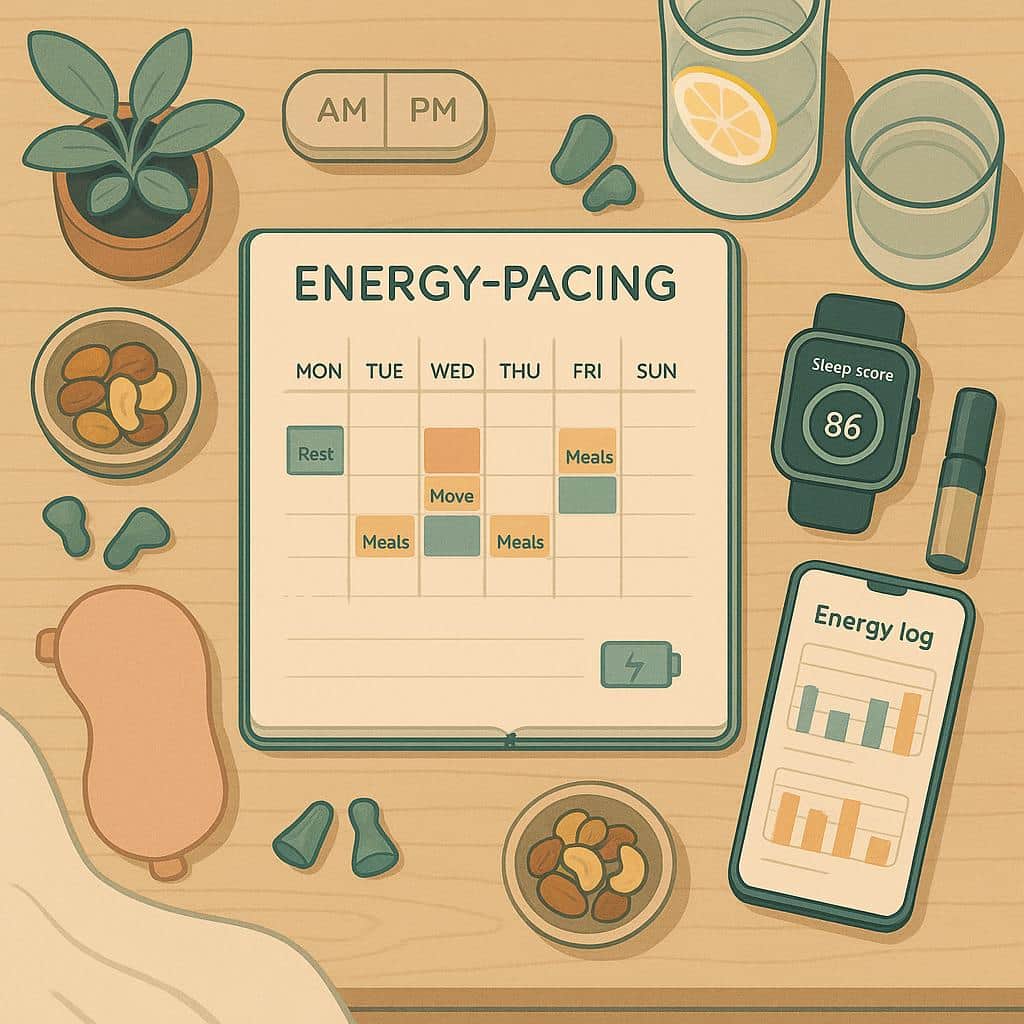
Over time, pain, fatigue, sleep disruption, stress, and reduced activity can affect appetite, metabolism, and body composition, making weight management harder. Some research suggests a possible association between endometriosis and metabolic risk patterns, including central waist measurements and lipid markers. These associations do not establish whether endometriosis causes metabolic changes or metabolic changes contribute to endometriosis.
If weight or waistline changes occur alongside pelvic pain, heavy bleeding, or bowel or bladder symptoms, our team can help distinguish inflammation and digestive distension from longer-term metabolic or hormonal contributors. If you’d like, contact our team to schedule a consultation and discuss further evaluation and individualized treatment aligned with your symptoms and goals, including excision surgery when appropriate and coordinated whole-person care.
Where to go from here
Understand it, compare it with what you're feeling, then talk it through with us.
Understand
Understand the condition
Speak with Us
Notice Changes in Your Body?
Endometriosis can cause bloating and swelling that mimic weight gain. Our specialists understand these symptoms and can help clarify what's happening.
Questions people ask next
All symptoms questionsWhat is endo belly?
Endo belly is the common term for severe bloating and abdominal swelling that can happen with endometriosis. It may come and go in waves, sometimes appearing within hours, and can look like weight gain even when it is swelling rather than fat gain.
Can endometriosis make weight loss harder?
Yes, endometriosis can make weight loss feel harder, though it is not proven to directly cause fat gain. Bloating and fluid shifts can affect the scale, while pain, fatigue and sleep disruption can reduce activity and indirectly affect weight over time.
Can adenomyosis cause weight gain?
Adenomyosis isn’t proven to directly cause true fat gain, but it can lead to body changes that feel like weight gain. Bloating, fluid shifts, constipation and an enlarged uterus can increase scale weight or waistband size without reflecting long-term fat gain.
Can endometriosis cause bloating on an empty stomach?
Yes, endometriosis can cause bloating even when you haven’t eaten. Inflammation, irritation, and tissue changes in the pelvis and abdomen can contribute, and endometriosis affecting the bowel or nearby structures can change how the intestines move and expand.
Further reading
Can Endometriosis Cause Weight Gain?
Explore how endometriosis may contribute to body changes like bloating and weight gain. Learn more about the latest research and expert insights.
How Endometriosis Can Affect Your Bowel and Digestion
Learn how endometriosis affects bowel health and digestion. Discover symptoms, diagnosis challenges, and treatment options. Get informed today!
What Helps Endometriosis Fatigue A Practical Guide to Relief
What helps endometriosis fatigue? Explore pain, sleep, bleeding, hormones, and inflammation, plus practical steps and when to seek a fuller evaluation.