
Related Conditions
It’s not always just endometriosis.
Many conditions mimic, worsen, or coexist with endometriosis. Endo can produce a lot of seemingly unrelated symptoms, but most likely it does not produce every symptom you may have.
Looking Closely
We consider every possibility
Every piece matters, which is why our diagnostic and care plan addresses the whole picture—not just the obvious. This ensures a more complete solution and enables you to thrive going forward.
Gastrointestinal & Immune-Related
Gut dysbiosis (SIBO, leaky gut)
Digestive issues and so-called Endo-Belly bloating are very common in patients with endometriosis, but not all are caused directly by the disease itself. Small Intestinal Bacterial Overgrowth (SIBO) and “leaky gut” can create bloating, abdominal pain, diarrhea, or constipation that overlap with endo symptoms. Chronic inflammation from gut dysbiosis can also worsen pelvic pain and fatigue. By identifying and treating underlying gut imbalances, symptoms often improve and whole-body health is supported.
Mastocytosis & MCAS
Mast cell activation plays a role in inflammation and pain signaling. Some patients with endometriosis also have acute or chronic Mast Cell Activation Syndrome (MCAS) or mastocytosis, which can intensify pain, fatigue, and allergic-type symptoms. This immune system overactivity can make endo symptoms feel worse and harder to control. Recognizing and calming mast cell activity can be a key part of improving overall well-being.
Autoimmune conditions
Endometriosis is not primarily an autoimmune disease itself, but it shares features with autoimmunity — including chronic inflammation and immune dysregulation. Many patients with endo are also diagnosed with conditions like thyroid disease, lupus, or rheumatoid arthritis. These overlapping illnesses can complicate symptoms and require coordinated care. By screening for autoimmune conditions, we can build a plan that addresses the bigger picture.
Chronic Infections (Lyme & Coinfections)
Some patients with endometriosis also carry chronic infections such as Lyme disease or related bacterial or mold coinfections. These can create widespread pain, fatigue, and neurological symptoms that overlap with or intensify endo symptoms. Both conditions involve immune dysregulation and chronic inflammation, making them difficult to distinguish without careful testing. Addressing underlying infections can reduce total body inflammation and make endometriosis care more effective.
Mold & Environmental Illness
Exposure to mold toxins (mycotoxins) can trigger a wide range of symptoms: fatigue, brain fog, pelvic pain, bladder irritation, and more. For endometriosis patients, mold-related illness may worsen immune imbalance and heighten inflammatory flares. Because symptoms are nonspecific, mold illness is often overlooked or dismissed, leading to years of suffering. Identifying and treating mold exposure can play a key role in reducing overall symptom burden and supporting recovery.
Vascular & Structural
Pelvic venous congestion
Pelvic venous congestion is a condition where enlarged, varicose-like dilated veins in the pelvis cause chronic pain. The pain can feel very similar to endometriosis—worsening with standing, at the end of the day, or after sexual activity. Some patients may even be misdiagnosed with endo when pelvic vein issues are the main driver. Careful imaging and evaluation help distinguish the two and guide treatment. Combined imaging as well as surgical findings can help determine if this is part of overall pelvic pain causation.
May-Thurner Syndrome
May-Thurner Syndrome is a vascular condition where a large pelvic vein is compressed, leading to leg heaviness, swelling, or pelvic discomfort. Its symptoms can mimic or compound endometriosis-related pain. Because it’s not widely recognized, many patients go years without diagnosis. Screening for this condition using imaging ensures that vascular causes of pain are not overlooked.
Hernias
Groin or abdominal wall hernias may present with pelvic or lower abdominal pain that overlaps with endometriosis symptoms. Sometimes, endometriosis itself is found inside or around a hernia sac. Because hernia pain can mimic deep endo pain, it’s important to evaluate carefully. Repairing a hernia in the right setting can significantly reduce pain and improve quality of life. Repair may or may not be recommended at the time of endo excision because it often requires placement of a synthetic mesh which has its own risk vs benefit considerations.
Pelvic Mass Cancer Risk
Pelvic masses are often benign, but sometimes endometriosis is mistaken for a tumor, or vice versa. Endometriosis can also rarely transform into certain types of ovarian cancer, especially clear cell or endometrioid types. It’s important not to miss these possibilities in evaluation. For that reason, we use careful imaging and, when necessary, surgical assessment to distinguish between benign disease and malignancy. This is more often an issue in older patients but can occur when younger, especially if there is a family history of cancer or genetic abnormalities are found.
Adhesions (Post-Surgical Scarring) and Fibrosis
Many patients with endometriosis have a history of multiple surgeries, which can result in adhesions — internal scar tissue that binds organs together. Adhesions and fibrosis can also occur as your body tries to clear endometriosis lesions. These adhesions and fibrosis can cause pain, bowel obstruction, and infertility, often mimicking recurrent endometriosis. Differentiating adhesion pain from true disease recurrence is crucial in planning further treatment. Specialized surgical techniques and the highest level surgeon are often required to safely release adhesions, especially in extremely distorted scarred fibrotic anatomy. Part of the problem is that there is no way to predict how much scarring or fibrosis may be found. After surgery has started is not the time to start looking for a surgeon or assistant/consultant that can handle the hardest cases.
Neurological, Pain, & Sensitization
Pelvic floor dyssynergia
Both endometriosis and adenomyosis are inflammatory conditions. The nearby pelvic floor muscles can tighten or spasm in response to this, creating another reason for pain. Over time, this leads to pelvic floor dyssynergia — where the muscles fail to relax properly during bowel movements or intercourse. The result is constipation, pain, and worsening pelvic tension. Pelvic floor physical therapy is a critical part of finding and working with pelvic floor trigger points.
Small Fiber Neuropathy & Central Sensitization
Chronic pelvic pain can sometimes be driven not only by inflammatory endo lesions triggering nerve endings on the peritoneum (peripheral sensitization), but by nerve hypersensitivity or small fiber neuropathy (nerves themselves are damaged). Patients may also experience burning, tingling, or widespread pain that continues even after surgery. This represents central sensitization — when the nervous system becomes “stuck in pain mode.” Managing neuropathic pain is essential to restoring function and quality of life.
Fibromyalgia & Chronic Fatigue Syndrome (ME/CFS)
Some endometriosis patients develop fibromyalgia or ME/CFS, both characterized by widespread pain and profound fatigue. These syndromes reflect immune and mitochondrial dysfunction, which can make endometriosis symptoms more debilitating. Without recognition, patients may undergo unnecessary repeat surgeries when systemic support is what’s needed most. Integrating care for these conditions can dramatically improve daily function.
Connective Tissue & Autonomic Disorders
Ehlers–Danlos Syndrome (EDS) & Hypermobility
Ehlers–Danlos and related hypermobility disorders affect connective tissue strength and elasticity. Many patients experience pelvic pain, bowel dysfunction, and organ prolapse that mimic or compound endometriosis symptoms. Because connective tissue is more fragile, surgery and recovery can be more complex. EDS frequently overlaps with mast cell disorders and autonomic issues, creating a cluster of conditions that amplify pain and fatigue. Some forms of EDS diagnosis are clinical and some are genetic and it’s critical to know the difference to minimize your risks.
Postural Orthostatic Tachycardia Syndrome (POTS) & Dysautonomia
Dysautonomia is an autonomic nervous system dysfunction, often showing up as POTS — dizziness, rapid heartbeat, and fatigue when standing. These symptoms can be mistaken for anxiety or dismissed as unrelated, but they often coexist with endometriosis. Autonomic imbalance can intensify pain flares and make recovery after surgery more difficult. Recognizing this overlap is important to provide whole-person care and symptom relief.
Bladder & Pelvic Syndromes
Interstitial Cystitis / Bladder Pain Syndrome
Bladder pain syndrome is extremely common in endometriosis patients, yet often missed. It causes urinary frequency, urgency, and pelvic pain that overlap with endo symptoms, making diagnosis challenging. In some cases this is purely because there is a lot of endo growing on or into the bladder. But even after successful excision surgery, bladder pain can persist. This may mean IC is part of the problem. Tailored bladder-directed therapies are often required for complete relief.
Endocrine & Hormonal
Endocrine Disorders (Thyroid, PCOS, Adrenal Dysfunction)
Hormonal imbalances are common in endometriosis patients, particularly thyroid disorders and overlapping polycystic ovary syndrome (PCOS). These conditions contribute to fatigue, irregular cycles, and fertility challenges. Chronic stress and adrenal dysfunction further amplify pain and inflammatory pathways. Screening for endocrine overlap allows for more precise and comprehensive treatment planning without tunnel vision focusing blindly on endo itself.
Helping You Heal
Your Health is Our Priority
When facing advanced endometriosis or any of these related conditions, the challenge is not only to beat the disease, but to restore health and vitality as quickly as possible. At the Lotus Endometriosis Institute, our goal is to put your health back in your hands and keep it there. Our unique approach using world class minimally-invasive robotic surgery and integrative support methodologies has many benefits, including:
Home faster after surgery, often the same day or next morning with minimally invasive techniques.
Less invasive means fewer complications, including less pain, small blood loss, less infection, fewer readmissions.
Reducing treatment toxicity, using 21st century targeted therapies and holistic support, can be tailored to you by clinical and molecular analysis.
Ready to start your healing journey with us?
Helping you thrive
Your Quality of Life is Too
Get up and around sooner, because less pain means less pain meds, allowing you to be back on your feet in no time.
Socialize faster, because less pain and less surgical trauma means you can get back to your life quickly.
Get to the next treatment ASAP, if you are facing more than one condition. Faster healing means faster time to additional treatments to ensure your overall well-being.
Thrive post-op, with integrative holistic support that can help you maximize your quality of life.
We're here to help get your quality of life back on track.
Common Questions
Why do I have painful urination and pelvic cramping between periods?
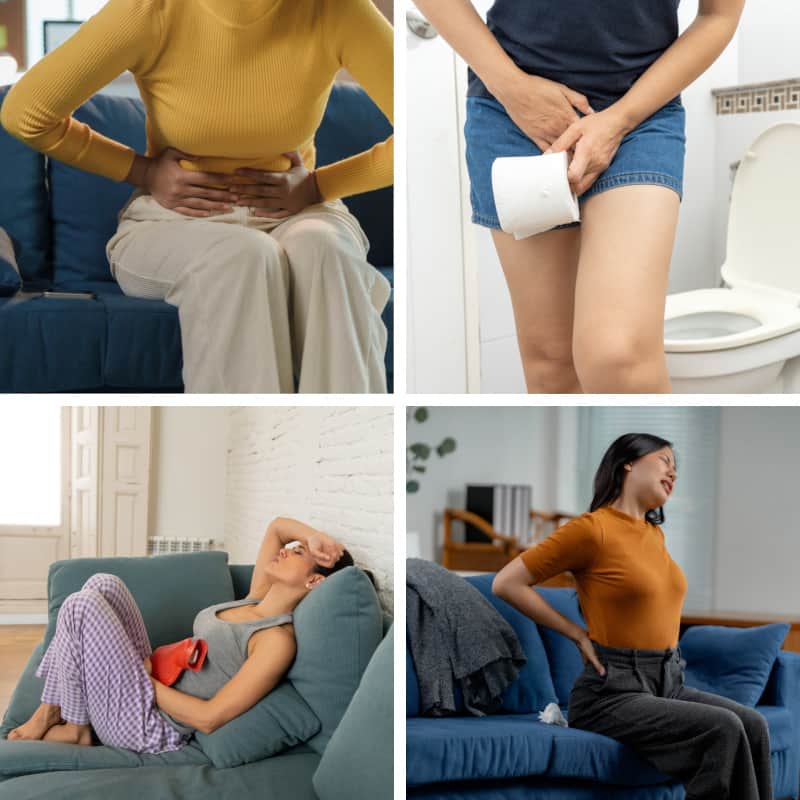
Painful urination with pelvic cramping between periods can happen when the bladder, ureters, uterus, pelvic floor, or nerves are being irritated—sometimes in a way that still follows a subtle cycle pattern even if you’re not actively bleeding. Endometriosis can contribute by affecting the bladder wall or tissues around the bladder and ureters, and symptoms don’t have to include visible blood in the urine. Importantly, urinary tract endometriosis isn’t always “obviously urinary,” and ureter involvement can be quiet while still significant, which is why we take these symptoms seriously.
These symptoms can also come from conditions that overlap with (or mimic) endometriosis, such as bladder pain syndrome/interstitial cystitis, pelvic floor overactivity, adenomyosis-related uterine cramping, or other pelvic pain drivers. In our evaluation process, we focus on your full flare pattern—what triggers it, how it relates to your cycle, and whether urine tests have been repeatedly negative—then use targeted exam and the right imaging (often expertly interpreted ultrasound and/or MRI) to map what’s actually going on.
If you’re noticing recurring burning with urination, pressure, cramping, or symptoms that predictably flare mid-cycle or before your period, that pattern is useful diagnostic information—not something to dismiss. You can explore our urinary symptom and diagnostic evaluation resources to see how we approach “UTI-like” symptoms with negative cultures, and you’re welcome to reach out to schedule a consultation so our team can help you sort out whether this is bladder/ureter endometriosis, a look-alike condition, or a combination.
Which adenomyosis symptoms most affect daily life?
Adenomyosis symptoms that most disrupt quality of life usually come from two main issues: how the uterus bleeds and how it hurts. Many patients describe heavy or prolonged periods that interfere with work, school, travel, and sleep—sometimes with flooding, frequent pad/tampon changes, and fatigue that can follow significant blood loss. Severe period pain (often more than “normal cramps”) is also common, and it can feel deep, aching, or pressure-like, sometimes accompanied by an enlarged, tender uterus and a sense of pelvic heaviness or bloating.
Outside of the period itself, adenomyosis can contribute to chronic pelvic pain, pain with sex for some people, and bowel or bladder discomfort—especially when symptoms flare around the menstrual cycle. It can also overlap with endometriosis, and when both are present symptoms may intensify or become harder to tease apart. If your day-to-day life is being shaped by bleeding, pain, pressure, or fertility stress, our team can help you sort out whether adenomyosis, endometriosis, fibroids, or more than one condition may be driving the pattern—and what next-step options make sense for your goals.
Why do I look pregnant from bloating with constant pelvic pressure?
Feeling so bloated you “look pregnant” along with constant pelvic pressure usually points to more than simple gas—often it’s a pelvic condition creating inflammation, swelling, or a sense of bulk. Endometriosis can irritate the bowel and pelvic lining, trigger scarring that tethers organs, and create the classic “endo belly” sensation that comes and goes (sometimes not perfectly cyclical). Pelvic pressure can also happen when endometriosis involves deeper tissues or nearby organs like the bladder, ureters, or rectum.
Just as important: these symptoms can be driven by endometriosis neighbors or coexisting conditions, especially adenomyosis and fibroids, which can make the uterus feel heavy, full, or “bulky” and add pressure on the bladder and bowel. Ovarian cysts and other benign pelvic findings can contribute, and IBS-like bowel sensitivity can overlap so closely that symptoms alone don’t reliably sort out what’s causing what. Our team focuses on mapping the full picture—uterus, ovaries, bowel, bladder, and pelvic support structures—so treatment targets the true driver(s), not just the most obvious diagnosis.
If this pressure/bloating is persistent, worsening, or changing your ability to eat, move your bowels, or urinate comfortably, it’s a strong reason to pursue a deeper evaluation rather than being told it’s “normal.” You can explore our educational content on bowel symptoms, bladder symptoms, and overlapping conditions, and reach out to schedule a consultation so we can review your history, imaging, and symptom pattern and outline a plan aimed at lasting relief.
Why do I get low back and leg pain during my period?
Low back and leg pain that predictably flares with your period can happen when pelvic inflammation irritates pain pathways that “refer” into the back, hips, buttocks, and down the leg. In some patients, endometriosis can be part of that story—either indirectly (pelvic inflammation and scarring increasing pressure and sensitivity around nearby nerves) or more directly if disease is affecting areas close to major nerves.
When period-related leg pain resembles sciatica—deep buttock pain, tingling, burning, or pain radiating down the back of the thigh—it raises the possibility of endometriosis-related sciatic irritation or pelvic floor involvement (often described as piriformis-type pressure on the nerve). These symptoms may start before bleeding, peak during the period, and linger afterward, and in more significant cases can be associated with weakness or changes in walking.
Because back and leg pain can also come from the spine, hips, or muscles, the key is the pattern and the full symptom “constellation,” including pelvic pain, bowel/bladder symptoms, or pain with sex. Our team can help you sort out whether your pain fits an endometriosis/adenomyosis pattern and, if needed, plan next-step evaluation such as targeted imaging and a strategy focused on lasting relief rather than temporary suppression.
How rare is endosalpingiosis?
Endosalpingiosis is generally considered uncommon, but “how rare” it is depends heavily on who’s being studied and how it’s found. Many cases are discovered incidentally on pathology—meaning tissue is identified under the microscope after surgery done for other reasons—so it’s likely underrecognized in the general population. In other settings (like surgical cohorts), it may appear more often simply because more tissue is being sampled and examined carefully.
What matters most for patients is that endosalpingiosis can be confused with endometriosis on imaging or even at surgery, yet it doesn’t always behave the same way clinically. If you’ve been told you have endosalpingiosis and you also have pelvic pain, bowel/bladder symptoms, or fertility concerns, our team can help interpret what that finding means in the context of your symptoms and operative/pathology reports. You’re welcome to explore our educational content on related endometriosis and uterine conditions, and reach out to schedule a consultation if you want a personalized plan.
Can endometriosis cause a painful bump near the anus?
Yes. Endometriosis can contribute to pain and pressure around the rectum and anal area, especially when disease involves the rectum/rectosigmoid region or nearby tissues. Many patients describe deep pain with bowel movements, rectal pressure, or symptoms that flare around their cycle, and those patterns can fit bowel or deep infiltrating endometriosis.
That said, a sensitive bump on the anus itself is more often something else (like a hemorrhoid, fissure, skin infection/abscess, or another localized anal/skin condition). In some cases, pelvic disease can coexist with these issues, which is why we don’t assume every finding is endometriosis—or dismiss it as “nothing.”
If you’re noticing a new, persistent, or worsening bump—especially if it’s very tender, draining, bleeding, or associated with fever—we want to evaluate the full picture. Our team can sort out whether your symptoms point toward bowel endometriosis, a separate anorectal condition, or both, and plan next steps such as a focused exam and, when appropriate, expertly interpreted imaging to map possible deep disease.