

Diagnosis
When is laparoscopy recommended to diagnose endometriosis?
The short answer
Laparoscopy is most often recommended when symptoms strongly suggest endometriosis but non-surgical evaluation hasn’t given clear answers, or when significant symptoms call for treatment. It is most valuable with a plan to map disease, remove it when found, and take biopsies.
Medically reviewed by Dr. Steven Vasilev, MD
Board-Certified Gynecologic Oncologist & Integrative Medicine Diplomate, Advanced Robotic Endometriosis Excision Surgeon, Director of Lotus Endometriosis Institute · Updated Oct 2026
Laparoscopy is most often recommended when your symptoms strongly suggest endometriosis but non-surgical evaluation hasn’t given clear answers, or when your symptoms are significant enough that you need effective treatment as well as a diagnosis. Imaging and exams can be helpful (especially with expert interpretation), but they can also miss endometriosis, particularly subtle, atypical, or deeper disease.
In our practice, laparoscopy is most valuable when it’s done with a plan: careful mapping of suspected areas, excision of disease when found, and biopsy to confirm the diagnosis and rule out look-alike conditions. A visual impression alone isn’t always definitive, and biopsies can be falsely negative if sampling is superficial or misses tiny foci, so surgeon experience and technique matter.
If you’ve had persistent symptoms despite prior treatment, prior surgery with incomplete relief, or concerns about complex or deep disease, reach out so our team can review your records and help you understand whether surgery is likely to help and what it might involve.
Where to go from here
Understand it, compare it with what you're feeling, then talk it through with us.
Understand
Understand the condition
Compare
Symptoms it can relate to
Speak with Us
Unsure About Your Symptoms?
If imaging hasn’t clarified your pain, our specialists can perform targeted laparoscopic evaluations to diagnose and treat endometriosis accurately. We’re here to guide you toward effective relief and answers.
Questions people ask next
All diagnosis questionsHow is endometriosis diagnosed, and do I need surgery?
Endometriosis diagnosis starts with symptoms, a pelvic exam, and expert imaging; surgery is not automatically required to begin care. Laparoscopy with biopsy remains the gold standard for definitive diagnosis and can allow treatment at the same time.
What are the main risks of laparoscopy, and how are they minimized?
Complications from laparoscopy are uncommon but can include bleeding, infection, blood clots, anesthesia risks, and injury to nearby organs or blood vessels. Careful planning, meticulous surgical technique, the right team, and close follow-up help minimize risk.
Is robotic surgery safe?
Yes, robot-assisted surgery is considered safe when performed by an experienced surgical team. The robot does not operate independently; your surgeon fully controls every movement in real time. It may help improve precision in complex pelvic surgery.
How long is recovery after endometriosis excision surgery?
Most patients can do light, gentle activities within a few days after endometriosis excision surgery. Many people can return to typical day-to-day routines over the next several weeks, depending on the extent and locations of disease treated and their work.
Further reading
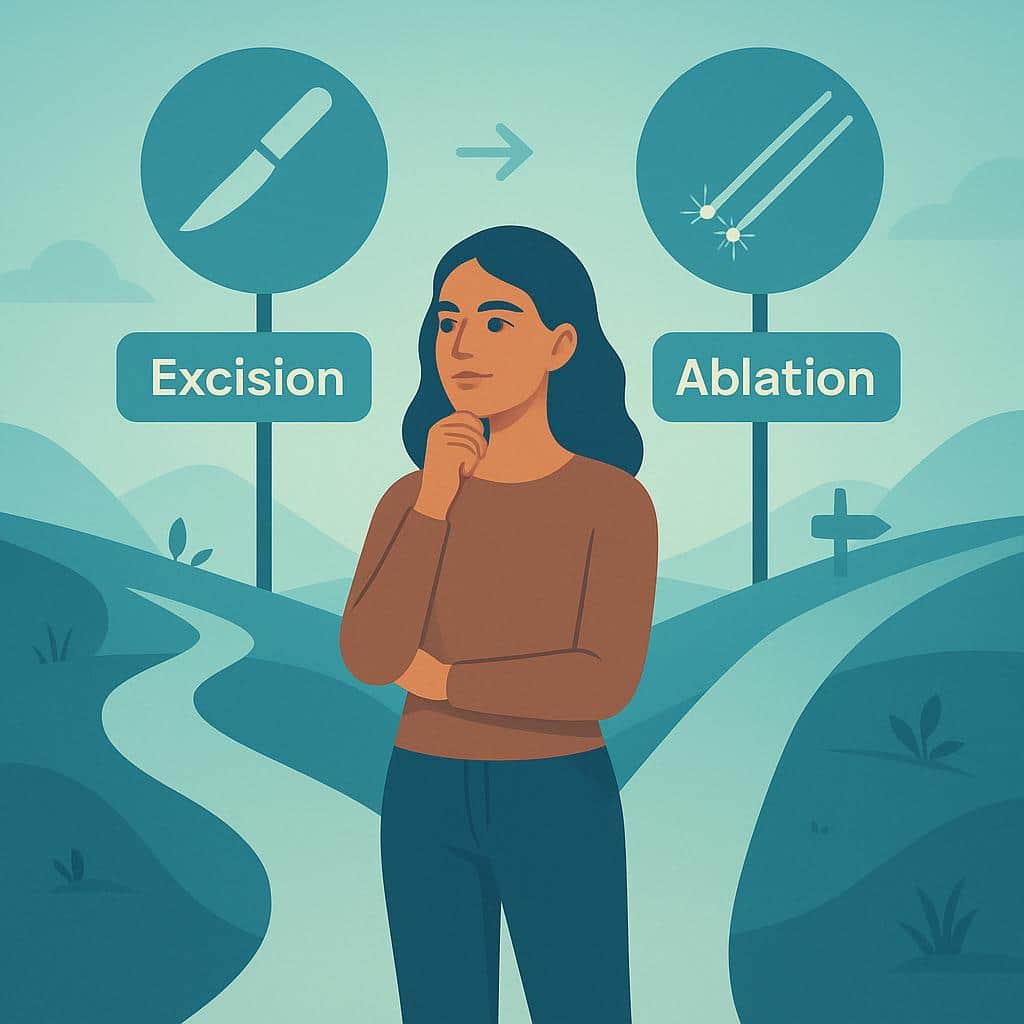
Excision vs Ablation: Understanding Endometriosis Surgery Options
Explore excision vs ablation for endometriosis. Learn about surgery options, pain relief, and making informed choices based on your fertility goals.
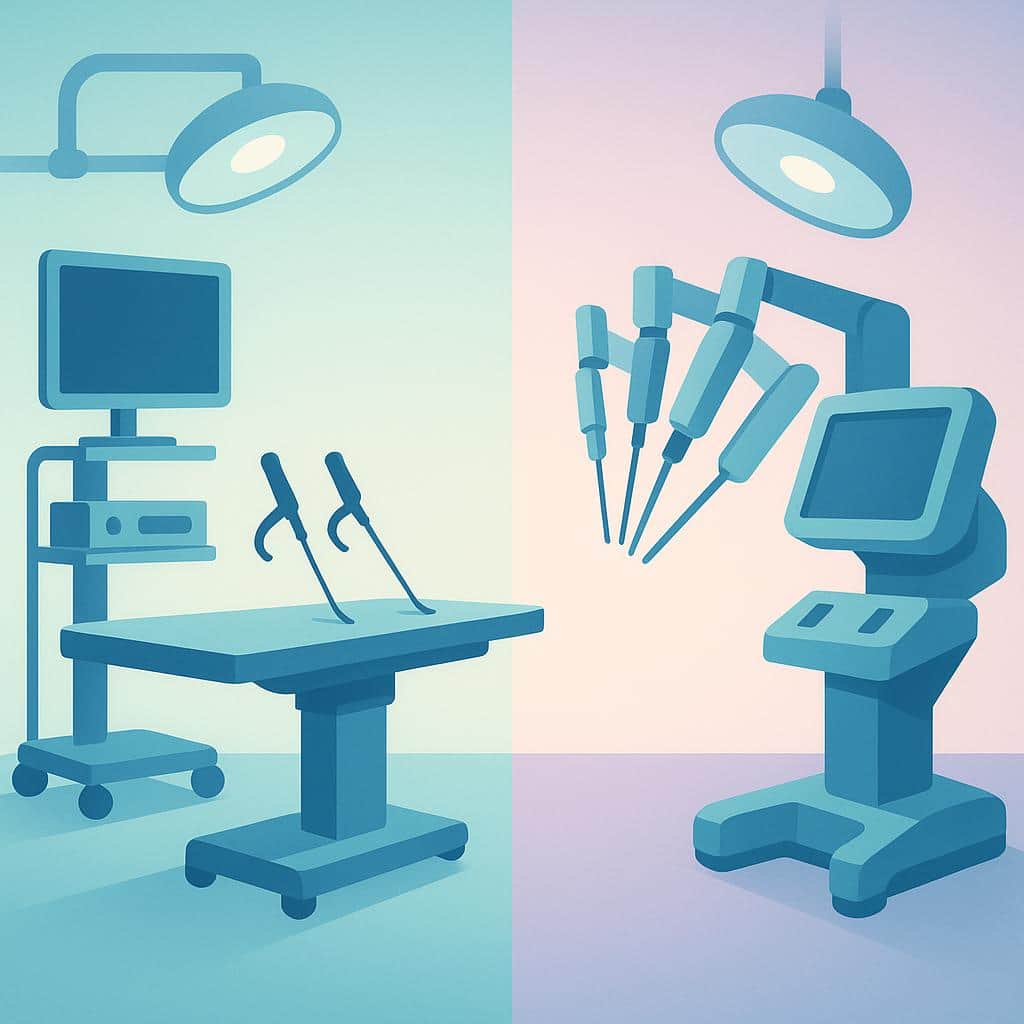
Conventional Laparoscopy vs Robotic Surgery for Endometriosis and Adenomyosis: What Patients Need to Know
Comparing safety, effectiveness, and recovery: a patient-friendly overview of different surgery approaches and what they can mean for your treatment.
What to Expect Before, During, and After Endometriosis Surgery
Discover what to expect before, during, and after endometriosis surgery. Insights on pain relief, preparation, recovery from reliable recent research.