

Beyond the Abdomen: Endometriosis in the Diaphragm and Nerves
Discover rare symptoms of endometriosis involving the diaphragm and nerves. Understand the importance of accurate diagnosis and emerging research.
9 minute read
Read moreYour options, your surgeon, and how to begin, on one page.
See the overview
Explore all our service offerings from one place.
Browse services
Search expert-written answers, browse by topic, or find information based on where you are in your journey.
Explore All KnowledgeThoracic Endometriosis Syndrome is a rare form of endometriosis affecting the chest, often causing cyclical chest pain, shortness of breath, or lung collapse that coincides with the menstrual cycle.
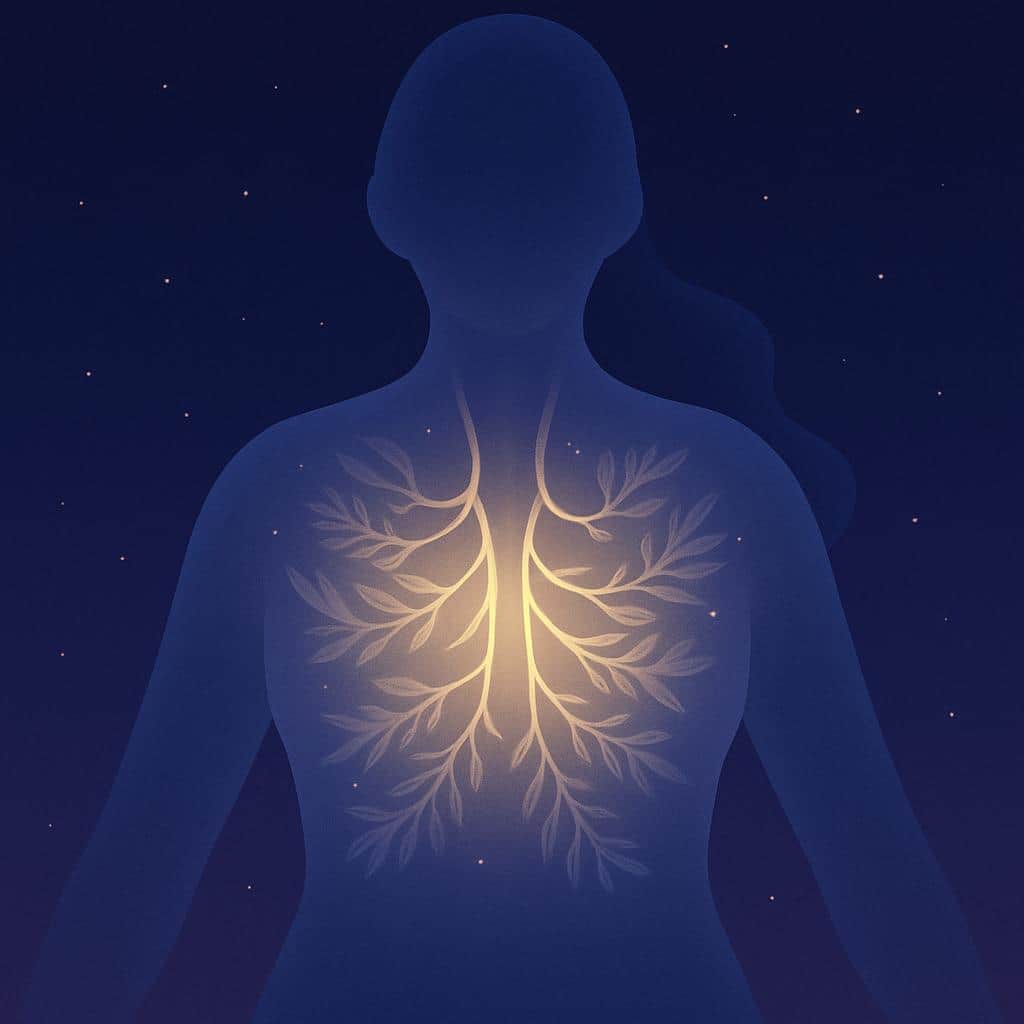
Thoracic Endometriosis Syndrome (TES) is a rare and often underdiagnosed form of extra-pelvic endometriosis in which endometrial-like tissue is found within the chest cavity. Unlike typical endometriosis, TES involves structures such as the lungs, pleura (the lining around the lungs), chest wall, or the upper surface of the diaphragm.
Symptoms of TES are frequently cyclical, meaning they worsen during or around menstruation. Common presentations include chest pain, shoulder pain, shortness of breath, or recurrent lung collapse during periods (known as catamenial pneumothorax). Less commonly, patients may experience coughing up blood or fluid around the lungs. Additionally, because these symptoms mimic more common pulmonary or cardiac conditions, many patients go years without an accurate diagnosis.
TES is most often right-sided and is thought to be related to diaphragmatic endometriosis. One prevailing theory suggests that endometriosis lesions on the diaphragm may allow tissue to migrate into the chest through microscopic defects. However, not all patients with thoracic disease have known diaphragmatic involvement, and the exact mechanisms remain an area of ongoing research.
Diagnosis is challenging. Standard imaging such as CT scans or MRIs may appear normal, especially when performed outside of menstruation. As a result, TES is frequently diagnosed only after repeated unexplained symptoms or during surgery. When surgery is required, treatment typically involves a multidisciplinary approach, combining advanced gynecologic surgery with thoracic surgical expertise to safely remove disease and reduce recurrence risk. Because TES can involve critical respiratory structures, appropriate recognition and referral to experienced specialists is essential for both safety and long-term outcomes.
Yes, endometriosis can occur in the brain, but brain involvement is extremely rare. Sometimes neurologic symptoms that flare with your cycle are related to endometriosis affecting nerves or areas in the abdomen or chest rather than the brain itself.
Diaphragmatic endometriosis is frequently missed before surgery because standard exams and imaging focus on the pelvis, and some lesions are hard to see. Surgery allows direct inspection of the diaphragm, which can reveal implants that scans miss.
Yes, endometriosis can cause breathing problems when it involves the diaphragm, the lining around the lungs, or, more rarely, the lungs themselves. Symptoms that flare before or during your period and ease afterward suggest a possible connection.
Extra-pelvic endometriosis is uncommon overall, and disease in distant areas such as the chest or lungs is considered rare. In the vast majority of people, it stays in the pelvis; when it extends beyond that, it more often appears higher in the abdomen, such as on the bowel or diaphragm.
Discover rare symptoms of endometriosis involving the diaphragm and nerves. Understand the importance of accurate diagnosis and emerging research.

Discover the rare thoracic endometriosis syndrome (TES), its symptoms, and effective treatment options for lung-related endometriosis.

Chest pain or shortness of breath during your period? Thoracic Endometriosis Syndrome is a rare but serious condition often missed for years. Learn the signs.
Lotus Endometriosis Institute provides California-based surgical evaluation and advanced excision care for patients with suspected endometriosis, adenomyosis, complex pelvic pain, and related conditions.
Many patients contact us from outside California to learn whether traveling for in-person evaluation and possible surgery may be appropriate.
2121 Santa Monica Blvd, Santa Monica, CA 90404
8am - 5pm
Monday - Friday
154 Traffic Way, Arroyo Grande, CA 93420