
Can Endometriosis Cause Weight Gain?
Explore how endometriosis may contribute to body changes like bloating and weight gain. Learn more about the latest research and expert insights.
8 minute read
Read moreYour options, your surgeon, and how to begin, on one page.
See the overview
Explore all our service offerings from one place.
Browse services
Search expert-written answers, browse by topic, or find information based on where you are in your journey.
Explore All KnowledgeEvidence-based guidance on eating for endometriosis—optimize gut health, reduce inflammation, and plan nourishing meals. Find practical tips, meal guides, and science-backed strategies to help manage symptoms and support energy.
Nutrition plays an important role in managing inflammation, gut function, hormonal balance, and energy regulation—all key systems affected by endometriosis. Dietary patterns that emphasize whole foods, anti-inflammatory nutrients, and balanced blood sugar can help reduce flare intensity and improve overall resilience. The Anti-Inflammatory Diet offers a structured way to lower inflammatory cytokines that contribute to pelvic pain, while strategies from Gut Health support the microbiome and estrogen metabolism, two pathways closely linked to symptoms.
Many people also benefit from personalized adjustments such as identifying food triggers, increasing fiber for bowel regularity, prioritizing omega-3 fats, and moderating ultra-processed foods. Practical tools like Meal Guides help translate these principles into everyday habits, whether managing flare days, preparing for surgery, or supporting long-term wellbeing.
Nutrition cannot cure endometriosis, but it can meaningfully influence inflammation, digestive comfort, pain levels, and day-to-day energy—making it a foundational part of a comprehensive approach to symptom control.
Diet can be a meaningful part of endometriosis symptom support, but research does not yet support a single, universally proven endometriosis diet. In our experience, nutrition tends to be most helpful when tailored to your symptoms, especially bloating or bowel symptoms.
Yes, certain foods can worsen endometriosis symptoms for some people, but there is no universal endometriosis diet. Eating patterns that increase inflammation or trigger gut symptoms can amplify pain, bloating, and fatigue.
Yes, endometriosis can make weight loss feel harder, though it is not proven to directly cause fat gain. Bloating and fluid shifts can affect the scale, while pain, fatigue and sleep disruption can reduce activity and indirectly affect weight over time.
Yes, alcohol and caffeine may matter for some people, but they’re unlikely to be the main driver of endometriosis-related infertility on their own. Some patients notice improvement when they reduce or eliminate them, while others see no meaningful change.
Explore how endometriosis may contribute to body changes like bloating and weight gain. Learn more about the latest research and expert insights.

Can diet help endometriosis or adenomyosis? Explore practical food choices, symptom tracking, fertility evidence, and what remains unproven.
How the gut microbiome may influence fertility in endometriosis and adenomyosis: the evidence, its limits, and practical steps on diet and preconception.
Can mast cell activation syndrome and endometriosis be linked? Explore overlapping symptoms, treatment options, and considerations for excision surgery.
How epigenetic mechanisms and DNA methylation shape endometriosis, how your diet may modulate them, and the implications on your endometriosis care.
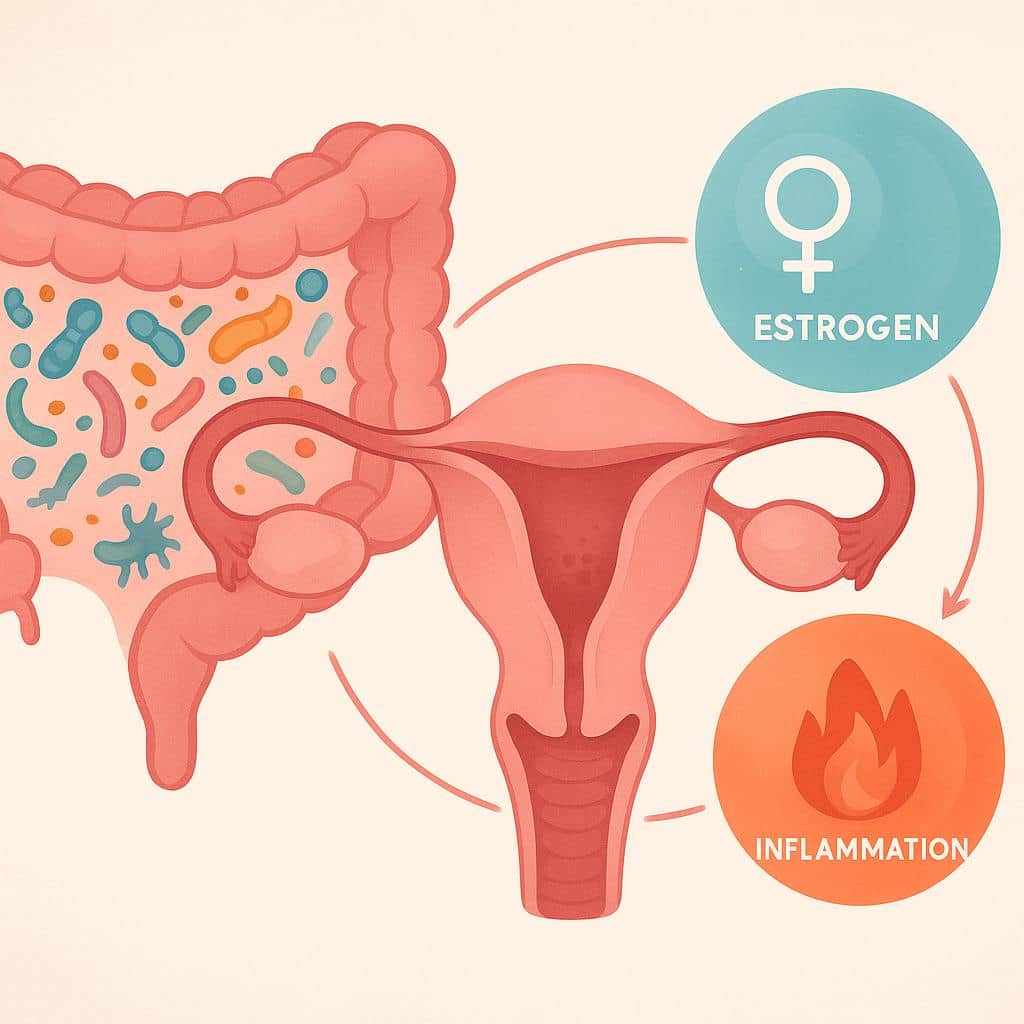
Explore how the microbiome may shape inflammation and estrogen metabolism in endometriosis, and what emerging research means for diagnosis and new therapies.
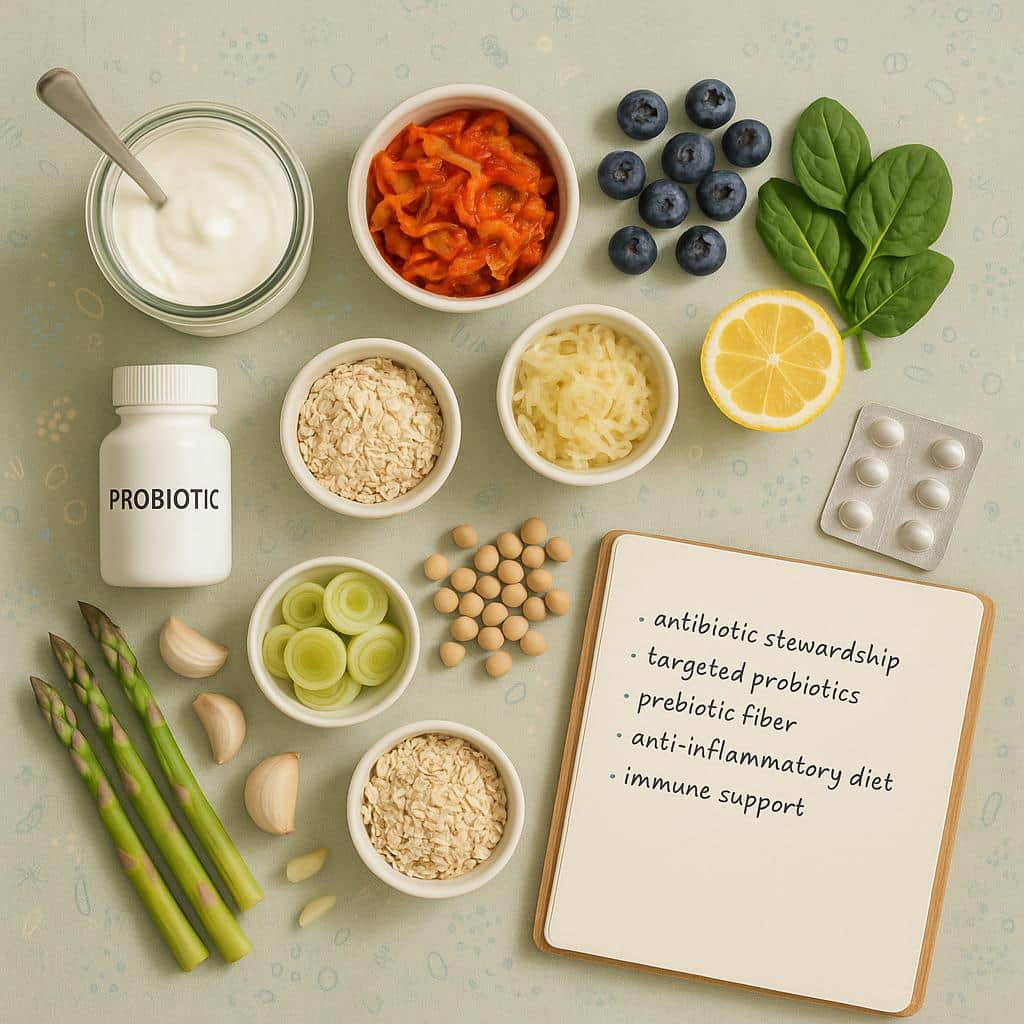
Learn how antibiotics, probiotics, prebiotics, diet and immunomodulation affect the endometriosis–gut axis, with practical, research-backed microbiome tips.
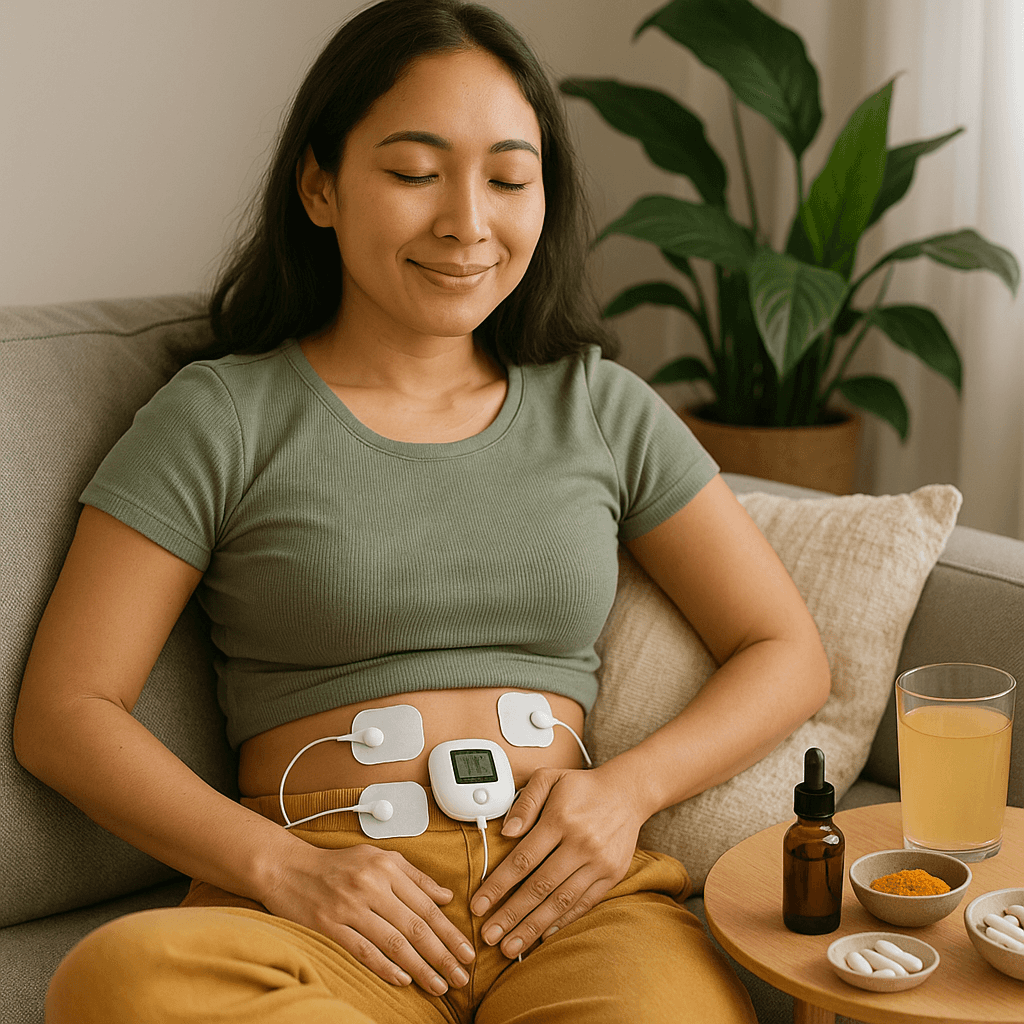
Learn how TENS, diet changes, CBD, turmeric, meditation, yoga, and acupuncture can complement care and help relieve pelvic pain from endometriosis.

Your guide to endometriosis surgery recovery: healing tips, nutrition, mental health support, recurrence prevention, and planning for long-term wellness.
Lotus Endometriosis Institute provides California-based surgical evaluation and advanced excision care for patients with suspected endometriosis, adenomyosis, complex pelvic pain, and related conditions.
Many patients contact us from outside California to learn whether traveling for in-person evaluation and possible surgery may be appropriate.
2121 Santa Monica Blvd, Santa Monica, CA 90404
8am - 5pm
Monday - Friday
154 Traffic Way, Arroyo Grande, CA 93420