

General
Does HRT raise cancer risk after endometriosis?
The short answer
Research on whether HRT raises cancer risk after endometriosis is limited. Endometriosis is associated with a slightly higher lifetime risk of certain ovarian cancers, but the overall risk for most people remains low. HRT decisions are usually individualized.
Endometriosis is associated with a slightly higher lifetime risk of certain ovarian cancers, but the overall (absolute) risk for most people remains low. Research on menopause hormone therapy in people with prior endometriosis is limited, so decisions are usually individualized based on your symptoms, history, and whether you still have a uterus.
In general, if hormone therapy is used and the uterus is present, combined therapy (estrogen with a progestogen) is often preferred over estrogen-only approaches to help balance benefits and risk. We also take any new or changing symptoms seriously, especially postmenopausal bleeding, persistent bloating, or progressively worsening pelvic pain, and use them as cues to evaluate promptly rather than wait and see. If you have a strong family history of cancer or a known genetic mutation, we recommend scheduling a consultation with our team so we can tailor a plan that prioritizes both symptom relief and long-term safety.
Where to go from here
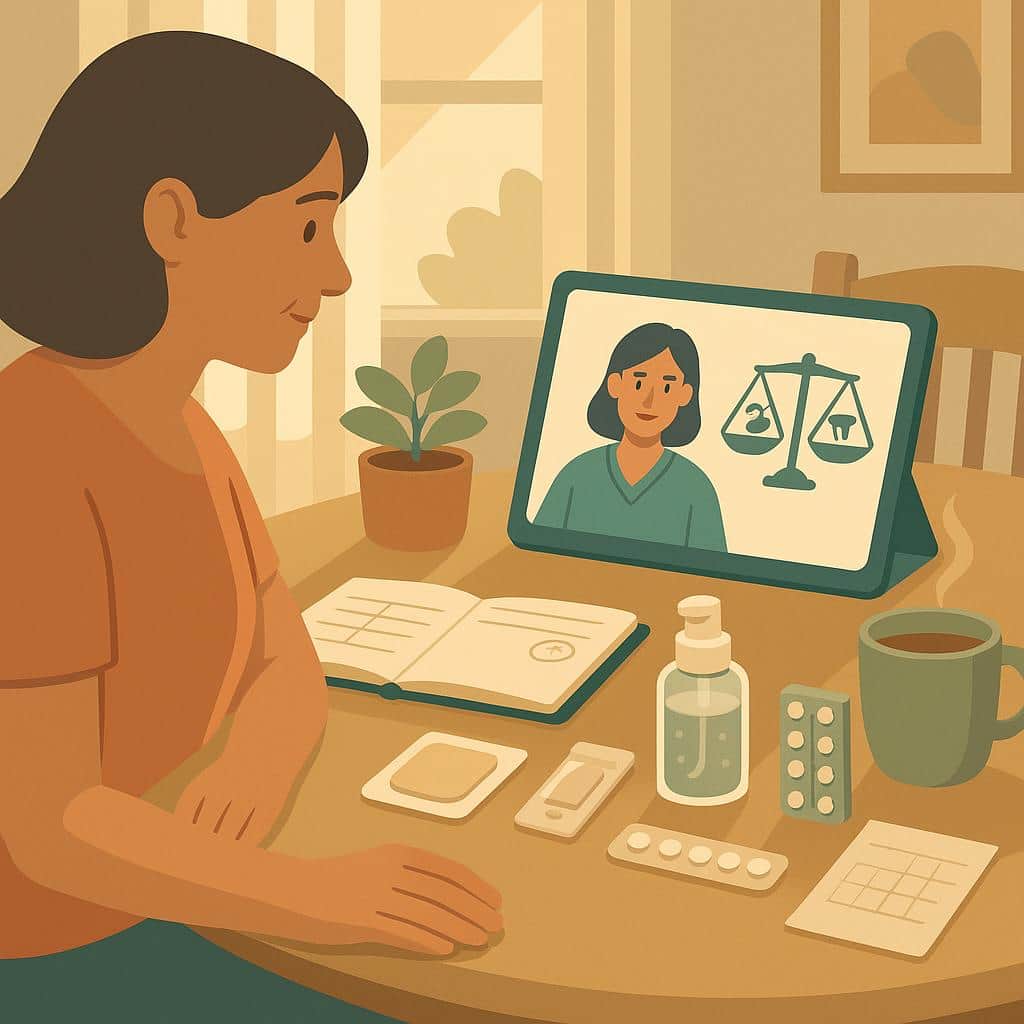
Understand it, compare it with what you're feeling, then talk it through with us.
Speak with Us
Worried About HRT Risks?
We understand your concerns about hormone therapy after endometriosis. Our specialists personalize care to balance treatment benefits with your unique health history.
Questions people ask next
All general questionsDoes endometriosis increase cancer risk?
Yes, endometriosis is associated with increased ovarian cancer risk, especially clear cell and endometrioid types. The increase is relative to people without endometriosis; absolute risk remains low, and most people with endometriosis never develop cancer.
Does endometriosis go away after menopause?
Endometriosis does not always go away after menopause. Many people notice improvement as ovarian estrogen falls, but endometriosis can persist, and in some cases symptoms can begin around menopause or after periods stop. Hormone therapy can sometimes reactivate symptoms.
When can I start HRT after surgical menopause?
If endometriosis was thoroughly treated during surgery, we often consider starting HRT right away or within the first few weeks after surgical menopause. Timing depends on your surgical findings, any endometriosis left behind, and your individual risk factors and goals.
Further reading
Managing Menopause With Endometriosis and HRT
How to use HRT safely with endometriosis: recurrence and malignancy risks, when to start after surgical menopause, and hormone vs non-hormone treatment options.
Can Endometriosis Cause Cancer?
Can endometriosis cause cancer? Learn why the ovarian cancer link rarely means transformation, and what changing symptoms or cyst findings may warrant review.
Postmenopausal Endometriosis: Risks and Key Insights
Learn about postmenopausal endometriosis: who is at risk, diagnosis and treatment basics, and why malignant transformation is rare but worth knowing.