Symptoms
How does pelvic floor physical therapy help endometriosis pain?
The short answer
Pelvic floor physical therapy can reduce endometriosis pain by helping overactive muscles relax and coordinate. Targeted techniques address trigger points, tissue restrictions, and nerve sensitivity, complementing surgery or medical treatment rather than replacing them.
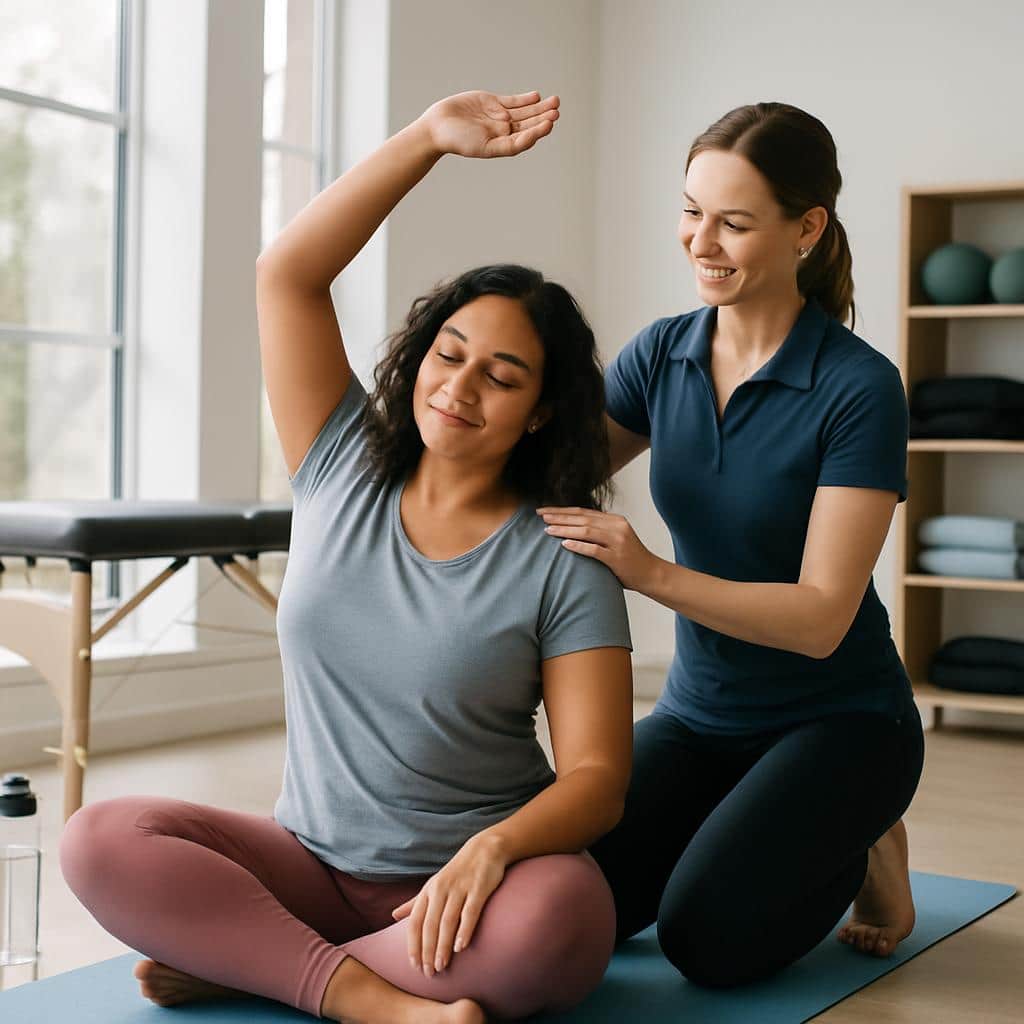
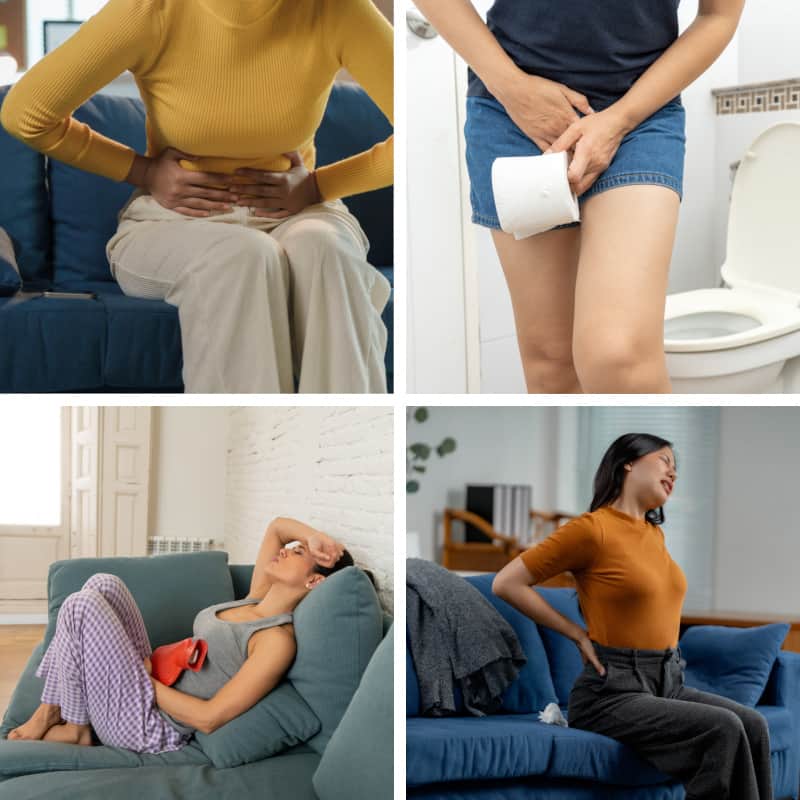
Endometriosis and adenomyosis can lead to protective muscle guarding, creating an overactive or hypertonic pelvic floor and painful trigger points; pelvic floor physical therapy helps these muscles relax and coordinate again. This can ease tension-related pelvic, vaginal, rectal, tailbone, hip, and low back pain, and may help referred leg pain when pelvic muscle tension contributes.
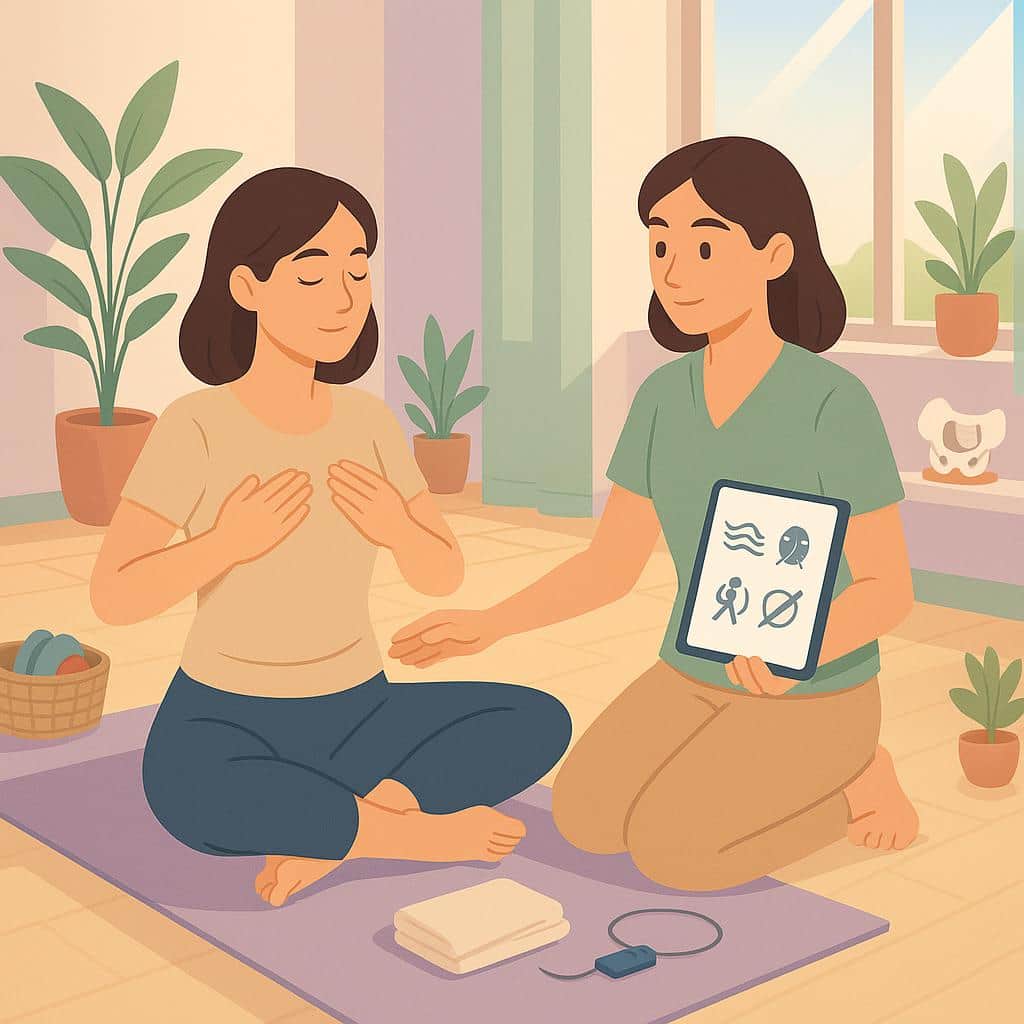
Therapists use gentle, targeted hands-on techniques, including massage and myofascial release, to address trigger points and connective tissue restrictions, improve tissue mobility, and help desensitize irritated nerves, sometimes supported by biofeedback for awareness and control. Therapy goes beyond Kegels, often emphasizing down-training overactive muscles and retraining breathing, posture, movement, and hip and core mechanics that may reinforce guarding.
Improved coordination helps the pelvic floor relax and engage at the right times, which may make sitting, urinating, bowel movements, and intercourse less painful and reduce urinary urgency or frequency. For persistent pain or cycle-related flares, therapy may also include strategies to reduce nervous system pain amplification and improve tolerance for daily activity.
We recommend pelvic floor therapy as a complement to excision surgery or medical management, not a replacement, because muscle and nerve pain can persist even while the underlying disease is treated. If you’re wondering whether pelvic floor dysfunction contributes to your symptoms, you’re welcome to contact us for a consultation with our team to explore how therapy might fit your goals and overall endometriosis care plan.
Where to go from here
Understand it, compare it with what you're feeling, then talk it through with us.
Understand
Understand the condition
Compare
Symptoms it can relate to
Speak with Us
Relieve Pain with Pelvic Floor Therapy
Our specialists use targeted physical therapy to relax overactive pelvic muscles and reduce pain caused by endometriosis. Let us help you find lasting relief from pelvic, vaginal, and back pain linked to muscle tension.
Questions people ask next
All symptoms questionsWhat is pelvic floor physical therapy like, and will it hurt?
Pelvic floor physical therapy usually starts with a conversation and a gentle assessment, and it should not feel like a painful exam. Treatment may include hands-on muscle release and retraining. Some people feel temporary soreness or a brief increase in symptoms afterward.
What if I’ve already tried pelvic floor physical therapy?
If pelvic floor PT didn’t help or made symptoms worse, it doesn’t necessarily mean pelvic floor work isn’t a fit. The approach may not have been tailored to endometriosis-related pain patterns, and a different, individualized approach could be worthwhile.
Can pelvic floor PT help bladder urgency or bowel symptoms?
Yes, pelvic floor physical therapy can be very helpful for bladder urgency and certain bowel symptoms, especially when muscles are overactive or uncoordinated. Therapy can teach bladder retraining, relaxation, and coordination to ease emptying and reduce straining.
Can diet cure endometriosis?
Diet can’t cure endometriosis or remove lesions, but it may help manage symptoms. Nutrition, supplements, acupuncture, and pelvic floor physical therapy can support relief from pain, digestive upset, and other symptoms alongside a tailored treatment plan.
Further reading
Can Physical Therapy Help Endometriosis Pain?
Discover how physical therapy can alleviate endometriosis pain, improve quality of life, and support pain management strategies.
Can Physical Rehab Reduce Endo and Adeno Pain?
How pelvic rehab and pelvic floor PT can help endometriosis and adenomyosis pain. What it treats best, who benefits, timelines, red flags, and questions to ask.
Pelvic Floor & Myofascial Pain After Endometriosis Surgery
Why Do I Still Hurt series article three about pain post-endometriosis surgery. Learn the basics about myofascial pain and treatment options.