

Can Physical Rehab Reduce Endo and Adeno Pain?
What pelvic floor PT can and can’t do for endo/adeno pain—and how to tell if it’s right for you
When your pelvis hurts, “exercise” can sound insulting
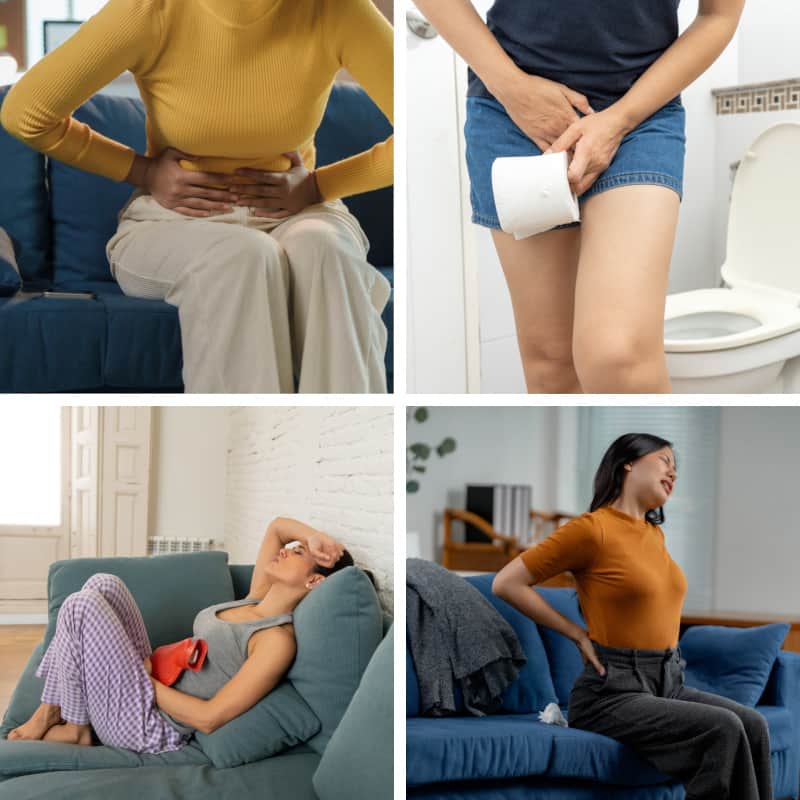
If you live with endometriosis or adenomyosis, you’ve probably been told (directly or indirectly) that your pain is “just cramps,” or that you should “move more.” Meanwhile, you may be dealing with debilitating period pain, pain with sex, bowel/bladder pain, fatigue, and the kind of constant pelvic tension that makes sitting, walking, or working feel impossible.
Here’s the validating part: a growing body of evidence suggests physical rehabilitation—things like pelvic floor physiotherapy, targeted exercise programs, and certain clinic-based modalities—can meaningfully improve pain and quality of life for many people. This isn’t about pushing through pain or doing random workouts. It’s about using the body-focused tools that can calm an overprotective, painful pelvic system and improve function alongside medical care.
A 2025 systematic review and meta-analysis pulled together controlled trials of rehabilitation for endometriosis and adenomyosis symptoms and found overall improvements—especially in pain and quality of life—with benefits described as particularly promising for endometriosis. (More on what that means for adenomyosis in a bit.)
What “physical rehabilitation” means for endo/adeno (in real life)
In this research, physical rehabilitation isn’t one single program. It’s a category that included three broad approaches:
Therapeutic exercise programs. These are typically structured plans (not “just go to the gym”) that can include strength, mobility, gentle aerobic work, posture/hip stability, breathing, and graded activity that respects flare patterns.
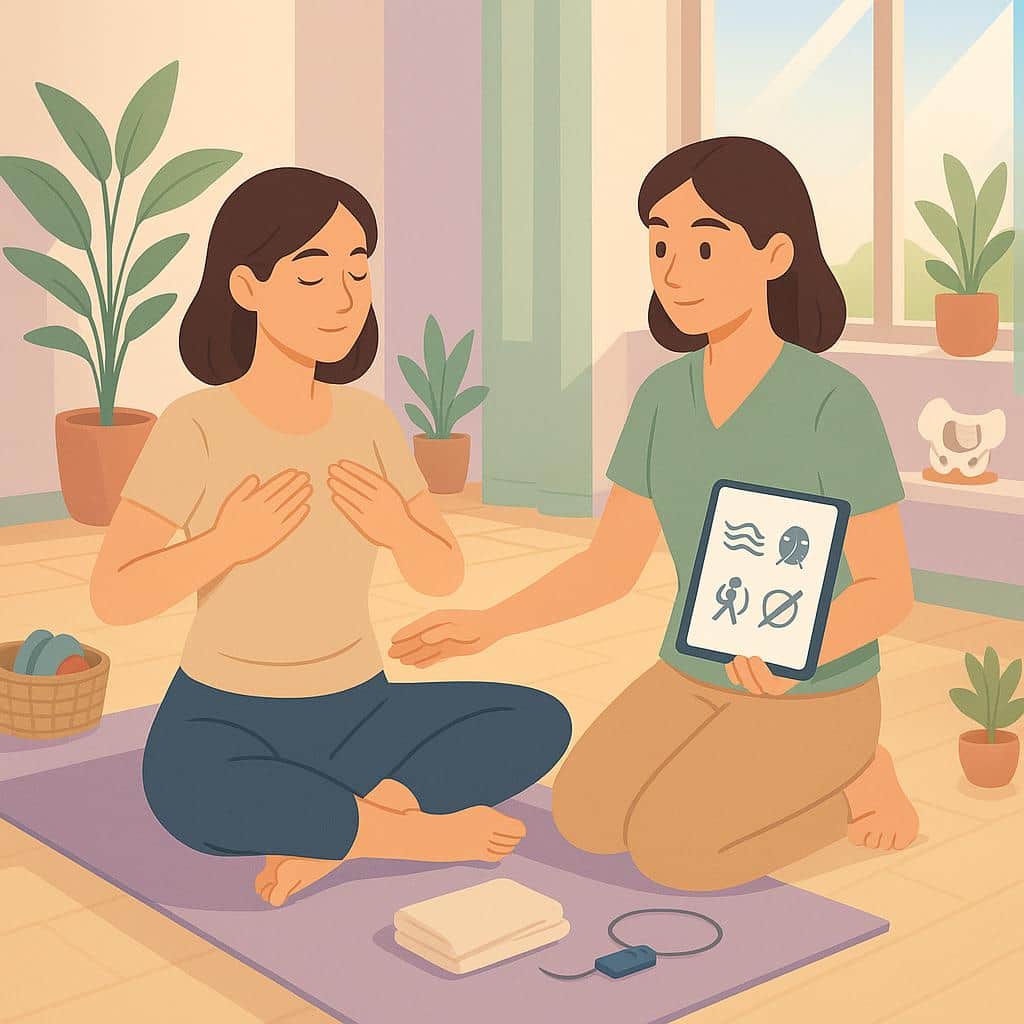
Manual therapy-based approaches. This includes pelvic floor physiotherapy (PFP) and other hands-on care (one example mentioned was Swedish massage). Pelvic floor PT may involve external and/or internal assessment and treatment, education, down-training for overactive pelvic floor muscles, gentle mobility, and strategies to reduce pain with penetration or pelvic exams.
Electrophysical agents. These are clinic-delivered modalities (the review groups them together as “electrophysical agents”) which are drug-free and include modalities like TENS (nerve stimulation), ultrasound, heat/cold packs, laser and red light therapy, and interferential current (IFC). The important takeaway isn’t the device name—it’s that some studies used non-drug physical modalities aimed at reducing pain and improving function.
What matters for you: you don’t have to pick “rehab” instead of hormones/surgery. For many people, rehab is a layer of treatment—especially when pain has started to affect pelvic floor muscles, movement patterns, sex, sleep, mood, and daily function.
What you can realistically expect it to help most
Across the controlled trials included in the review, the most consistent improvements after rehabilitation were in:
- Pain
- Quality of life
- Mental health measures (in some studies)
When the data could be pooled across studies, the meta-analyses favored rehabilitation for pain (11 studies) and quality of life (5 studies). The paper excerpt provided doesn’t include the exact size of benefit (how many points pain dropped, for example), so it’s not responsible to promise “your pain will drop by X.” But the direction is consistent: many patients improve.
A practical way to use this: if your biggest goals are “less pain” and “a more livable day-to-day life,” rehab is one of the non-surgical options with controlled-trial evidence behind it.
What about sex pain, pelvic tightness, and “my whole core feels broken”?
Some trials also looked beyond pain scales and quality-of-life questionnaires, including:
- Lumbopelvic impairments (think: hip/back/pelvic mobility and stability issues that make movement painful or restricted)
- Sexual function
- Bone mineral density (important if you’ve used medications that affect estrogen or if activity has been limited)
This matters because endometriosis and adenomyosis pain often doesn’t stay neatly in the uterus/lesions. Over time, your body can develop protective muscle guarding, altered movement, and fear of triggering flares—none of which are “in your head,” and all of which can be legitimate targets for skilled rehabilitation.
Find Relief with Pelvic Floor Therapy
Our specialists are here to help you understand your condition and explore your treatment options.
Schedule Your VisitEndometriosis vs adenomyosis: set expectations honestly
The review authors describe the benefits as particularly promising for endometriosis. That does not mean rehab can’t help adenomyosis. It means the evidence base may be stronger or more plentiful for endometriosis, and adenomyosis-specific conclusions may be less certain.
If you are suspected to have adenomyosis based on symptoms and imaging, your best move is to bring this up explicitly and ask for a plan that targets your symptom pattern: heavy bleeding and cramping, deep pelvic aching, pain with sex, bladder/bowel symptoms, pelvic floor spasm, back/hip pain, fatigue, and any activity limitations.
Who tends to be a good candidate for rehab?
You may be especially likely to benefit if any of these sound like you: pain with sex or penetration, pelvic exams are intolerable, you feel pelvic tightness/“clenching,” pain spreads into hips/back, sitting is difficult, flares happen with activity, or you’re avoiding movement because it triggers symptoms.
Rehab can also be useful if you’re:
- on hormonal treatment but still symptomatic,
- trying to avoid escalating medication side effects,
- preparing for surgery (prehab) or recovering after surgery (at Lotus we use this routinely)
- dealing with persistent pain even after excision/hysterectomy (which can happen).
How long before you know if it’s working?
Because the review included different types of rehab with different schedules, there isn’t one universal timeline. A practical, patient-centered approach is to agree on a time-limited trial with your provider (often several sessions over weeks) and track a few concrete outcomes: pain severity, flare frequency, ability to sit/walk/work, bowel/bladder comfort, and sexual pain.
If nothing is improving—or if therapy repeatedly triggers significant flares without adjustment—that’s not a sign you “failed rehab.” It’s a sign the plan needs to change (different therapist, different approach, different pacing) or that another layer of treatment is needed.
Practical takeaways: how to talk to your doctor or physiotherapist
Use this as your script—because walking in with clear questions can save months.
- “I want to add physical rehabilitation to my endometriosis/adenomyosis treatment plan. Do you have referrals to pelvic floor physiotherapists who routinely treat pelvic pain?”
- “Given my symptoms (pain with sex / bowel pain / bladder pain / hip-back pain / pelvic tightness), which approach fits best: pelvic floor PT, an exercise-based program, or both?”
- “How will we measure progress? Can we set goals like fewer flares, improved ability to sit/walk, and changes in pain with penetration?”
- “What should I do if sessions trigger a flare—what’s the plan for pacing and symptom-guided progression?”
- “If it looks like I have adenomyosis, what’s your experience using rehab specifically for adeno-related symptoms, and how will we coordinate it with my bleeding/pain management?”
Red flags and “don’t-let-anyone-gaslight-you” signs
Rehab should not be a situation where you’re repeatedly pushed through severe pain. Be cautious if you’re told you must endure high pain to “release” something, or if internal work is done without informed consent, clear explanation, and ongoing permission.
Seek urgent medical care for severe symptoms that could indicate something else (for example: sudden severe abdominal pain, fainting, heavy bleeding you can’t control, fever, or signs of infection). Rehab is supportive care—it doesn’t replace medical evaluation when something feels dangerous.
Reality check: what we still don’t know
This is promising, but it’s not a magic fix. The review included a mix of randomized and controlled non-randomized studies because high-quality RCTs are still limited in this area. Different rehab modalities were grouped under the same umbrella, and they may not work equally well for every symptom profile.
Most importantly: this excerpt doesn’t provide the actual effect sizes, so we can’t translate it into “expected pain reduction” for an individual person. Your outcome will depend on factors like disease burden, bleeding control, pelvic floor tone, nervous system sensitization, prior surgeries, coexisting conditions (IBS, bladder pain syndrome, hypermobility, migraines), and the skill of the provider.
Still, if you’ve felt stuck—especially if medication alone hasn’t given you your life back—adding a rehab layer is a reasonable, evidence-supported next step to discuss.
References
Impact of Physical Rehabilitation on Endometriosis and Adenomyosis-Related Symptoms: A Systematic Review and Meta-Analysis. (2025). DOI: 10.3390/jcm14238284
Quick Answers
When is hysterectomy recommended for adenomyosis?
A hysterectomy is typically considered for adenomyosis when symptoms are severe and clearly uterus-driven—most often heavy bleeding (sometimes with anemia), intense cramping, pelvic pressure, and daily quality-of-life disruption—and you’re not planning future pregnancy. It’s the most definitive option because adenomyosis lives within the uterine muscle, so removing the uterus removes the source of the problem.
In practice, we usually weigh hysterectomy most strongly when conservative options haven’t brought acceptable relief, aren’t tolerated, or don’t fit your goals. The decision also depends on the pattern and extent of disease (diffuse adenomyosis versus a more focal adenomyoma that may be removable while preserving the uterus) and whether endometriosis may also be present. If endometriosis is part of the picture, it’s important to know that hysterectomy alone doesn’t treat disease outside the uterus—durable symptom relief depends on addressing all pain generators.
If you’re wondering whether you’re at the point where hysterectomy makes sense, our team can help clarify what’s most likely driving your symptoms, review imaging, and walk you through uterus-preserving versus definitive surgical paths so you can choose the option that best matches your relief and fertility priorities.
Which adenomyosis symptoms most affect daily life?
Adenomyosis symptoms that most disrupt quality of life usually come from two main issues: how the uterus bleeds and how it hurts. Many patients describe heavy or prolonged periods that interfere with work, school, travel, and sleep—sometimes with flooding, frequent pad/tampon changes, and fatigue that can follow significant blood loss. Severe period pain (often more than “normal cramps”) is also common, and it can feel deep, aching, or pressure-like, sometimes accompanied by an enlarged, tender uterus and a sense of pelvic heaviness or bloating.
Outside of the period itself, adenomyosis can contribute to chronic pelvic pain, pain with sex for some people, and bowel or bladder discomfort—especially when symptoms flare around the menstrual cycle. It can also overlap with endometriosis, and when both are present symptoms may intensify or become harder to tease apart. If your day-to-day life is being shaped by bleeding, pain, pressure, or fertility stress, our team can help you sort out whether adenomyosis, endometriosis, fibroids, or more than one condition may be driving the pattern—and what next-step options make sense for your goals.
Why does ovarian cyst pain keep coming back?
Ovarian cyst pain can feel “recurrent” for a few different reasons. Some cysts are functional (they form with ovulation and then resolve), so the pain returns in a similar spot month after month even though it’s not the exact same cyst. In other cases, the cyst itself can come back or persist—especially if it’s an endometrioma (an ovarian cyst caused by endometriosis), which can behave differently than a simple cyst and may be associated with deeper pelvic disease.
Another common reason is that the cyst isn’t the whole story: endometriosis on the pelvic sidewall, uterosacral ligaments, bowel, bladder, or around the ovary can irritate the same nerves and tissues and make it feel like “my cyst is back” when the driver is actually inflammatory disease nearby. Adhesions (scar-like bands) can also tether the ovary and cause recurring pulling or sharp pain, even when imaging doesn’t show a large cyst. If your pain cycles, escalates, returns quickly after a “normal” ultrasound, or keeps recurring despite prior treatment, our team can help you map the pattern, interpret imaging with an endometriosis lens, and decide whether targeted evaluation and—when appropriate—excision surgery is the next best step.
Why do I have chronic fatigue and pelvic pain?
Chronic fatigue plus pelvic pain often feels “unexplainable” because it’s rarely caused by just one issue—and many of the most common drivers don’t show up on routine labs or a quick ultrasound. Endometriosis and adenomyosis can cause persistent pelvic pain, painful periods, bowel/bladder symptoms, and deep fatigue through inflammation, disrupted sleep, heavy bleeding (and possible iron deficiency), and the sheer energy cost of living with ongoing pain. It’s also common for more than one gynecologic condition to coexist—like fibroids, polyps, or benign cysts—so a single label may not fully match what you’re experiencing.
Another reason symptoms can persist is that the nervous system can become more pain-sensitive over time (often called central sensitization), meaning pain can spread, linger outside your cycle, or feel disproportionate to what imaging shows. In those cases, symptom relief alone can miss the bigger picture: we think in terms of both treating disease (for example, addressing endometriosis lesions or uterine drivers like adenomyosis/fibroids) and building a personalized pain-management plan so your body can “turn down the volume” on pain signals.
If your fatigue and pelvic pain have been brushed off or left without a clear plan, our team can help you sort through the likely contributors, including endometriosis/adenomyosis and common coexisting conditions, and map next steps that fit your goals. You can explore our educational resources on fatigue, chronic pelvic pain, and comprehensive treatment approaches, and reach out to schedule a consultation when you’re ready.
Why does sex hurt more around my period?
Pain with sex that flares around your period often points to a hormonally driven pelvic pain source—meaning tissue and nerves in the pelvis become more inflamed and reactive in the days leading up to bleeding and during menstruation. Endometriosis is a common reason: lesions can irritate nearby nerves and organs, and the inflammatory chemicals they produce can amplify pain signals. Adenomyosis (endometrial-like tissue within the uterine muscle) can also make the uterus unusually tender and crampy, so penetration, orgasm-related uterine contractions, or even pelvic pressure can feel painful around that time.
The “where” and “when” of the pain matters. Deep pain with penetration can be related to endometriosis near the uterosacral ligaments, cervix/vaginal fornix, rectovaginal space, bowel, or bladder—especially if scarring or adhesions have altered how those structures move. Pain after sex or after orgasm can happen when pelvic floor muscles spasm or when uterine contractions tug on sensitized areas. If this pattern is recurring, our team can help map your symptom timing and triggers and evaluate for endometriosis, adenomyosis, pelvic floor dysfunction, and overlapping bladder/bowel involvement so treatment targets the real driver of your pain rather than just masking it.