
General
What does a balanced anti-inflammatory day of eating look like?
The short answer
A balanced anti-inflammatory day usually centers on steady protein, plenty of fiber, and mostly minimally processed foods. Try oatmeal with yogurt and berries, a grain-and-greens bowl with salmon or legumes, and cooked vegetables with fish or tempeh at dinner.
A balanced anti-inflammatory day of eating usually centers on a steady intake of protein, plenty of fiber, and mostly minimally processed foods. For breakfast, we often suggest pairing a high-fiber base like oatmeal with protein such as yogurt or tofu, plus berries and ground flax for added omega-3s and staying power.
At lunch, a simple grain-and-greens bowl works well: combine leafy greens, a whole grain, and a protein like salmon or legumes, then finish with olive oil and a sprinkle of seeds. For dinner, aim for cooked vegetables, a protein such as fatty fish or tempeh, and a whole grain. If you need something between meals, snack on fruit or a handful of nuts to help keep energy and blood sugar more even.
Where to go from here
Understand it, compare it with what you're feeling, then talk it through with us.
Speak with Us
Eat to Ease Your Symptoms
Learn how a balanced anti-inflammatory diet can support your long-term care and manage your symptoms effectively. Our specialists can guide you with personalized nutrition plans tailored to your needs.
Questions people ask next
All general questionsWhat foods help reduce inflammation with endometriosis or adenomyosis?
An anti-inflammatory diet for endometriosis or adenomyosis emphasizes colorful fruits and vegetables, legumes, whole grains, fish, olive oil, nuts, and seeds. What helps varies with your symptoms and digestion, so changes should be individualized.
How can I support gut health without strict elimination diets?
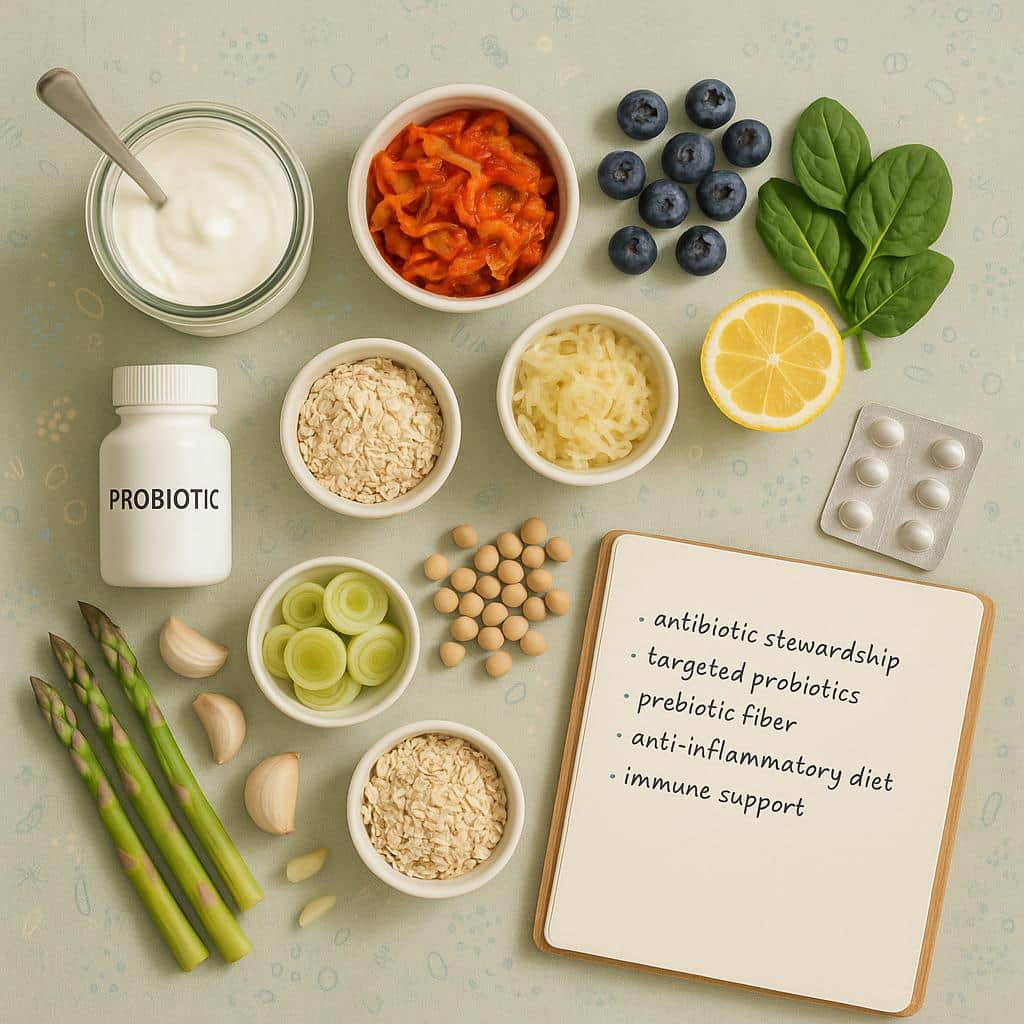
Supporting gut health without strict elimination usually starts with varied fiber-containing foods, regular meals, and good hydration. Make gradual changes one at a time, and include small amounts of gentle fermented foods if you tolerate them.
How can I get enough omega-3s without eating fish?
You can support your omega-3 intake without fish by using plant sources such as ground flax, chia and walnuts consistently day to day. Some people also consider algae-derived EPA/DHA, which provides the same long-chain omega-3s found in fish.
What should I eat during an endometriosis flare-up?
During an endometriosis flare, we generally recommend small, easy-to-digest meals, such as soups, rice, or scrambled eggs. Frequent sips support hydration, while temporarily reducing high-fat meals, raw roughage, or spicy foods may ease gut symptoms.
Further reading
Diet for Endometriosis and Adenomyosis What Research Supports
Can diet help endometriosis or adenomyosis? Explore practical food choices, symptom tracking, fertility evidence, and what remains unproven.
Optimizing the Microbiome to Support Endometriosis Care
Learn how antibiotics, probiotics, prebiotics, diet and immunomodulation affect the endometriosis–gut axis, with practical, research-backed microbiome tips.