
Symptoms
Why is my period pain so severe that it disrupts my daily life?
The short answer
Severe period pain that disrupts daily life may signal endometriosis, adenomyosis, or another underlying cause. Worsening pain, poor relief with NSAIDs and heat, heavy bleeding, or pain between periods warrant evaluation, even when imaging looks normal.
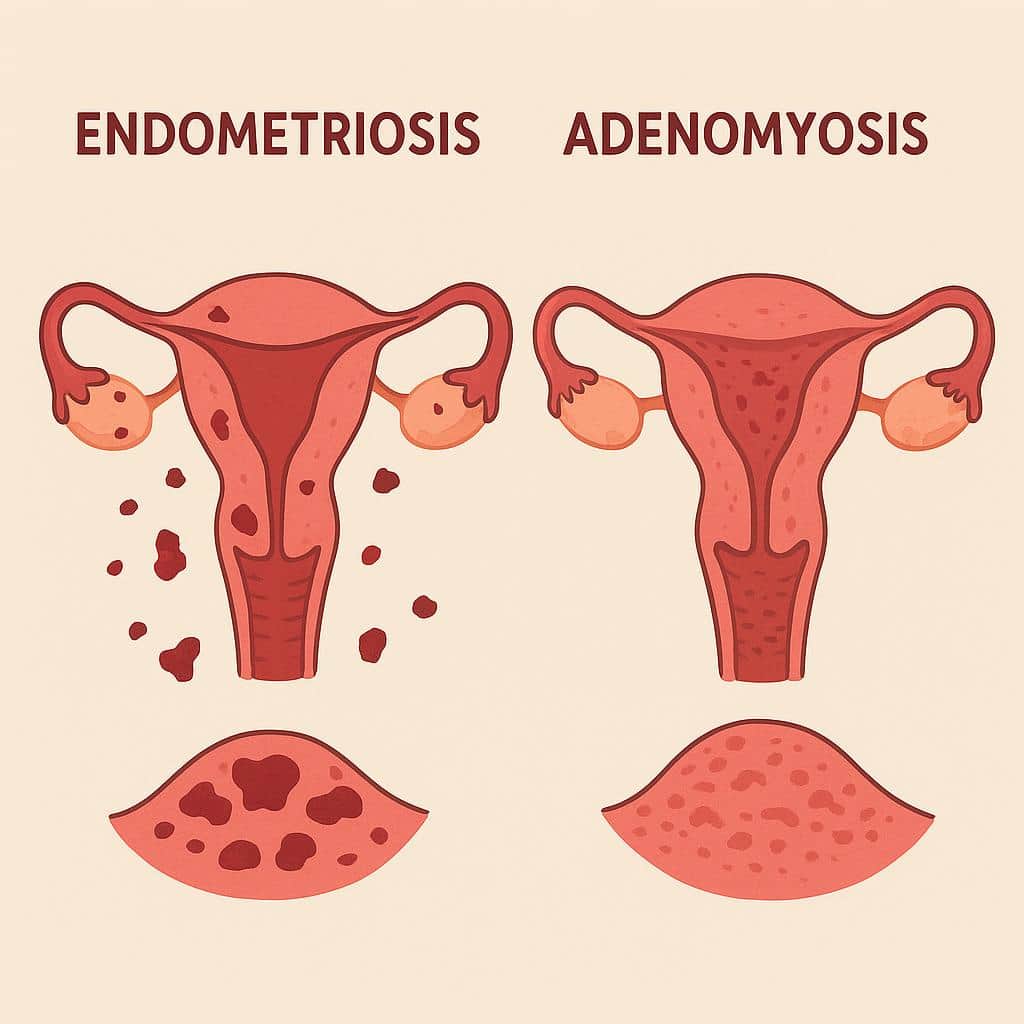
Mild period cramps can be common, but severe, life-disrupting pain deserves evaluation for an underlying cause rather than symptom relief alone. Endometriosis, where tissue similar to the uterine lining grows outside the uterus, can irritate pelvic structures, trigger inflammatory chemicals, and involve the bowel or bladder. Pain severity doesn’t reliably match endometriosis stage, so intense pain can occur even when disease appears limited or imaging looks normal.
Concerning patterns include pain that starts before bleeding or years after your first period, worsens over time, radiates into the pelvis or lower abdomen, feels out of proportion to bleeding, requires escalating medication, responds poorly to NSAIDs and heat, or disrupts school, work, sleep, relationships, or daily activities. Heavy or prolonged bleeding with clots and a heavy, pressure-like uterine ache, sometimes with an enlarged or boggy uterus, can suggest adenomyosis, particularly alongside ongoing pelvic pain.
We consider your symptom timeline, flare patterns, and associated symptoms, including painful sex, bowel pain with periods, urinary pain, fatigue, and pelvic pain between periods, because endometriosis and adenomyosis can overlap with pelvic floor dysfunction, nerve pain or central sensitization, gastrointestinal dysbiosis, and vascular issues. These conditions can be missed or minimized, so our specialist evaluation combines a careful exam with expertly interpreted imaging when helpful and a discussion of medical options or surgery when appropriate.
If period pain is disrupting your life or getting worse, you can schedule a consultation with our team to explore what’s driving it and discuss a plan aimed at lasting relief.
Where to go from here
Understand it, compare it with what you're feeling, then talk it through with us.
Compare
Symptoms it can relate to
Speak with Us
Severe Period Pain? Get Answers
Severe period pain that disrupts your life isn't normal and deserves thorough evaluation. Our specialists can diagnose underlying causes like endometriosis and provide effective solutions tailored to you.
Questions people ask next
All symptoms questionsWhy are my menstrual cramps getting worse over time?
Menstrual cramps that worsen over time can be a sign that an underlying condition is progressing. Inflammation and scarring from endometriosis can intensify pain, while adenomyosis can lead to heavier, more painful periods.
Can endometriosis be present with normal ultrasound and MRI?
Yes, it’s very possible to have endometriosis even when ultrasound and MRI are normal. Scans can miss superficial implants, small lesions, or disease in less-visible areas, so normal imaging should not automatically rule it out when symptoms persist.
Why do my bowel or bladder hurt around my period?
Bowel or bladder pain around your period can be a clue that hormonally driven inflammation is affecting your pelvis. One possible cause is endometriosis, but symptoms with similar timing can also occur with IBS or interstitial cystitis.
What are the key symptoms of adenomyosis?
Adenomyosis more commonly causes heavy or prolonged periods and significant cramping that can feel deep, sore, or achy. Many patients describe pelvic pressure, uterine tenderness, and heaviness, sometimes with bloating or low back discomfort that tracks with the cycle.
Further reading
Endometriosis and Adenomyosis: How They Drive Pelvic Pain
Compare endometriosis and adenomyosis: similarities, differences in location and prevalence, diagnosis methods, and treatment options for pelvic pain.
Different Types of Endometriosis Pain and What Helps
Learn how endometriosis pain can feel, what may drive each pattern, and which assessment and treatment options to discuss with your doctor.
Are These Symptoms Endometriosis? Recognizing the Early Warnings
Learn how to identify early signs of endometriosis, crucial for timely diagnosis and treatment. Don't dismiss your symptoms!