

Different Types of Endometriosis Pain Explained
Mechanisms, triggers, evaluation, and evidence-based relief, including pelvic floor and CNS sensitization, with guidance for adenomyosis.
Understanding Endometriosis Pain: Types, Evaluation, and Treatment
Endometriosis is a chronic gynecological condition in which tissue similar to the uterine lining grows outside the uterus, often causing pain and sometimes contributing to fertility challenges. The nature of the pain varies considerably, partly because different organs may be involved.
Common Endometriosis Pain Symptoms
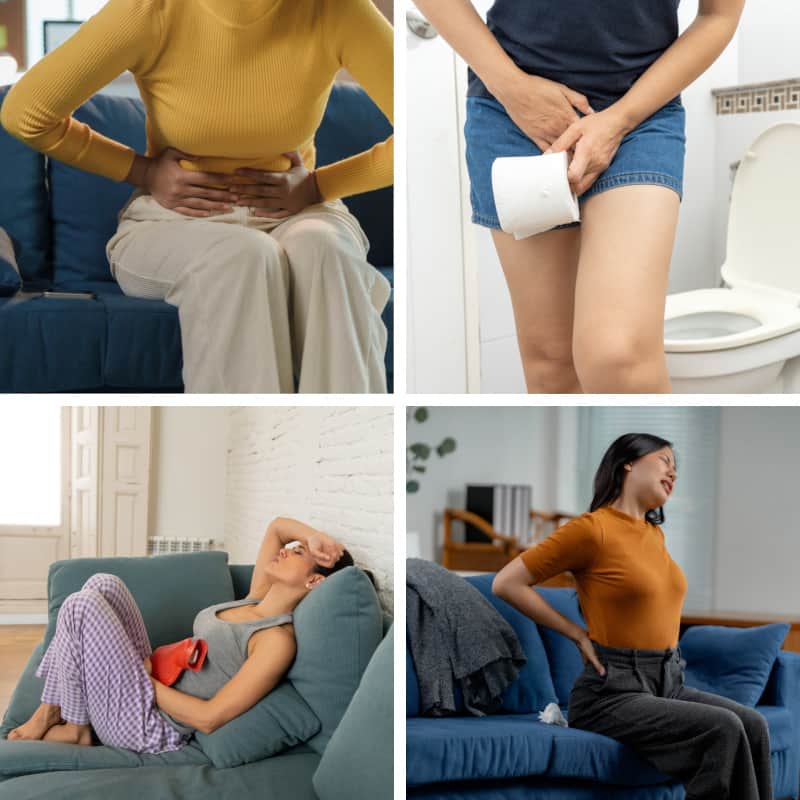
Endometriosis can produce several hallmark pain patterns. Dysmenorrhea refers to severe menstrual cramps that may begin before a period and persist beyond it. Non-menstrual pelvic and abdominal pain can occur as chronic discomfort unrelated to menstruation and is frequently linked to intestinal bloating commonly called endo-belly. Dyspareunia describes pain experienced during or after intercourse. Dyschezia is pain with bowel movements, and dysuria denotes painful urination that often worsens during menstruation. Many additional pain presentations exist depending on the organs affected, which complicates diagnosis and means endometriosis is not always the first suspected condition. Nonetheless, because it can underlie many types of pain, it should always be considered. Less typical examples include leg pain from involvement or compression of the sciatic or femoral nerves, as well as pain with breathing due to diaphragmatic or even pleural (peritoneum within the chest cavity) and lung involvement.
Evaluation of Endometriosis Pain
Accurate assessment is essential for diagnosis and treatment planning. The Visual Analog Scale (VAS) and the Numerical Rating Scale (NRS) are recommended tools due to their favorable balance of strengths and limitations compared with other scales (Bourdel et al., 2021). The Endometriosis Pain Daily Diary (EPDD), a patient-reported outcome instrument, was developed to measure endometriosis-related pain and its impact on daily life (van Nooten et al., 2018). Using at least one outcomes assessment tool is important so that progress—whether positive or negative—can be documented objectively.
Pain Triggers in Endometriosis: Mechanisms and Treatments
Pain in endometriosis arises from overlapping nociceptive mechanisms (nerve receptor activation), inflammatory pathways, and neuropathic processes. While pain is ultimately experienced as a single phenomenon, recognizing these mechanisms expands the range of options that can be used together to improve quality of life. Addressing only one or two contributors may limit results.
Peritoneal Prostaglandin Stimulation
Peritoneal prostaglandins are inflammatory mediators produced by endometriosis lesions. They sensitize pelvic peritoneal nerve endings and play a major role in pain. Nonsteroidal anti-inflammatory drugs (NSAIDs)—including ibuprofen and naproxen—can reduce inflammation and prostaglandin production to alleviate pain, though they do not treat endometriosis itself. Understanding which type of NSAID works best for an individual can aid decision-making. Hormonal therapies such as oral contraceptives, progestins, and GnRH agonists or antagonists can decrease menstrual cycling and thereby reduce prostaglandin production; careful risk–benefit analysis with expert input is important to optimize outcomes. Like NSAIDs, these hormonal approaches often do not treat endometriosis effectively due to factors such as relative progesterone resistance. Surgery—laparoscopic or robotic—provides two advantages: biopsy obtained at surgery is the only way to be certain endometriosis is at least part of the cause of pain, and removal of lesions can bring relatively immediate relief by eliminating direct nociceptive and chronic inflammatory stimuli that affect the pelvic floor. Surgery not only improves symptoms but is also a cornerstone therapy for endometriosis. Hysterectomy may be considered as a last-resort option in severe cases to alleviate pain—for instance when the uterus is encased in endometriosis and fibrosis—although it is otherwise unnecessary, incompatible with childbearing, and must be weighed against factors such as possible coexisting adenomyosis when balancing pain relief and fertility goals.
Pelvic Floor Stimulation
Pelvic floor dysfunction commonly accompanies endometriosis as a consequence of ongoing pain and muscle spasm, leading to additional discomfort with activities like intercourse, bowel movements, or urination. Pelvic floor physical therapy can reduce spasms, improve muscle function, and relieve pain, and may include external and internal manipulation as well as transcutaneous electrical nerve stimulation (TENS). Biofeedback helps patients develop awareness and better control of pelvic floor muscles. In certain cases, trigger point injections—using anesthetics or steroids—into painful pelvic floor muscles can provide relief.
Central Nervous System Sensitization
Central nervous system (CNS) sensitization describes heightened pain sensitivity frequently seen in chronic pain disorders, including endometriosis, producing exaggerated responses to normally non-painful stimuli. Cognitive-behavioral therapy (CBT) supports pain management by helping patients shift unhelpful thoughts and behaviors associated with chronic pain. Transcranial direct current stimulation (tDCS), a noninvasive brain stimulation method, has been shown to reduce pain perception in people with chronic pelvic pain and endometriosis (Mechsner et al., 2023). Pharmacologic options such as anticonvulsants (for example, gabapentin and pregabalin) and antidepressants (for example, amitriptyline) modulate CNS pain pathways to reduce neuropathic pain. An interdisciplinary approach that combines medication, physical therapy, and psychological support is often effective for managing chronic pain driven by CNS sensitization (Allaire et al., 2017).
End Your Pain with Expert Care
Our specialists are here to help you understand your condition and explore your treatment options.
Book Your ConsultationGeneral Holistic and Integrative Approaches
Dietary strategies that emphasize anti-inflammatory eating patterns—featuring fruits, vegetables, lean proteins, and omega-3 fatty acids, particularly brassica vegetables, leafy greens, berries, fatty fish such as salmon, and nuts—may help reduce inflammation and pain, while limiting processed foods, caffeine, alcohol, and high-fat meats may also alleviate symptoms. Acupuncture, a Traditional Chinese medicine technique involving placement of thin needles at specific body points, is effective for many people whether conceptualized via meridians or nerve pathways, and herbal options such as turmeric (curcumin), ginger, and chamomile can be used in supplement or tea form for their anti-inflammatory properties. The internal endocannabinoid system (ECS) is an emerging pharmacologic target for endometriosis-related pain (Bouaziz et al., 2017). External cannabinoids interface with this system; CBD shares target receptors with the ECS, and, where legal and under expert guidance, THC may also help, though its psychoactive effects may be undesirable for some. Mind–body practices including yoga, meditation, and mindfulness can lower stress and support pain management, and CBT specifically addresses the psychological dimensions of chronic pain. Supplements such as omega-3 fatty acids, vitamin D, and magnesium may be useful—omega-3s for inflammation, vitamin D for immune function and potentially symptom reduction, and magnesium for muscle relaxation and cramp relief. Lifestyle measures such as regular moderate exercise (for example, walking, swimming, or yoga) and stress-management techniques like deep breathing, progressive muscle relaxation, and guided imagery can further support symptom control.
Adenomyosis and Pain Mechanisms
Adenomyosis—closely related to endometriosis—occurs when endometrial tissue is embedded within the uterine muscle (myometrium), which can cause substantial pain and heavy menstrual bleeding. Although the pain mechanisms overlap with endometriosis, several additional processes contribute. Increased nerve fiber density in adenomyotic tissue correlates with more severe pain, indicating that nerve proliferation within the uterine muscle is a key factor (Lertvikool et al., 2014). Chronic inflammation and elevated prostaglandin levels cause painful uterine contractions and severe pelvic pain (MacGregor et al., 2023). Adenomyotic lesions invade the myometrium via mechanisms such as epithelial–mesenchymal transition and may also spread through lymphatic transport; both pathways can drive abnormal bleeding and significant pelvic discomfort (Tan et al., 2019). Disruption of normal uterine architecture also leads to abnormal uterine bleeding that exacerbates pain and contributes to dysmenorrhea (López et al., 2020).
Best Treatments for Adenomyosis-Associated Pain
Hormonal options include GnRH agonists and antagonists that lower estrogen levels to shrink adenomyotic lesions and reduce pain, and progestins such as Dienogest (DNG) that suppress lesion growth, though side effects like abnormal uterine bleeding can occur (Kobayashi, 2023). There are developing data suggesting that natural compounded progesterone may perform better than synthetic progestins. The levonorgestrel-releasing intrauterine system (LNG-IUS) delivers a small amount of progestin directly to the uterus, reducing pain and bleeding by suppressing endometrial tissue growth (Choi et al., 2010). Non-hormonal strategies such as NSAIDs reduce pain by decreasing inflammation and prostaglandin production. Traditional Chinese Medicine approaches, including acupuncture and herbal regimens like Shaoyao-Gancao Decoction (SGD), have shown promise by targeting inflammation and muscle relaxation (Guan et al., 2014). Surgical options include laparoscopic or robotic procedures to remove some adenomyotic tissue, which may offer relief but can affect fertility if the uterine cavity is entered. Since adenomyomas are now considered part of diffuse adenomyosis, complete removal is highly problematic if not impossible. Hysterectomy may be considered in severe cases to relieve pain and improve quality of life when other treatments fail; although hysterectomy is not always necessary to manage endometriosis pain, coexisting adenomyosis—which is difficult to diagnose accurately with imaging or physical examination—may warrant consideration of hysterectomy once childbearing is complete.
Challenges and Future Directions
Communication about pain with clinicians can be difficult because pain is subjective and endometriosis is complex. Enhanced language and improved tools have been proposed to facilitate patient–practitioner dialogue (Bullo & Weckesser, 2021). Research into genetic correlations and novel targets, including the P2X3 receptor and brain-derived neurotrophic factor (BDNF), remains vital for more effective therapies (Ding et al., 2018). Encouragingly, there is substantial ongoing research into chronic pain more broadly, not limited to endometriosis.
Comprehensive Care for Endometriosis Pain: Resources and Next Steps
Because endometriosis pain is multifactorial, thorough evaluation and a multimodal treatment plan typically yield the best results. Integrating medical, surgical, and holistic strategies can provide meaningful relief and improve quality of life. For deeper exploration, see the referenced studies linked throughout this article.
What type of endometriosis pain do you experience, and how would you describe it?
References
Wang et al. 2019 DOI: 10.1159/000550341
Bouaziz et al. 2017 DOI: 10.1016/j.jpsychires.2022.08.025
Bullo & Weckesser, 2021 DOI: 10.3390/hematolrep17060069
Ding et al. 2018 DOI: 10.1164/rccm.202504-0926LE
MacGregor et al. 2023 DOI: 10.1097/HJH.0000000000004049
Choi et al. 2010 DOI: 10.3390/vaccines13090912
Guan et al. 2014 DOI: 10.3390/ma17225574
Allaire et al. 2017 DOI: 10.3390/cancers16040725
Quick Answers
Which adenomyosis symptoms most affect daily life?
Adenomyosis symptoms that most disrupt quality of life usually come from two main issues: how the uterus bleeds and how it hurts. Many patients describe heavy or prolonged periods that interfere with work, school, travel, and sleep—sometimes with flooding, frequent pad/tampon changes, and fatigue that can follow significant blood loss. Severe period pain (often more than “normal cramps”) is also common, and it can feel deep, aching, or pressure-like, sometimes accompanied by an enlarged, tender uterus and a sense of pelvic heaviness or bloating.
Outside of the period itself, adenomyosis can contribute to chronic pelvic pain, pain with sex for some people, and bowel or bladder discomfort—especially when symptoms flare around the menstrual cycle. It can also overlap with endometriosis, and when both are present symptoms may intensify or become harder to tease apart. If your day-to-day life is being shaped by bleeding, pain, pressure, or fertility stress, our team can help you sort out whether adenomyosis, endometriosis, fibroids, or more than one condition may be driving the pattern—and what next-step options make sense for your goals.
Why do I look pregnant from bloating with constant pelvic pressure?
Feeling so bloated you “look pregnant” along with constant pelvic pressure usually points to more than simple gas—often it’s a pelvic condition creating inflammation, swelling, or a sense of bulk. Endometriosis can irritate the bowel and pelvic lining, trigger scarring that tethers organs, and create the classic “endo belly” sensation that comes and goes (sometimes not perfectly cyclical). Pelvic pressure can also happen when endometriosis involves deeper tissues or nearby organs like the bladder, ureters, or rectum.
Just as important: these symptoms can be driven by endometriosis neighbors or coexisting conditions, especially adenomyosis and fibroids, which can make the uterus feel heavy, full, or “bulky” and add pressure on the bladder and bowel. Ovarian cysts and other benign pelvic findings can contribute, and IBS-like bowel sensitivity can overlap so closely that symptoms alone don’t reliably sort out what’s causing what. Our team focuses on mapping the full picture—uterus, ovaries, bowel, bladder, and pelvic support structures—so treatment targets the true driver(s), not just the most obvious diagnosis.
If this pressure/bloating is persistent, worsening, or changing your ability to eat, move your bowels, or urinate comfortably, it’s a strong reason to pursue a deeper evaluation rather than being told it’s “normal.” You can explore our educational content on bowel symptoms, bladder symptoms, and overlapping conditions, and reach out to schedule a consultation so we can review your history, imaging, and symptom pattern and outline a plan aimed at lasting relief.
Why does ovarian cyst pain keep coming back?
Ovarian cyst pain can feel “recurrent” for a few different reasons. Some cysts are functional (they form with ovulation and then resolve), so the pain returns in a similar spot month after month even though it’s not the exact same cyst. In other cases, the cyst itself can come back or persist—especially if it’s an endometrioma (an ovarian cyst caused by endometriosis), which can behave differently than a simple cyst and may be associated with deeper pelvic disease.
Another common reason is that the cyst isn’t the whole story: endometriosis on the pelvic sidewall, uterosacral ligaments, bowel, bladder, or around the ovary can irritate the same nerves and tissues and make it feel like “my cyst is back” when the driver is actually inflammatory disease nearby. Adhesions (scar-like bands) can also tether the ovary and cause recurring pulling or sharp pain, even when imaging doesn’t show a large cyst. If your pain cycles, escalates, returns quickly after a “normal” ultrasound, or keeps recurring despite prior treatment, our team can help you map the pattern, interpret imaging with an endometriosis lens, and decide whether targeted evaluation and—when appropriate—excision surgery is the next best step.
Why do I get low back and leg pain during my period?
Low back and leg pain that predictably flares with your period can happen when pelvic inflammation irritates pain pathways that “refer” into the back, hips, buttocks, and down the leg. In some patients, endometriosis can be part of that story—either indirectly (pelvic inflammation and scarring increasing pressure and sensitivity around nearby nerves) or more directly if disease is affecting areas close to major nerves.
When period-related leg pain resembles sciatica—deep buttock pain, tingling, burning, or pain radiating down the back of the thigh—it raises the possibility of endometriosis-related sciatic irritation or pelvic floor involvement (often described as piriformis-type pressure on the nerve). These symptoms may start before bleeding, peak during the period, and linger afterward, and in more significant cases can be associated with weakness or changes in walking.
Because back and leg pain can also come from the spine, hips, or muscles, the key is the pattern and the full symptom “constellation,” including pelvic pain, bowel/bladder symptoms, or pain with sex. Our team can help you sort out whether your pain fits an endometriosis/adenomyosis pattern and, if needed, plan next-step evaluation such as targeted imaging and a strategy focused on lasting relief rather than temporary suppression.
Can endometriosis cause infertility and pelvic pain in your 20s?
Yes. Endometriosis can absolutely show up in your late 20s and it can be a driver of both chronic pelvic pain and fertility challenges. Pain can include severe or worsening period cramps, pain with sex, bowel or bladder pain, and “flare” patterns that track with your cycle—although symptom severity doesn’t always match how much disease is present.
Endometriosis can affect fertility in several ways, including adhesions that distort tubo‑ovarian anatomy, inflammation and immune signaling that interferes with fertilization or embryo development, and ovarian factors—especially when endometriomas are involved. For some patients, the uterine environment also matters, particularly when adenomyosis is present alongside endometriosis. In our practice, we focus on listening to your full symptom and fertility story and then building an evaluation that looks for endometriosis while also checking for common look‑alikes or coexisting issues, so we can tailor a plan to your goals—whether that’s pain relief, preserving fertility, or both.