


Sex After Endometriosis Excision and Deep Surgery
When can you resume sex after endometriosis excision? Learn what recovery after deep surgery may feel like, what can improve, and when to seek help.
9 minute read
Read moreYour options, your surgeon, and how to begin, on one page.
See the overview
Explore all our service offerings from one place.
Browse services
Search expert-written answers, browse by topic, or find information based on where you are in your journey.
Explore All KnowledgeUnderstand why nerve-related pain occurs with endometriosis, how to spot burning or electric sensations, and evidence-based ways to ease them—from medications and pelvic floor therapy to nerve-targeted care and self-management.
Neuropathic pain in endometriosis and adenomyosis arises when inflamed lesions stimulate or involve nerves, and when ongoing pain sensitizes the nervous system. It often feels burning, shooting, electric, or like pins and needles. Light touch or clothing can hurt (allodynia), and symptoms may radiate into the vulva, buttock, or leg if pudendal, obturator, or sciatic pathways are affected. Adenomyosis can also drive nerve sprouting and hypersensitivity inside the uterus, compounding period pain.
Understanding these patterns helps target care. Learn how to distinguish neuropathic features from cramping, track triggers such as sitting, bowel movements, sex, or ovulation, and describe symptoms so clinicians can examine pelvic floor tone, map sensory changes, and order focused tests when needed. For diagnostic context, see Diagnostics & Imaging, MRI, and Ultrasound. Management typically blends nerve‑directed medicines, pelvic floor rehabilitation, desensitization and pacing, with selective procedures when entrapment is suspected; see Nerve Pain, Pelvic Floor PT, and At-Home Remedies. When deep disease contacts nerves, coordinated evaluation with Deep Infiltrating Endometriosis expertise helps determine when surgery may help and when long‑term nervous‑system care is most important.
Yes, painful sex from endometriosis can improve, and for many patients it improves meaningfully with treatment of the underlying disease. Relief can be gradual after surgery, and treatment may also need to address pelvic floor muscles and the nervous system.
Endometriosis can be associated with dysautonomia-like symptoms for some patients, especially with long-term pelvic pain. Symptoms can include palpitations, dizziness and fatigue, but the link is not always a simple cause, and research is still evolving.
If you can’t take NSAIDs, alternatives for endometriosis pain include other medicines, pelvic floor therapy, TENS, and strategies to reduce pain amplification. A layered plan can address different pain drivers while evaluating whether disease-directed treatment is needed.
Endometriosis can cause tailbone pain when pelvic inflammation and pain keep pelvic floor muscles clenched, referring pain to the coccyx. Nerve sensitization can also develop, so discomfort can persist or flare even when the original trigger seems small.
When can you resume sex after endometriosis excision? Learn what recovery after deep surgery may feel like, what can improve, and when to seek help.
Learn how endometriosis pain can feel, what may drive each pattern, and which assessment and treatment options to discuss with your doctor.
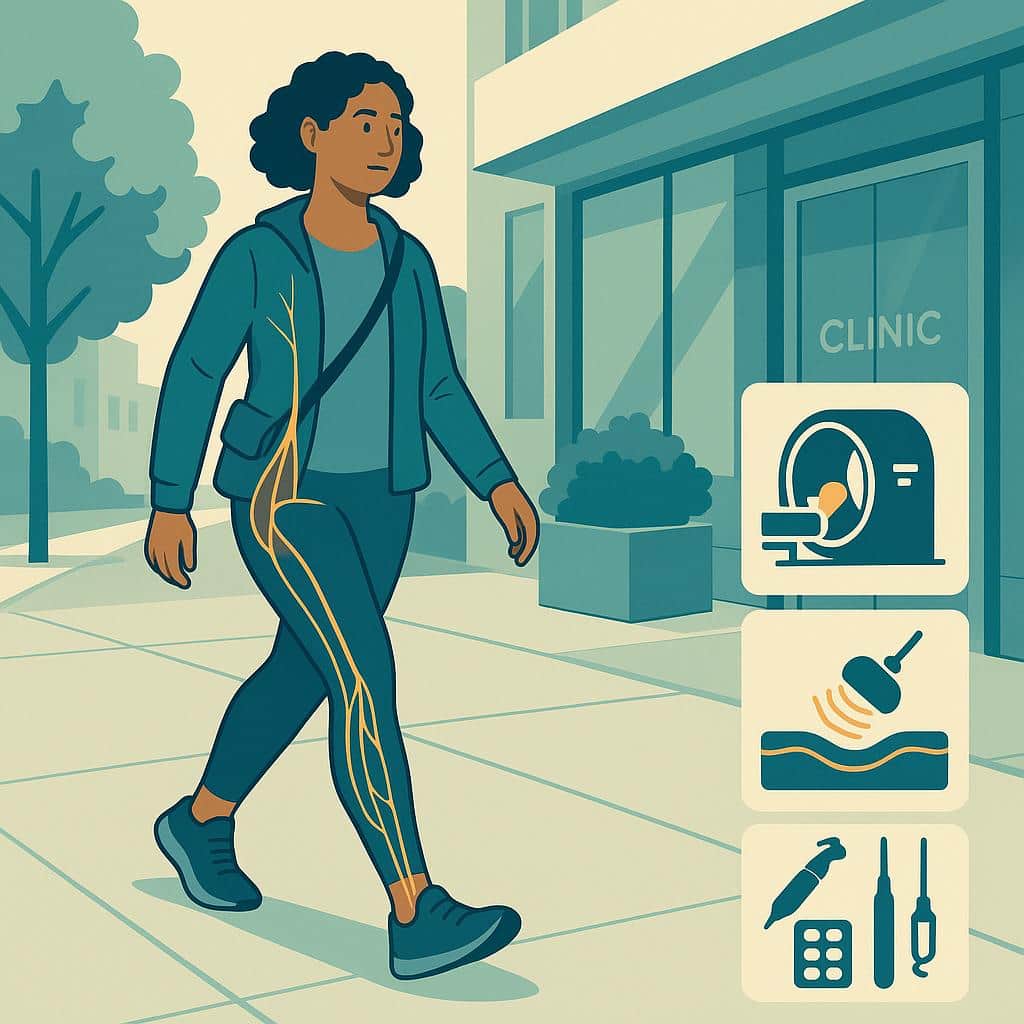
Sciatic nerve endometriosis explained: key symptoms, how it's diagnosed (exam, MRI), and effective treatments including medication, PT, and surgical excision.
Lotus Endometriosis Institute provides California-based surgical evaluation and advanced excision care for patients with suspected endometriosis, adenomyosis, complex pelvic pain, and related conditions.
Many patients contact us from outside California to learn whether traveling for in-person evaluation and possible surgery may be appropriate.
2121 Santa Monica Blvd, Santa Monica, CA 90404
8am - 5pm
Monday - Friday
154 Traffic Way, Arroyo Grande, CA 93420