


Endometriosis Beyond the Pelvis: A Patient’s Guide
Learn about endometriosis outside the pelvis—symptoms, organ involvement, and why multidisciplinary care is essential for patients.

This series unpacks the lesser-known realities of endometriosis when it spreads beyond the reproductive organs. Beginning with deep infiltrating endometriosis, it takes patients through the ways the disease can affect organs like the bowel, bladder, ureters, diaphragm, and even nerves. Along the way, readers learn symptoms to look for, the ways endometriosis can complicate diagnosis and treatment, and why having a multidisciplinary care team is crucial for optimal management.
Posts in This Series (5)
Deep Infiltrating Endometriosis, Explained Simply

Deep infiltrating endometriosis (DIE) is endometriosis that grows more than 5 mm beneath the tissue surface, often involving deeper pelvic structures like the uterosacral ligaments, rectovaginal space, bowel, bladder, or ureters. It can behave differently than superficial disease because it can scar, tether, inflame, compress, or obstruct nearby organs.
DIE isn’t defined by pain level and may not be felt on a routine pelvic exam—especially when lesions sit deep or high. It’s more likely to cause non-typical symptoms and needs targeted evaluation because organ involvement can be serious, including silent urinary tract disease.
- Deep pain with sex
- Bowel pain, constipation/diarrhea, or pain with bowel movements
- Urinary urgency, pain, or flank pain from ureter involvement
When Endometriosis Feels Like a Gut Problem

Digestive symptoms can be endometriosis even when standard GI testing (including colonoscopy) looks normal. Deep infiltrating endometriosis often involves the outer bowel and muscular layer—most commonly the rectum and rectosigmoid—so symptoms can come from inflammation, scarring that tethers organs, narrowing of the bowel, and nerve involvement.
Common patterns that raise suspicion include:
- Pain with bowel movements (deep, sharp, “tearing”), often cyclical
- Constipation, diarrhea, or alternating stools that flare around periods
- Bloating and low pelvic cramping
- Nausea/vomiting during severe flares
- Rectal bleeding that correlates with the menstrual cycle
Bowel endometriosis frequently coexists with other disease, including adenomyosis, so heavy bleeding plus bowel pain can have more than one driver.
When Endometriosis Affects the Bladder or Ureters

Urinary tract endometriosis can involve the bladder wall or the ureters (the tubes draining urine from the kidneys). It’s not rare in deep endometriosis, and ureter involvement matters most because it can narrow the ureter, cause hydronephrosis, and quietly threaten kidney function.
Symptoms often don’t look like a typical urinary infection, and cultures may be negative. Common patterns include:
- Cyclic burning/pain with urination (dysuria), pressure, or urgency—often worse around periods
- Recurrent “UTI-like” flares without bacterial growth
- No urinary symptoms at all despite kidney swelling on imaging
- Cyclical visible blood in urine (hematuria)—uncommon but a major red flag requiring prompt evaluation
When Endometriosis Affects the Diaphragm or Nerves
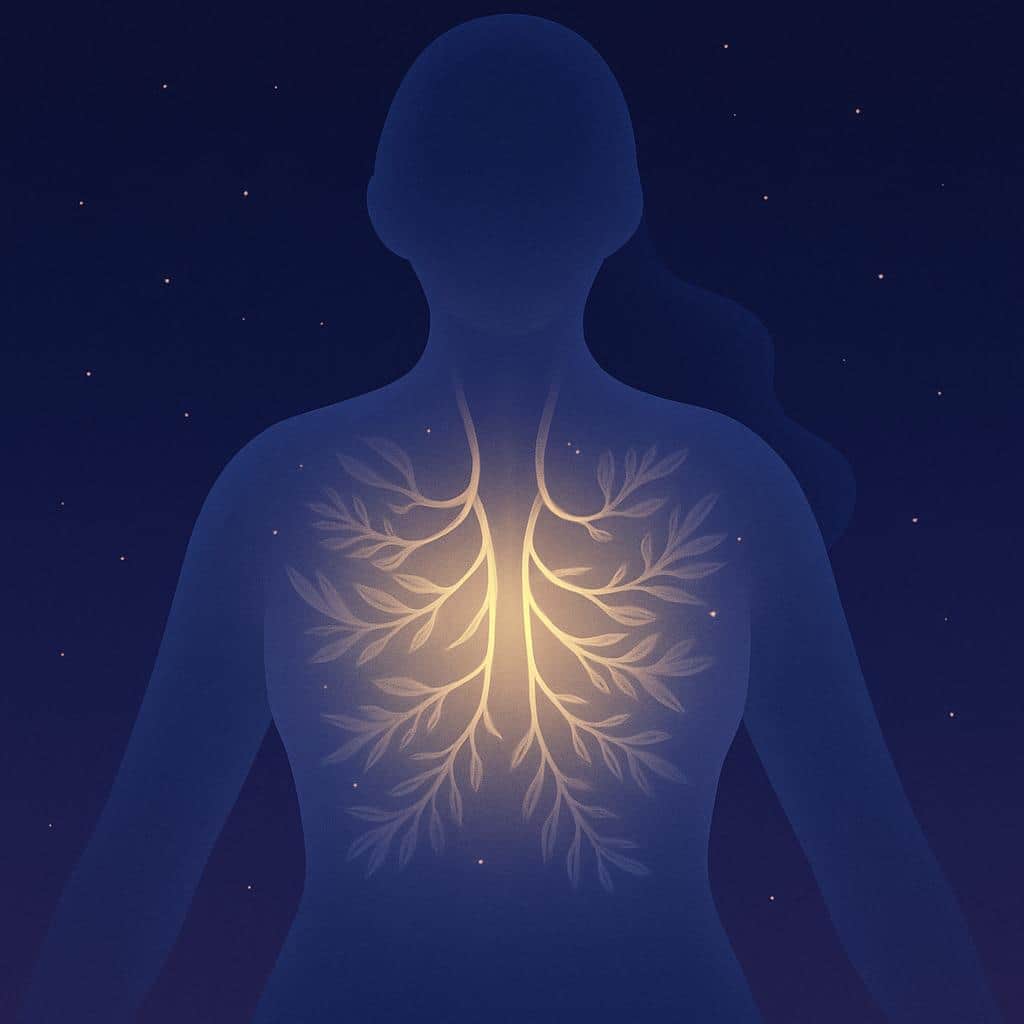
Endometriosis can occur outside the pelvis, including the diaphragm and (more rarely) major pelvic nerves. A key clue is catamenial timing—symptoms that reliably flare around menstruation. Thoracic endometriosis can range from recurrent, vague right-sided rib or shoulder-tip pain to urgent events like a pneumothorax (collapsed lung), often within the first 72 hours of bleeding.
Seek evaluation for cyclical symptoms that don’t fit “typical” pelvic disease, especially:
- Chest, shoulder, or upper abdominal pain with deep breathing that tracks with your cycle
- Sudden shortness of breath or recurrent pneumothorax/pleural effusion around periods
- Sciatica, numbness, weakness, or bladder/bowel changes that worsen predictably during menstruation
Why Complex Endometriosis Needs a Team Approach

Complex endometriosis often involves more than one organ system, especially with deep infiltrating disease that can affect the bowel, bladder, ureters, pelvic floor, and nerves. Symptoms also don’t reliably match lesion size or stage, so severe pain can exist with minimal visible disease—and extensive disease can cause surprisingly little pain. That mismatch makes single-track care (one scan, one medication, one specialty) more likely to miss key drivers.
Multidisciplinary care improves planning and outcomes by coordinating evaluation and treatment across the systems involved, including:
- Gynecology with advanced endometriosis surgical expertise
- Colorectal surgery and/or urology when bowel or urinary tract involvement is possible
- Pelvic floor physical therapy and pain-focused care for muscular and nervous system contributors
Overlap conditions like adenomyosis can keep bleeding or period pain active even after excision, so treatment often needs to address more than lesions alone.
Endometriosis can extend far beyond pelvic organs, which is why symptoms that look “gastro,” urinary, nerve-related, or even chest/shoulder pain still deserve to be taken seriously. The takeaway is simple: your pattern of symptoms matters, and it’s not a personal failure if standard treatments haven’t helped.
Clear mapping of disease and function—paired with a coordinated, multidisciplinary plan—gives you the best chance at lasting relief while protecting fertility, organs, and quality of life. You can ask for care that matches the complexity of what you’re feeling.
Get answers for whole-body symptoms
If your pain, GI issues, urinary symptoms, or even shoulder/nerve pain cycle with your period, it may be endometriosis beyond the pelvis—even when tests come back “normal.” Our specialists evaluate deep infiltrating and multi-organ endometriosis and coordinate a team-based plan for bowel, bladder/ur
Request an Appointment