

Diagnosis
How can I get diagnosed with endometriosis if my ultrasound is normal?
The short answer
A normal ultrasound doesn’t rule out endometriosis; evaluation includes a detailed symptom history, targeted pelvic exam and, when appropriate, expert imaging. If surgery becomes part of the plan, testing removed tissue offers the most definitive confirmation.
A normal ultrasound doesn’t rule out endometriosis, and it doesn’t mean that nothing is wrong. Many forms of endometriosis, especially superficial disease or certain deep lesions, can be missed on routine imaging, and symptoms often provide stronger clues than an ultrasound report. The next step is a careful, pattern-based evaluation of your full history (pain timing, flare triggers, bowel/bladder symptoms, painful sex, fatigue, and fertility goals) so we can determine what’s most likely and what else could be mimicking or overlapping with it.
As part of our process, we combine that history with a targeted pelvic exam and, when appropriate, expertly interpreted imaging (sometimes MRI or a higher-skill ultrasound review) to look for endometriosis, adenomyosis, and related pelvic conditions. We also stay alert to other drivers that can prolong diagnostic limbo, including pelvic floor dysfunction, nerve pain or central sensitization, vascular conditions, hernias, or endocrine/autoimmune overlap, because treating endo alone doesn’t help if another condition is also present.
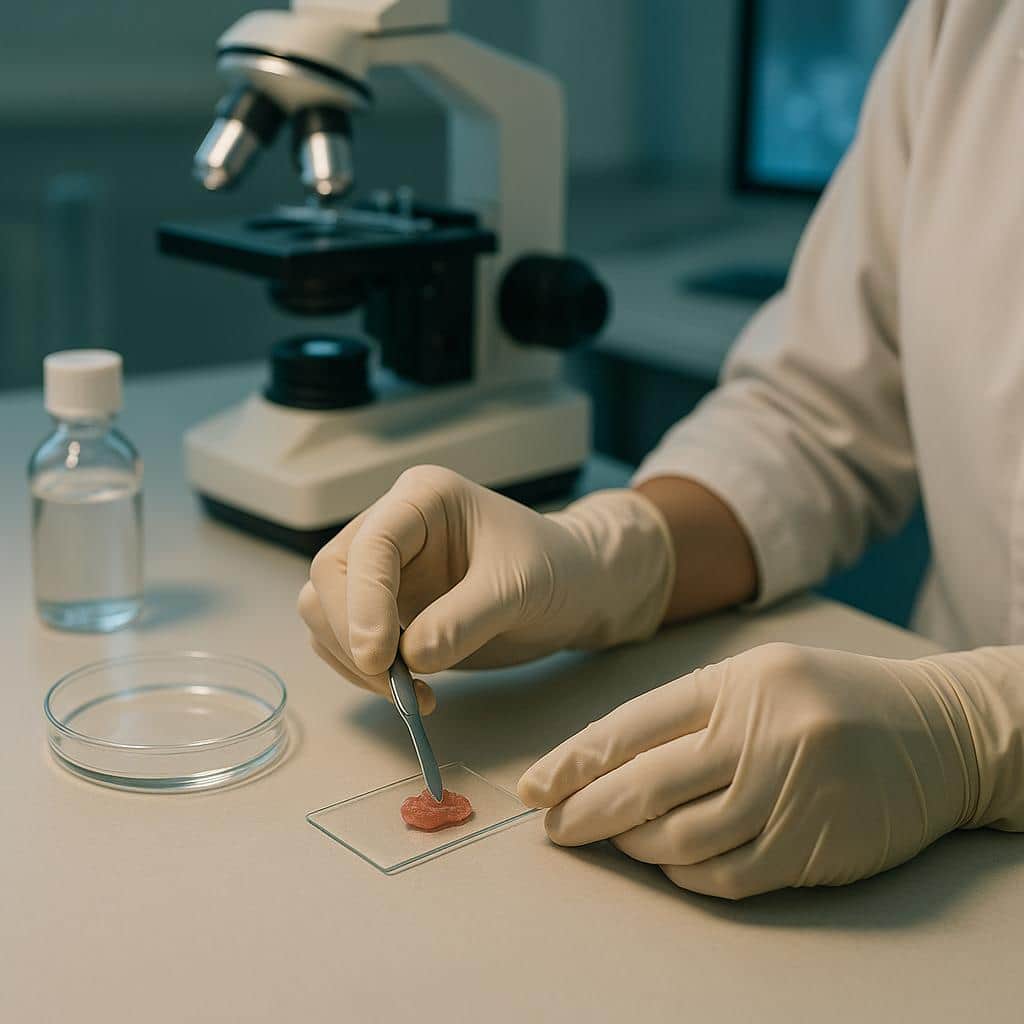
If surgery becomes part of the plan, the most definitive confirmation is finding and removing suspected lesions and sending tissue to pathology, while recognizing that biopsy can be negative if sampling misses subtle disease. If you’re stuck with persistent symptoms despite normal tests, reach out to schedule a consultation. We’ll review your records, map your symptoms carefully, and outline the most direct path to a diagnosis and a treatment plan that fits your goals.
Where to go from here
Understand it, compare it with what you're feeling, then talk it through with us.
Compare
Symptoms it can relate to
Speak with Us
Ultrasound Normal? Symptoms Matter More
A normal ultrasound doesn't rule out endometriosis. Our specialists use your symptoms and detailed history to guide next steps and provide a precise diagnosis.
Questions people ask next
All diagnosis questionsHow is endometriosis diagnosed, and do I need surgery?
Endometriosis diagnosis starts with symptoms, a pelvic exam, and expert imaging; surgery is not automatically required to begin care. Laparoscopy with biopsy remains the gold standard for definitive diagnosis and can allow treatment at the same time.
Standard pelvic ultrasound vs endometriosis-focused scan: what’s different?
A standard pelvic ultrasound surveys the uterus and ovaries, while an endometriosis-focused scan maps suspected disease and checks organ movement. Mapping can help assess deep disease, adhesions, and bowel involvement for surgical planning, but it can miss disease.
What tests help explain severe pelvic pain with normal imaging?
A detailed symptom history and pain-focused exam are often most useful when imaging is normal. Depending on symptoms, testing may assess pelvic floor problems, nerve-related pain or vascular causes; if surgery is part of your plan, biopsy can confirm endometriosis.
Will endometriosis show up on ultrasound?
Sometimes, but a normal ultrasound does not rule out endometriosis. Ultrasound is very good at finding ovarian endometriosis cysts and, with specialist imaging expertise, can detect many cases of deep disease; superficial lesions are rarely visible.
Further reading
Can Scans and Tests Find Endometriosis? Know the Limits
Discover why ultrasounds may miss endometriosis. Learn about imaging limits and recent research in our latest blog. Find clarity in your diagnosis.
Endometrial Biopsy for Endometriosis and Definitive Tissue Diagnosis
Can an endometrial biopsy diagnose endometriosis? Learn which tissue confirms it, why a biopsy may be negative, and when other sampling helps.
How to Recognize Endometriosis Symptoms
Recognize endometriosis: painful periods, GI and urinary symptoms, dyspareunia, infertility. Understand causes, complications, diagnosis, and medical/surgical treatment options.