
Diagnosis
UTI or endometriosis bladder irritation: how can I tell?
The short answer
Urine testing, especially a culture, helps distinguish a UTI from endometriosis-related bladder irritation. A UTI often improves with the right antibiotic, while endometriosis symptoms may flare around your period despite negative cultures and no lasting antibiotic relief.
A true UTI is an infection, usually supported by a positive urinalysis or urine culture, and often improves with the right antibiotic. UTIs can cause burning or stinging with urination, cloudy or strong-smelling urine, and sometimes feeling sick or having a fever. Symptoms and urine appearance alone cannot reliably distinguish infection from other causes of bladder irritation.
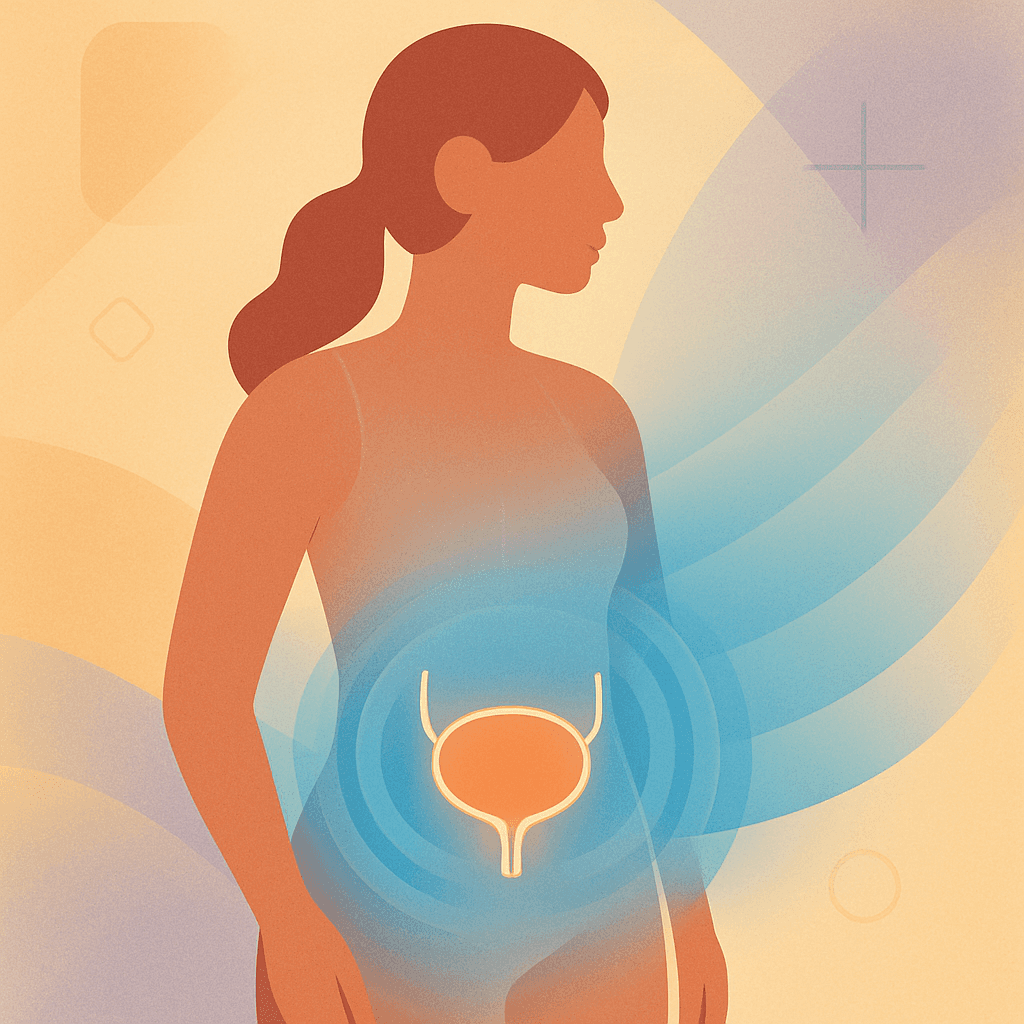
Endometriosis can cause UTI-like symptoms without a bacterial infection, including a recurring sensation of needing to urinate immediately that often fluctuates with your menstrual cycle. These symptoms may flare around your period alongside period pain, pain with sex, bowel changes, or ongoing pelvic pressure. Symptoms may persist or recur despite negative urine cultures, with antibiotics providing only temporary improvement or no lasting relief.
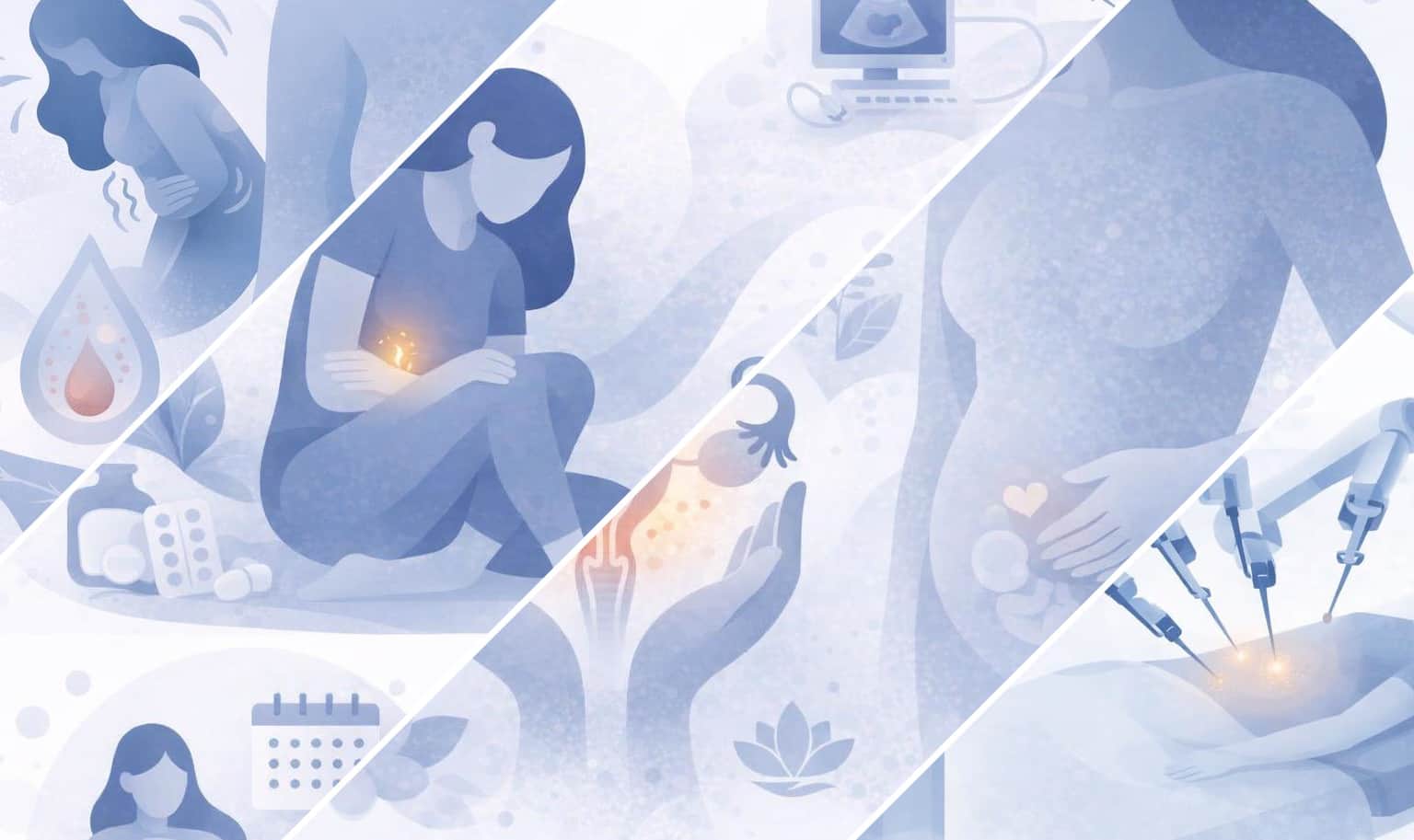
We generally recommend confirming whether infection is present before starting treatment, to avoid missing an infection or using unnecessary antibiotics. If cultures are repeatedly negative or episodes keep being treated as UTIs, you’re welcome to schedule a consultation with our team to explore whether endometriosis, bladder pain syndromes, or pelvic floor muscle irritation may be contributing, and discuss next steps based on your full symptom pattern and history.
Where to go from here
Understand it, compare it with what you're feeling, then talk it through with us.
Compare
Symptoms it can relate to
Speak with Us
Is it UTI or Endometriosis?
Confused about your bladder symptoms? Our specialists can help distinguish between UTI and endometriosis to guide your treatment effectively.
Questions people ask next
All diagnosis questionsBladder endometriosis vs UTI vs IC: how can I tell the difference?
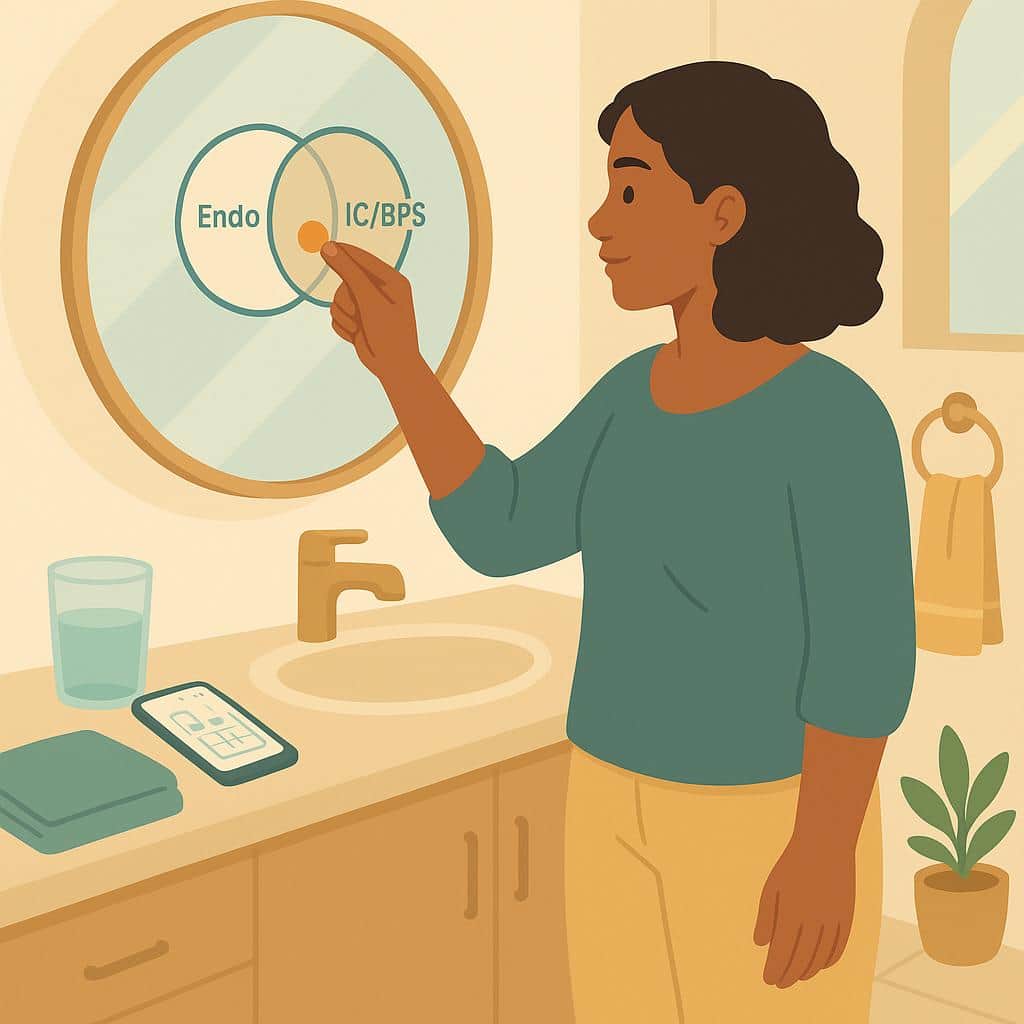
Bladder endometriosis often flares before or during your period despite negative urine cultures, while a UTI is more likely when testing shows infection and antibiotics help. IC/BPS can cause ongoing bladder pain and urgency without infection, typically not tightly linked to your cycle.
Can endometriosis cause bladder pain with a normal urine test?
Yes, endometriosis can cause bladder pain even when urine tests and cultures are normal. Symptoms may be driven by inflammation, sensitive pelvic nerves, tight pelvic floor muscles, or endometriosis on or near the bladder.
Can endometriosis cause burning urination with a negative UTI test?
Yes, endometriosis can cause burning urination even with a negative UTI test. This can happen when it involves the bladder surface or nearby tissues, or when chronic pelvic inflammation and nerve sensitization make the urinary tract feel irritated.
Should I take antibiotics for ongoing urinary symptoms?
If your urine cultures are consistently negative, repeated antibiotics usually won’t help ongoing urinary symptoms and can cause side effects and antibiotic resistance. Persistent symptoms are often due to bladder inflammation or irritation rather than an active infection.
Further reading
Could Bladder Endometriosis Explain Your “Mystery” Urinary Pain?
Explore how bladder endometriosis may explain your urinary pain. Understand symptoms, diagnosis, and treatment options for better pain management.
Bladder Endometriosis: Symptoms, Diagnosis, and Treatment Options
Learn about bladder endometriosis, its symptoms, diagnosis, and treatment options. Understand the complexities to find effective pain management solutions.
Endometriosis and Bladder Pain - Why Your Pelvic Pain Persists
Pelvic pain despite endometriosis treatment? Learn the bladder pain syndrome (IC/BPS) overlap, signs your bladder is involved, and next steps for relief.