


How Does Endometriosis Affect Fertility? Understanding the Science
Discover how endometriosis impacts fertility and what recent research reveals. Understand the factors influencing conception. Read now!
10 minute read
Read moreYour options, your surgeon, and how to begin, on one page.
See the overview
Explore all our service offerings from one place.
Browse services
Search expert-written answers, browse by topic, or find information based on where you are in your journey.
Explore All KnowledgeExplore the latest evidence on endometriosis—from who is affected and why, to genetic insights and emerging therapies—so you can understand risks, advances, and what promising treatments may mean for you.
Research in endometriosis is moving fast, uncovering why disease starts, why it persists, and which treatments truly help. Summaries here translate high‑quality studies on prevalence, risk factors, pain mechanisms, immune and hormonal signaling, fibrosis, and comorbidities into clear, practical takeaways. Expect context on strengths and limits of study designs, from population cohorts to surgical registries and randomized trials, so it’s easier to judge what findings mean for daily life and shared decision‑making.
Because endometriosis is heterogeneous and often overlaps with adenomyosis, we highlight how results may differ by phenotype and life stage, and when insights extend to adenomyosis with links to Adenomyosis. For deeper dives into specific streams, explore Epidemiology, Genetics, Biomarkers, and New Treatments, or see how innovations in tests relate to care in Diagnostics & Imaging. Learn what’s promising, what’s proven, and how to talk with your clinician about trial options and timing relative to surgery, fertility plans, and symptom goals.
Estrogen dominance in endometriosis can come from estrogen made within lesions, inflammation that reinforces estrogen signaling, and a weaker response to progesterone. These changes can favor estrogen in pelvic tissues even when blood hormone labs look normal.
There is not yet strong clinical trial evidence that diet changes or probiotics reliably reduce endometriosis lesions or stop disease progression. They may help symptoms for some people, but are supportive tools, not a substitute for a tailored treatment plan.
Endometriosis studies can disagree because they include different forms of the condition, patient groups and prior treatments. Research teams may also use different diagnostic standards, measure different outcomes or follow patients for different lengths of time.
Researchers are studying non-hormonal treatments that target inflammation, pain signaling, new blood vessel growth, and scarring in endometriosis. A few approaches look promising, but most are still experimental and not widely available outside clinical trials.
Discover how endometriosis impacts fertility and what recent research reveals. Understand the factors influencing conception. Read now!
Can PCOS occur together with adenomyosis or endometriosis? Yes. See how that overlap differs between the two, and what to ask about fertility and FET.

Can low dose naltrexone help endometriosis pain? Learn what is known, where evidence is indirect, and what to discuss before a monitored trial.

Discover how wild-grape compounds, like ε-viniferin, could potentially influence endometriosis pain and inflammation. Learn more about future treatments!
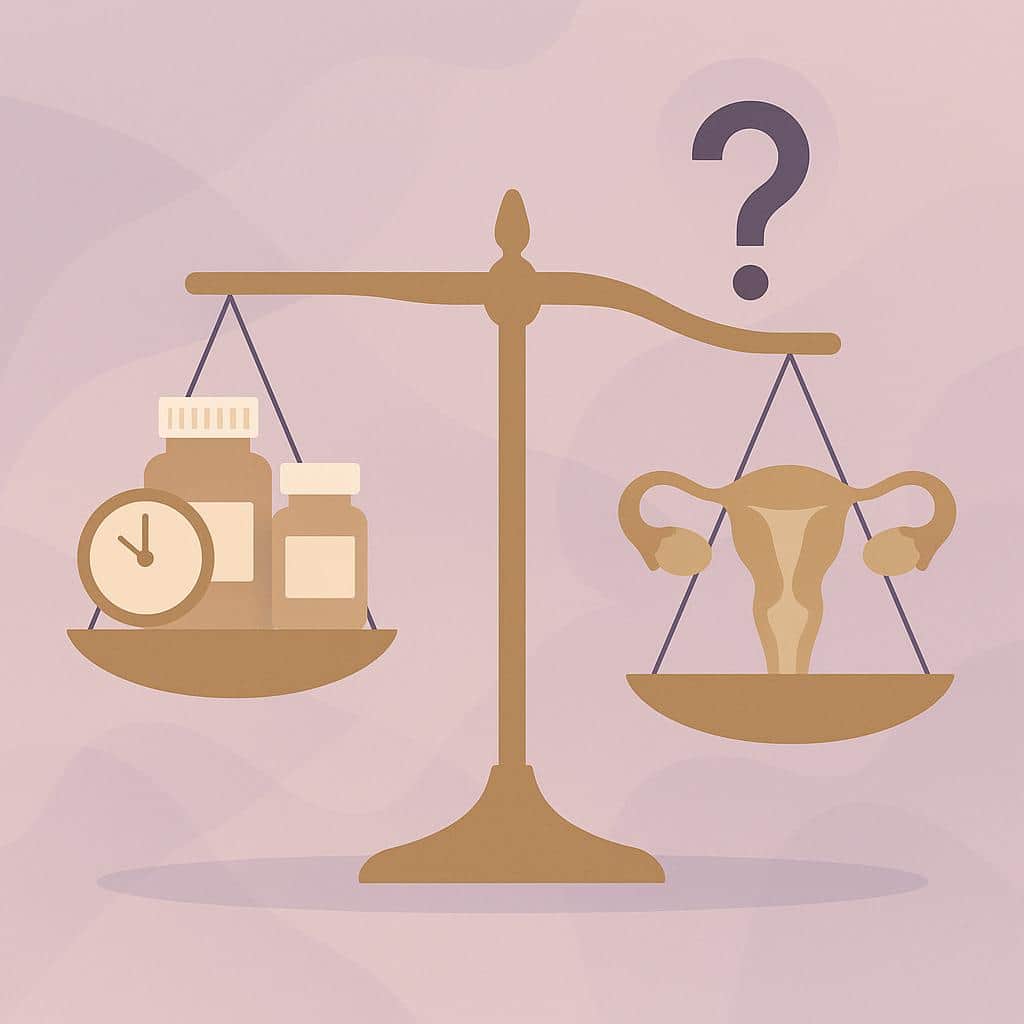
Explore the risks of hormonal therapy without surgical diagnosis for endometriosis. Learn what patients need to know about treatment options and potential side
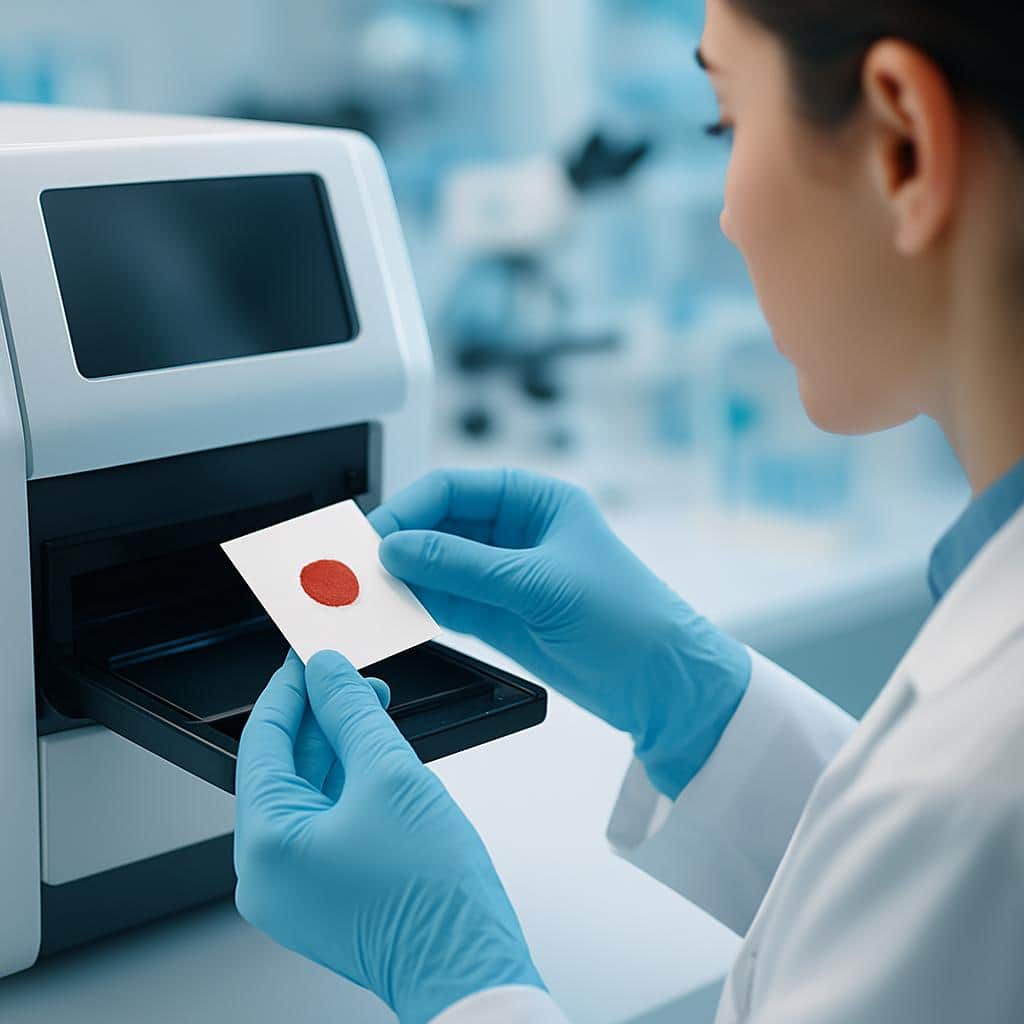
Discover how a menstrual blood test may revolutionize endometriosis diagnosis. Learn about new research and its potential impact on early detection.
Discover if genetic testing could soon help diagnose endometriosis. Learn about new research and what it means for patients seeking answers.
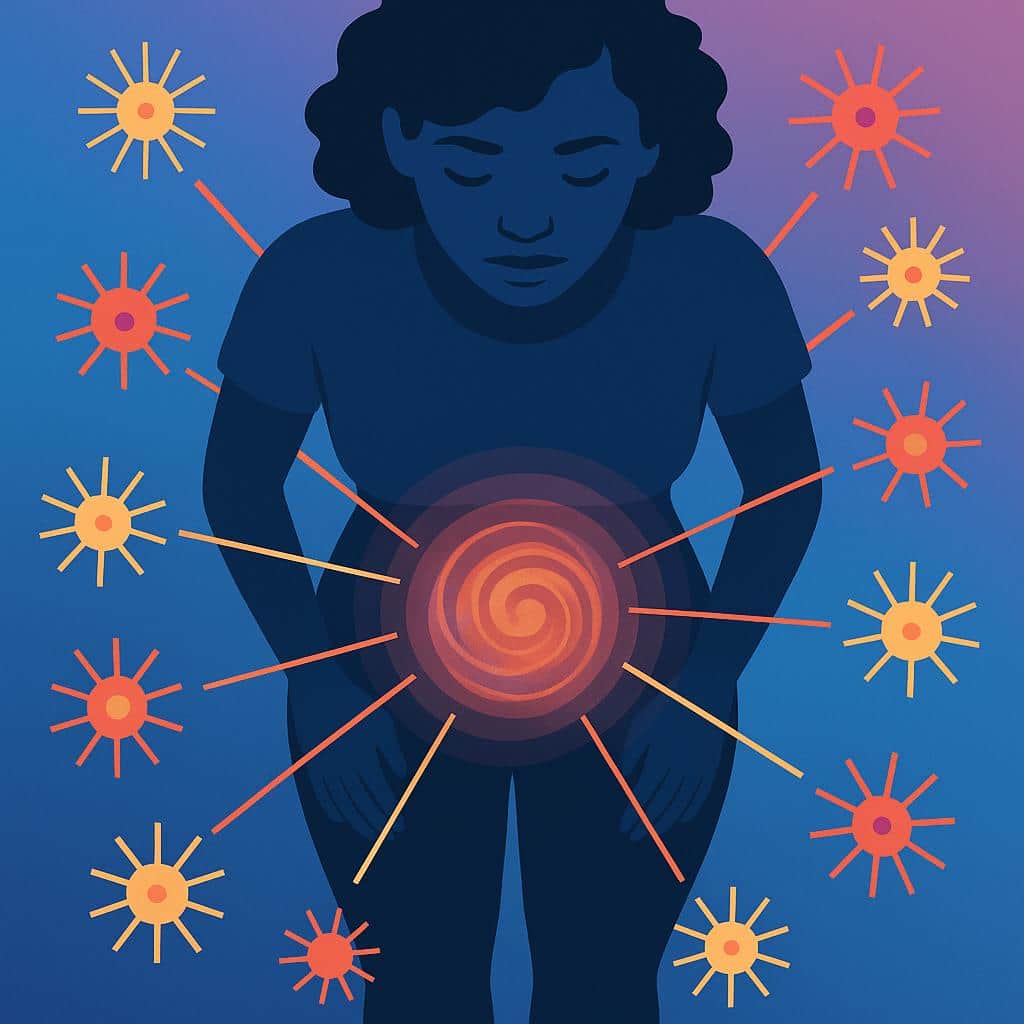
Can MCAS and endometriosis overlap? Explore how mast cells may amplify pelvic pain, what remains unproven, and what to discuss with your doctor.

Discover evidence-based nonhormonal treatments for endometriosis pain. Find options you can try now for effective symptom management.
Discover the latest research on blood tests for endometriosis. Learn how microRNAs could lead to earlier diagnosis and better management.
Discover how mast cells might be contributing to your endometriosis inflammation. Learn about potential future treatments and symptom management.

Discover why endometriosis causes pain and scarring. Learn about TGF-β signaling and its role in symptoms and treatment. Empower your health journey.
Lotus Endometriosis Institute provides California-based surgical evaluation and advanced excision care for patients with suspected endometriosis, adenomyosis, complex pelvic pain, and related conditions.
Many patients contact us from outside California to learn whether traveling for in-person evaluation and possible surgery may be appropriate.
2121 Santa Monica Blvd, Santa Monica, CA 90404
8am - 5pm
Monday - Friday
154 Traffic Way, Arroyo Grande, CA 93420