


Pelvic Floor Physical Therapy After Endometriosis Surgery
Learn when pelvic floor PT may help after endometriosis surgery, which symptoms to discuss with your doctor, and when treatment can safely begin.
10 minute read
Read moreYour options, your surgeon, and how to begin, on one page.
See the overview
Explore all our service offerings from one place.
Browse services
Search expert-written answers, browse by topic, or find information based on where you are in your journey.
Explore All KnowledgeEvidence-based guidance on when and how operative management helps endometriosis: indications, imaging for planning, laparoscopy/robotic and excision techniques, risks, benefits, and recovery, to support informed choices with your care team.
Surgery can play a meaningful role in treating endometriosis when symptoms persist despite medical and supportive care, or when imaging suggests deep infiltrating disease involving the bowel, bladder, or ligaments. Excision performed by an experienced surgeon aims to remove disease thoroughly while protecting vital structures. High-quality preoperative mapping, including Imaging for Surgery, helps surgeons plan the safest and most effective approach.
Excision Surgery differs from ablation because lesions are removed rather than burned, reducing the likelihood of incomplete treatment. Minimally invasive techniques—laparoscopic or Robotic Surgery—allow precise visualization, smaller incisions, and smoother recovery. Surgical decisions depend on symptom patterns, fertility goals, prior treatments, and anatomical findings.
Recovery involves gradual return to activity, symptom monitoring, and personalized pain management. Some patients experience immediate improvement, while others notice changes gradually as inflammation decreases and tissues heal. Surgery is not a universal solution, but when performed for the right indications, it can significantly improve pain, function, and fertility outcomes.
In many multi-organ cases, conservative surgery removes endometriosis and frees organs from scar tissue while preserving the organs themselves. Robotic excision can improve precision, and treatment planning may include other surgical specialists.
Pelvic dissection means carefully separating tissue planes in the pelvis to see normal anatomy and remove endometriosis safely. It may include freeing organs joined by scarring and identifying and protecting the ureters, bowel, bladder and pelvic nerves.
Peritoneal pockets are small indentations or fold-like defects in the thin lining covering the pelvic organs and inner abdominal wall. They can be associated with superficial or early endometriosis, and disease can hide within or around them.
No, endometriosis surgery is not only for fertility. Excision surgery is often performed to relieve pain and other symptoms, restore normal anatomy, or address endometriosis affecting organs like the bowel or bladder. Surgery can also help confirm the diagnosis.
Learn when pelvic floor PT may help after endometriosis surgery, which symptoms to discuss with your doctor, and when treatment can safely begin.

Explore when surgery or IVF is best for endometriosis. Understand the decision-making process and what to consider for fertility and health.

Feeling anxious about endometriosis surgery? Explore calming techniques and insights on managing pre-surgery nerves specific to endometriosis and adenomyosis.

Get ready for your endometriosis surgery with our week-by-week guide. Learn what to schedule, pack, and prepare for a smooth recovery.

Discover why pain persists after endometriosis surgery and explore next steps. Empower yourself with insights on managing symptoms effectively.

Learn how to prevent endometriosis after surgery with a long-term plan for follow-up, hormonal options, fertility goals, and monitoring for recurrence.

Discover what to expect before, during, and after endometriosis surgery. Insights on pain relief, preparation, recovery from reliable recent research.
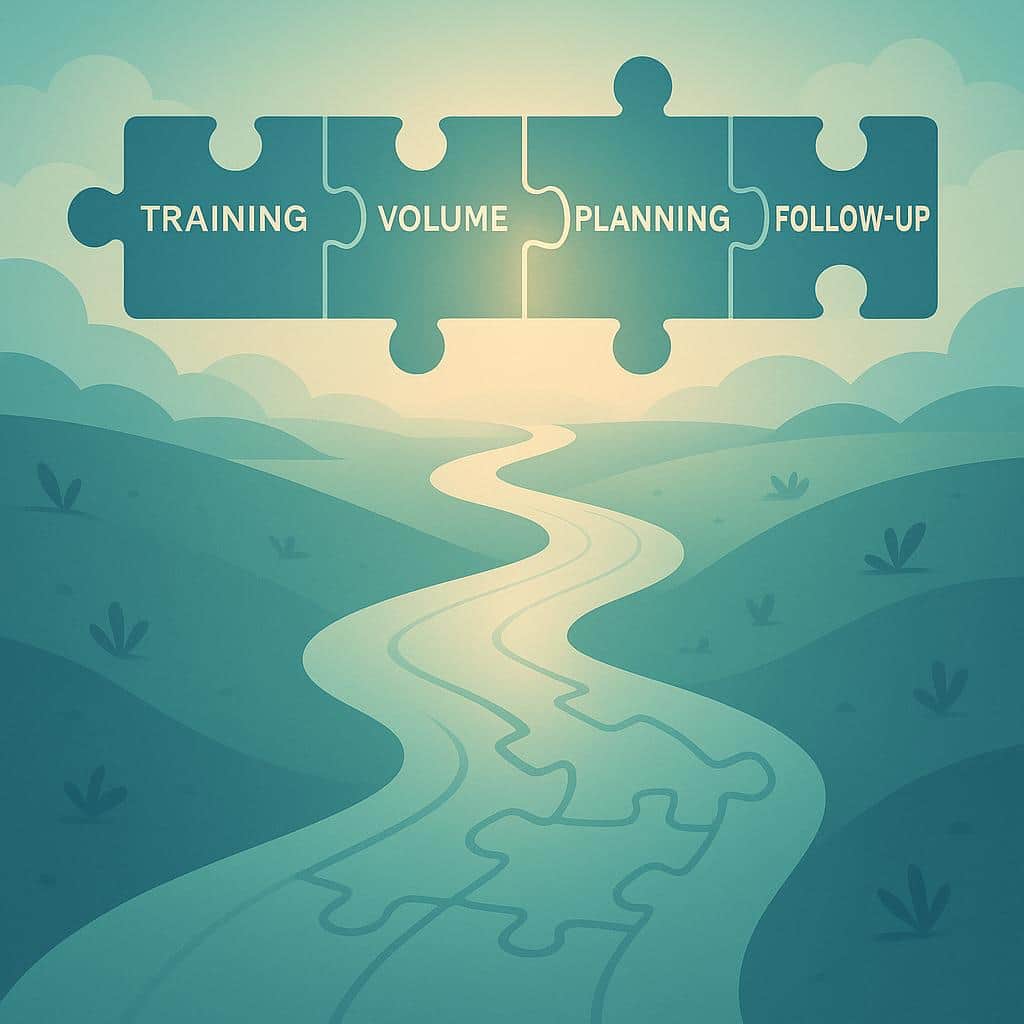
Choosing a surgeon for complex endometriosis surgery? Learn what to ask about excision, bowel and fertility plans, team experience, risks, and follow-up.
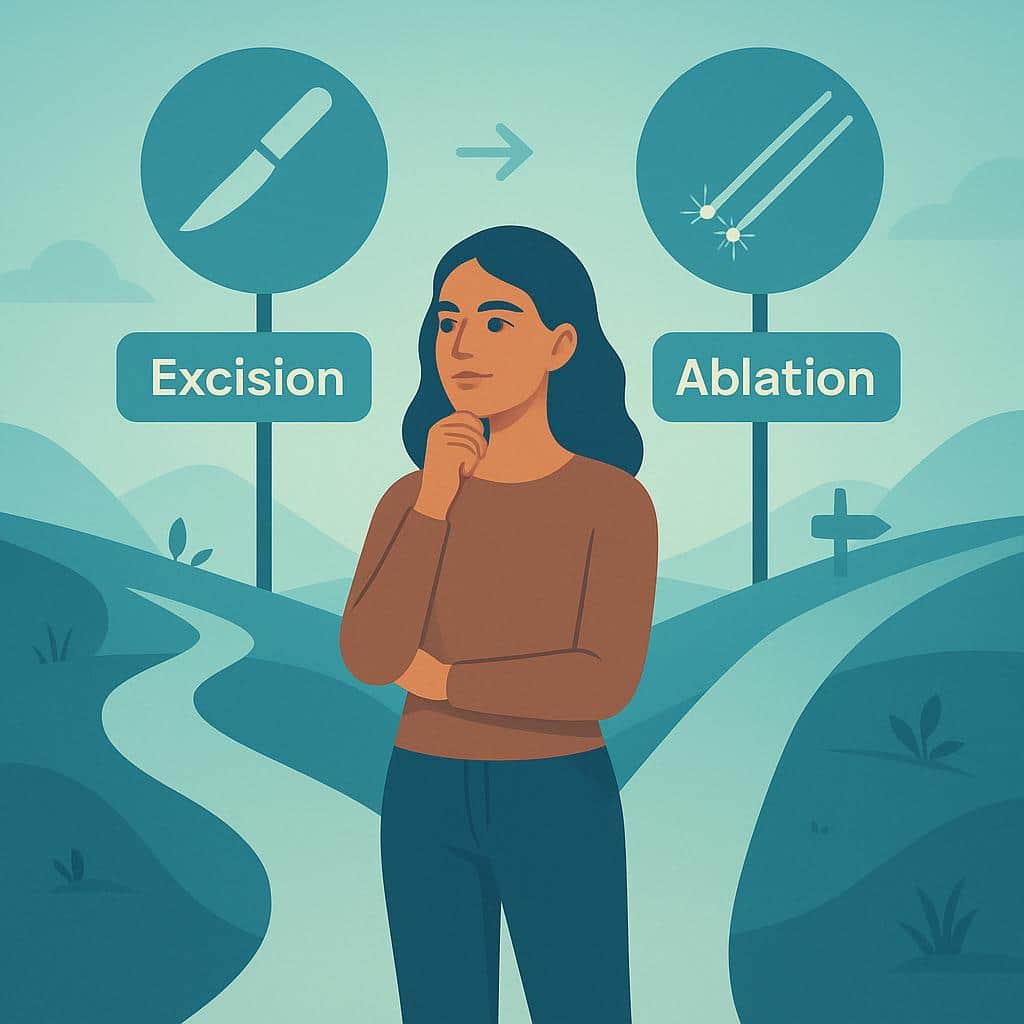
Explore excision vs ablation for endometriosis. Learn about surgery options, pain relief, and making informed choices based on your fertility goals.

Explore whether surgery is necessary for your endometriosis or adenomyosis. Understand the latest research and options for managing your condition.

Discover an investigation plan for post-surgery pain after endometriosis. Learn effective tracking methods to communicate with your care team.

Systemic causes of pain after successful endometriosis surgery. Neuro-immune dysautonomia and other factors affecting recovery.
Lotus Endometriosis Institute provides California-based surgical evaluation and advanced excision care for patients with suspected endometriosis, adenomyosis, complex pelvic pain, and related conditions.
Many patients contact us from outside California to learn whether traveling for in-person evaluation and possible surgery may be appropriate.
2121 Santa Monica Blvd, Santa Monica, CA 90404
8am - 5pm
Monday - Friday
154 Traffic Way, Arroyo Grande, CA 93420