


When Endometriosis Surgery “Fails”: Why Pain Persists and What’s Next
Discover why pain persists after endometriosis surgery and explore next steps. Empower yourself with insights on managing symptoms effectively.
13 minute read
Read moreDiscover how Lotus can guide you toward lasting relief.
Explore why patients choose Lotus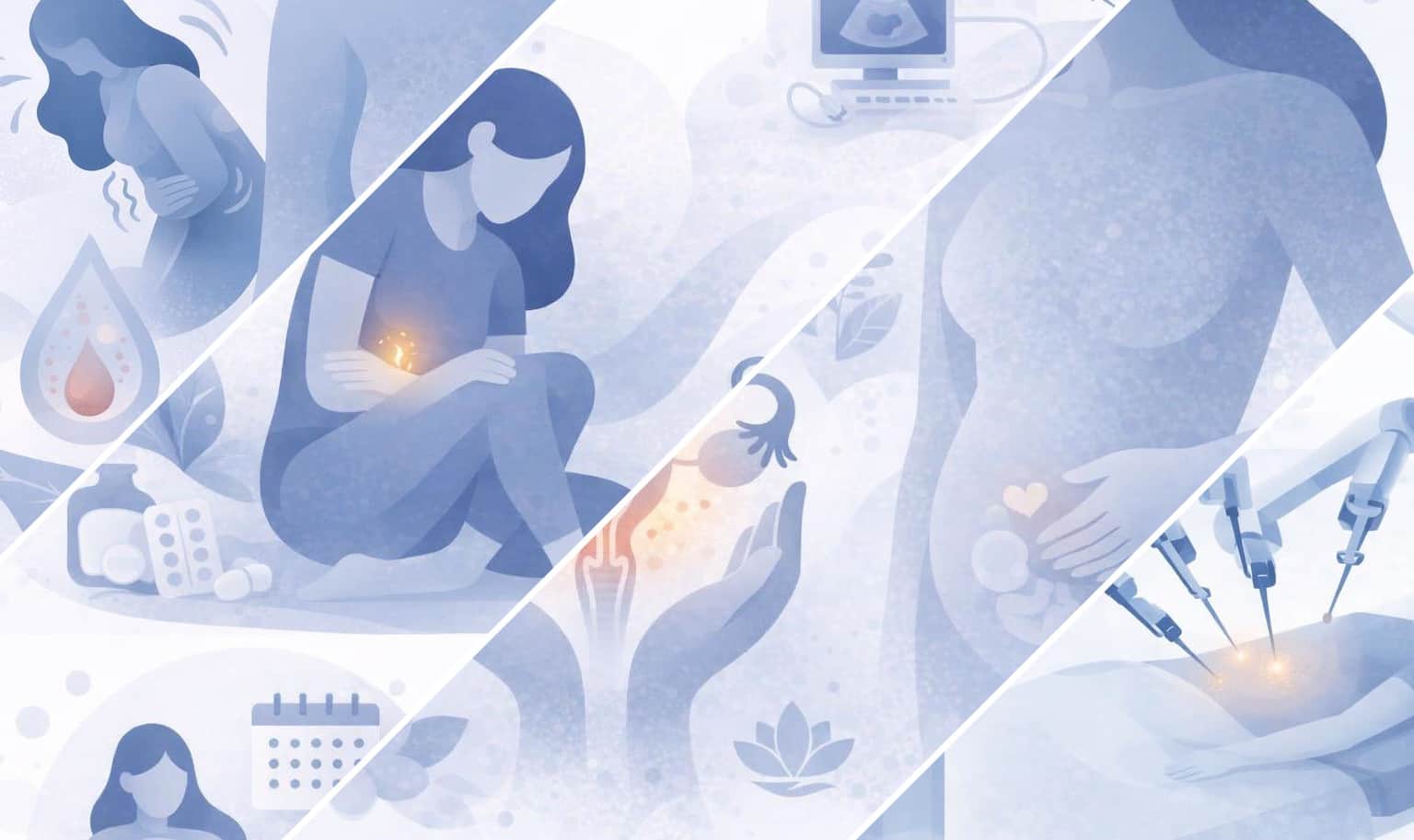
Search expert-written answers, browse by topic, or find information based on where you are in your journey.
Explore All KnowledgeReach out and start your healing journey.
Schedule an AppointmentExplore how endometriosis presents as period, pelvic, sex-related, bowel/bladder, or nerve pain, and what drives each. Find evidence-based relief strategies, practical self-care, and guidance on when to seek specialist care.
Endometriosis and adenomyosis can present as distinct pain types: severe period cramps, chronic pelvic ache, deep pain with sex, bowel or bladder pain during periods, back or leg pain, and nerve‑like burning or shooting sensations. Each pattern has different drivers—prostaglandin‑mediated inflammation, active lesions on pelvic organs, adhesions that tug with movement, pelvic floor muscle spasm, and nerve irritation or sensitization. Adenomyosis often adds heavy bleeding with cramping and a diffuse, pressure‑like uterine pain, and it can coexist with endometriosis.
Recognizing your pain pattern helps target evaluation and care. Deep dyspareunia or pain with bowel movements can cue imaging for deep disease, while urinary pain may point toward bladder involvement or interstitial cystitis. Tracking symptoms across the cycle, noting triggers, and using precise terms improves clinician communication and speeds referral to the right specialist, from pelvic floor therapy to GI or urology. For focused details, see Neuropathic Pain, GI Symptoms, Urinary Symptoms, and Pelvic Floor PT, and explore treatment pathways in Pain Relief and Medical Management.
Adenomyosis symptoms that most disrupt quality of life usually come from two main issues: how the uterus bleeds and how it hurts. Many patients describe heavy or prolonged periods that interfere with work, school, travel, and sleep—sometimes with flooding, frequent pad/tampon changes, and fatigue that can follow significant blood loss. Severe period pain (often more than “normal cramps”) is also common, and it can feel deep, aching, or pressure-like, sometimes accompanied by an enlarged, tender uterus and a sense of pelvic heaviness or bloating.
Outside of the period itself, adenomyosis can contribute to chronic pelvic pain, pain with sex for some people, and bowel or bladder discomfort—especially when symptoms flare around the menstrual cycle. It can also overlap with endometriosis, and when both are present symptoms may intensify or become harder to tease apart. If your day-to-day life is being shaped by bleeding, pain, pressure, or fertility stress, our team can help you sort out whether adenomyosis, endometriosis, fibroids, or more than one condition may be driving the pattern—and what next-step options make sense for your goals.
Feeling so bloated you “look pregnant” along with constant pelvic pressure usually points to more than simple gas—often it’s a pelvic condition creating inflammation, swelling, or a sense of bulk. Endometriosis can irritate the bowel and pelvic lining, trigger scarring that tethers organs, and create the classic “endo belly” sensation that comes and goes (sometimes not perfectly cyclical). Pelvic pressure can also happen when endometriosis involves deeper tissues or nearby organs like the bladder, ureters, or rectum.
Just as important: these symptoms can be driven by endometriosis neighbors or coexisting conditions, especially adenomyosis and fibroids, which can make the uterus feel heavy, full, or “bulky” and add pressure on the bladder and bowel. Ovarian cysts and other benign pelvic findings can contribute, and IBS-like bowel sensitivity can overlap so closely that symptoms alone don’t reliably sort out what’s causing what. Our team focuses on mapping the full picture—uterus, ovaries, bowel, bladder, and pelvic support structures—so treatment targets the true driver(s), not just the most obvious diagnosis.
If this pressure/bloating is persistent, worsening, or changing your ability to eat, move your bowels, or urinate comfortably, it’s a strong reason to pursue a deeper evaluation rather than being told it’s “normal.” You can explore our educational content on bowel symptoms, bladder symptoms, and overlapping conditions, and reach out to schedule a consultation so we can review your history, imaging, and symptom pattern and outline a plan aimed at lasting relief.
Low back and leg pain that predictably flares with your period can happen when pelvic inflammation irritates pain pathways that “refer” into the back, hips, buttocks, and down the leg. In some patients, endometriosis can be part of that story—either indirectly (pelvic inflammation and scarring increasing pressure and sensitivity around nearby nerves) or more directly if disease is affecting areas close to major nerves.
When period-related leg pain resembles sciatica—deep buttock pain, tingling, burning, or pain radiating down the back of the thigh—it raises the possibility of endometriosis-related sciatic irritation or pelvic floor involvement (often described as piriformis-type pressure on the nerve). These symptoms may start before bleeding, peak during the period, and linger afterward, and in more significant cases can be associated with weakness or changes in walking.
Because back and leg pain can also come from the spine, hips, or muscles, the key is the pattern and the full symptom “constellation,” including pelvic pain, bowel/bladder symptoms, or pain with sex. Our team can help you sort out whether your pain fits an endometriosis/adenomyosis pattern and, if needed, plan next-step evaluation such as targeted imaging and a strategy focused on lasting relief rather than temporary suppression.
Pain with sex that flares around your period often points to a hormonally driven pelvic pain source—meaning tissue and nerves in the pelvis become more inflamed and reactive in the days leading up to bleeding and during menstruation. Endometriosis is a common reason: lesions can irritate nearby nerves and organs, and the inflammatory chemicals they produce can amplify pain signals. Adenomyosis (endometrial-like tissue within the uterine muscle) can also make the uterus unusually tender and crampy, so penetration, orgasm-related uterine contractions, or even pelvic pressure can feel painful around that time.
The “where” and “when” of the pain matters. Deep pain with penetration can be related to endometriosis near the uterosacral ligaments, cervix/vaginal fornix, rectovaginal space, bowel, or bladder—especially if scarring or adhesions have altered how those structures move. Pain after sex or after orgasm can happen when pelvic floor muscles spasm or when uterine contractions tug on sensitized areas. If this pattern is recurring, our team can help map your symptom timing and triggers and evaluate for endometriosis, adenomyosis, pelvic floor dysfunction, and overlapping bladder/bowel involvement so treatment targets the real driver of your pain rather than just masking it.
Severe, life-disrupting period pain isn’t “normal cramps,” and it often points to an underlying driver that deserves a real explanation—not just symptom masking. One common cause is endometriosis, where tissue similar to the uterine lining grows outside the uterus and can irritate pelvic structures, trigger inflammatory chemicals, and sometimes involve organs like the bowel or bladder. Another key point is that pain severity doesn’t reliably match “stage,” so someone can have intense pain even if imaging looks normal or disease appears limited.
When period pain is severe, worsening over time, starts years after your first period, or comes with heavy bleeding, painful sex, bowel pain with periods, urinary pain, or fatigue, we think in patterns—because endometriosis and related conditions can overlap with pelvic floor dysfunction, nerve pain/central sensitization, GI dysbiosis, vascular issues, or adenomyosis. Our approach is to take your full timeline and flare pattern seriously and then tailor evaluation with careful exam and expertly interpreted imaging when helpful. If your pain is disrupting school, work, relationships, or daily functioning, reach out to schedule a consultation—our team can help you identify what’s driving it and map out a plan aimed at lasting relief.
Endometriosis flare-ups don’t have one “usual” length—some people feel a spike in symptoms for a few hours to a couple of days, while others have flares that stretch across an entire cycle window or blend into more constant pain. Many flares track with hormonal shifts (often before and during a period), but bowel, bladder, pelvic floor, or nerve-related pain can flare at different times and may not follow a neat calendar pattern.
When flares start lasting longer or happening more often, it can be a sign that multiple pain drivers are stacking—ongoing inflammation from lesions, adhesions/fibrosis that can “tether” organs, and sometimes central sensitization, where the nervous system becomes more reactive over time. That’s why symptom management alone can feel like a band-aid if active disease is still present. If you’re noticing prolonged, unpredictable, or escalating flares, our team can help you map your pattern, identify what’s likely driving it, and discuss a plan that addresses both symptom control and the underlying endometriosis.
“Endo belly” can last anywhere from a few hours to several days, and for some people it can linger longer or feel nearly constant during certain parts of the month. The duration often depends on what’s driving it for you—hormone-linked inflammation around ovulation or a period, bowel slowing/constipation, pelvic adhesions restricting organ movement, or a combination. Many patients notice it waxes and wanes, sometimes changing noticeably within the same day.
If your bloating is predictable and cyclical, that pattern can be a clue that endometriosis or adenomyosis-related inflammation is playing a major role—even when imaging looks “normal.” If it’s frequent, severe, or paired with bowel or bladder symptoms (pain with bowel movements, urinary urgency, rectal pressure), it can also suggest deeper pelvic disease or significant inflammation affecting nearby organs. Our team can help you sort out whether your “endo belly” is primarily hormonal, GI-driven, or related to pelvic disease that may benefit from targeted treatment, including excision when appropriate—reach out to schedule a consultation and we’ll map your symptoms to a clear plan.
Endometriosis itself doesn’t create a specific, recognizable “type” of blood clot you can identify just by looking. The clots you pass during a period are usually clotted menstrual blood mixed with pieces of shed uterine lining, so they can look dark red to deep brown, jelly-like, stringy, or like thicker “chunks”—and this can happen with or without endometriosis.
What matters more than appearance is the pattern that comes with it. If you’re seeing clots along with heavy or abnormal bleeding, severe or worsening period pain, pain with sex, bowel or bladder symptoms, or pelvic pain that isn’t limited to bleeding days, that combination can fit with endometriosis (and can also overlap with other conditions like adenomyosis or fibroids). If this is what you’re experiencing, our team can help you sort out the likely drivers and discuss what a thorough evaluation and long-term treatment plan can look like—including when minimally invasive excision surgery is worth considering.
Discover why pain persists after endometriosis surgery and explore next steps. Empower yourself with insights on managing symptoms effectively.
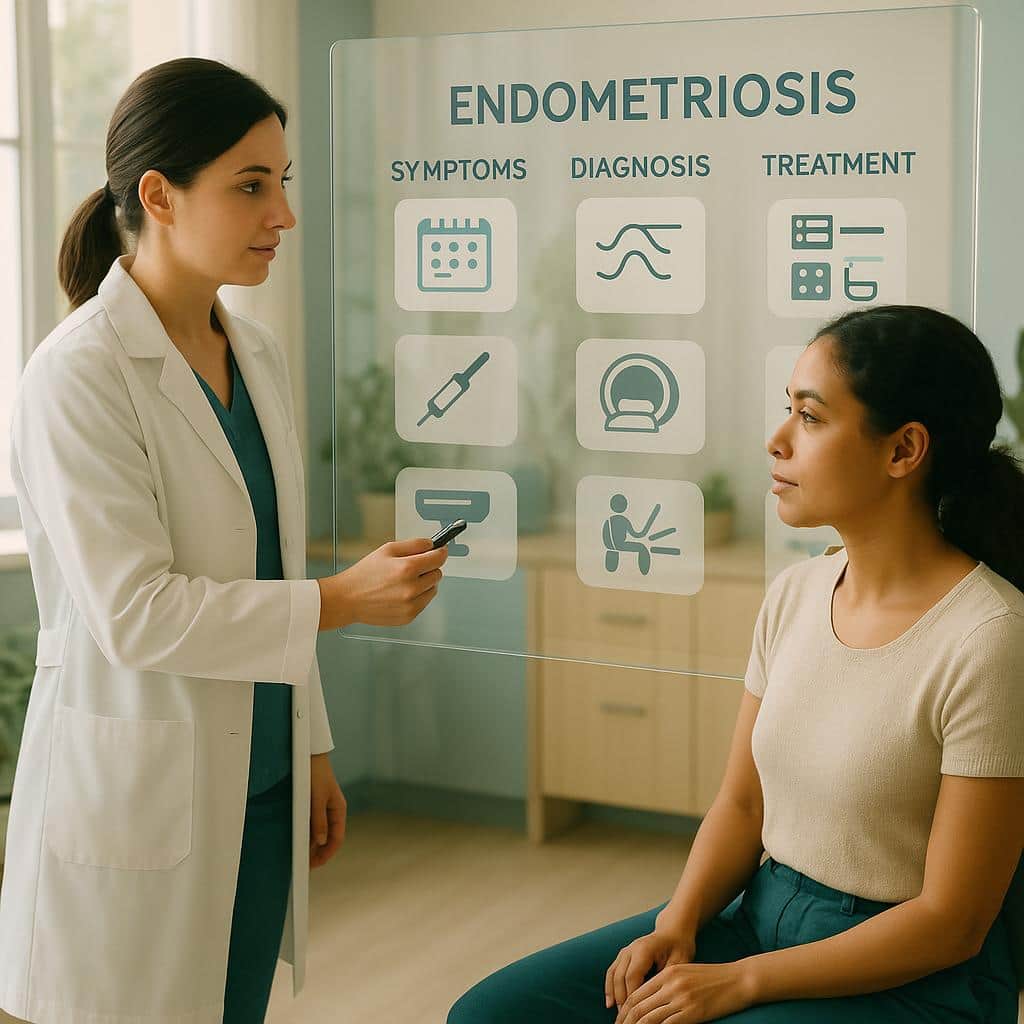
Recognize endometriosis: painful periods, GI and urinary symptoms, dyspareunia, infertility. Understand causes, complications, diagnosis, and medical/surgical treatment options.
Explore types of endometriosis pain, evaluation, and evidence-based treatments, including triggers, pelvic floor therapy, CNS sensitization, and adenomyosis.

Learn what ovulation pain feels like with endometriosis, how long it lasts, common symptoms like nausea and mittelschmerz, and evidence-based coping strategies.
Why orgasms can trigger endometriosis pain: how to ease post-sex discomfort. Causes, symptoms, meds, pelvic floor therapy, surgical options, and sex tips.
Lotus Endometriosis Institute provides California-based surgical evaluation and advanced excision care for patients with suspected endometriosis, adenomyosis, complex pelvic pain, and related conditions.
Many patients contact us from outside California to learn whether traveling for in-person evaluation and possible surgery may be appropriate.
2121 Santa Monica Blvd, Santa Monica, CA 90404
8am - 5pm
Monday - Friday
154 Traffic Way, Arroyo Grande, CA 93420