


Adenomyosis Explained: Understanding Symptoms, Diagnosis, and Care
Learn what adenomyosis is, association with endometriosis, how it's diagnosed, differences from endometriosis, and treatment and fertility options.

This series demystifies adenomyosis for patients newly diagnosed or hearing the word for the first time. We’ll clarify what adenomyosis really is, why it’s often missed, and how it’s different from conditions like endometriosis. Each post covers the journey from symptoms and diagnosis to the full range of treatment options, including effects on fertility. Our goal is to empower you with reliable, patient-focused information and help you advocate for your best care.
Posts in This Series (5)
What Adenomyosis Is—and Why Is It Missed?

Adenomyosis happens when tissue similar to the uterine lining grows into the uterine muscle (myometrium). It behaves like a whole-uterus condition, driven by estrogen and inflammation, and often involves “progesterone resistance,” which can make symptoms persistent and management more long-term.
Pain can come from real changes in uterine muscle: increased fibrosis (stiffening) and signaling that promotes stronger contractions, alongside reduced pathways that help the muscle relax. Symptoms can be significant even when imaging findings look subtle, and adenomyosis can overlap with endometriosis—so ongoing pelvic pain, heavy bleeding, or fertility stress deserves a focused evaluation rather than dismissal.
Two Conditions That Can Look Alike

Adenomyosis and endometriosis both involve tissue that behaves like the uterine lining, responding to hormones and driving inflammation, pain, and fatigue. The core difference is where it grows: adenomyosis grows into the uterine muscle wall (myometrium), while endometriosis grows outside the uterus (ovaries, pelvic lining, bowel, deeper tissues).
Symptoms overlap, but patterns can help:
- Adenomyosis: heavy or prolonged bleeding, tender/enlarged “globular” uterus, cramps tied closely to bleeding
- Endometriosis: deep pain with sex, bowel or bladder symptoms, pain that can be severe even without heavy bleeding
They commonly occur together, especially in people evaluated for pelvic pain, heavy bleeding, or infertility—so it’s reasonable to assess for both, using the most reliable diagnostic tools available.
What Diagnosis Really Looks Like in Practice
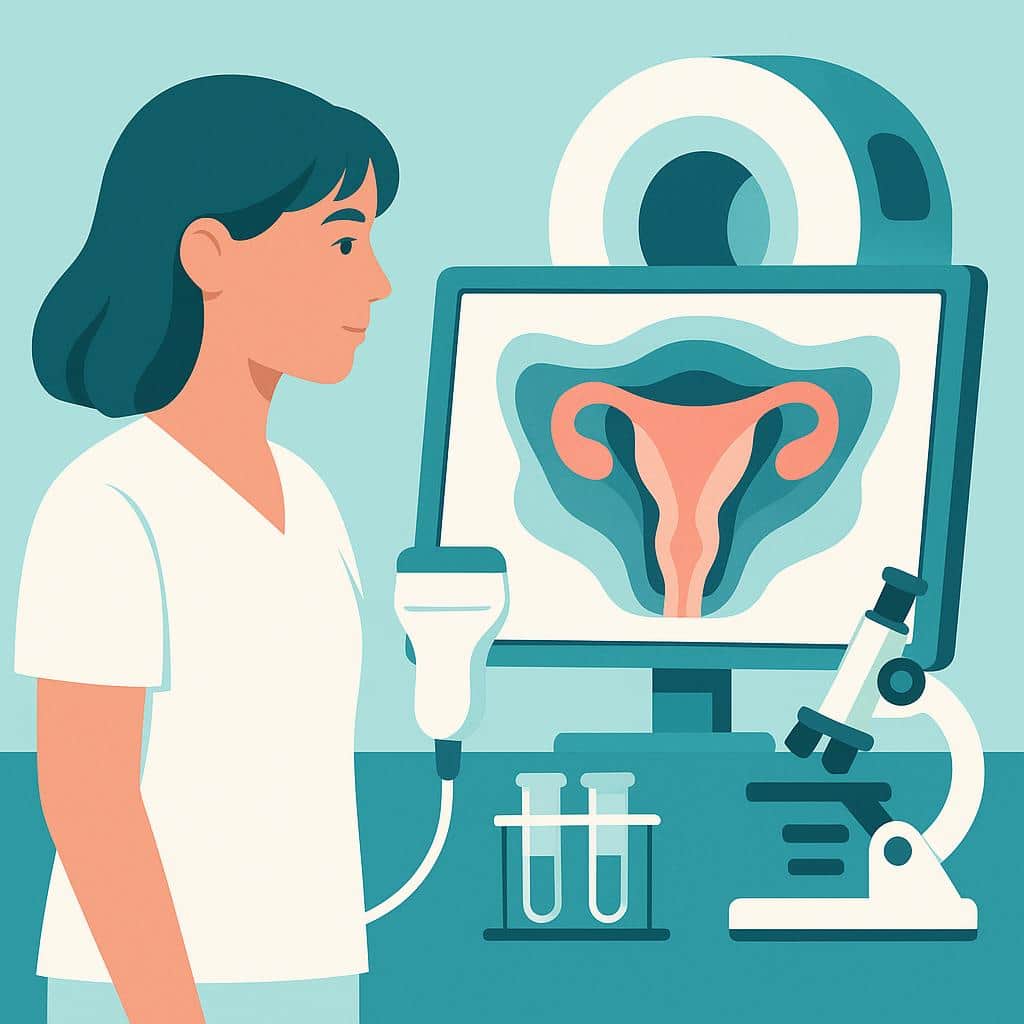
Adenomyosis is usually diagnosed by combining your symptom pattern, a pelvic exam, and imaging—not a single definitive “yes/no” test. Tissue confirmation under a microscope is the historical gold standard, but it typically requires hysterectomy, so modern care often uses an evidence-based best-fit diagnosis to guide treatment.
Transvaginal ultrasound is usually the first-line test, and accuracy depends heavily on scan technique, equipment, and the sonographer’s experience—especially when fibroids or endometriosis are also present. MRI can be used when ultrasound is unclear, to map disease extent, or to support treatment planning and fertility discussions.
Choosing the Right Treatment Path

Adenomyosis treatment is tailored to your symptoms, anemia risk, and fertility goals. Many people start with medical therapy to reduce bleeding and pain, then consider procedures if symptoms persist or the uterus is significantly enlarged.
Common options include:
- Hormonal IUD (levonorgestrel IUD): often first-line for heavy bleeding and cramping
- Other hormonal suppression: pills, progestins, or injections to quiet cycles
- Uterine-sparing procedures: adenomyomectomy or targeted excision in selected cases when fertility is desired
- Hysterectomy: definitive treatment when childbearing is complete and symptoms are severe
Expect a stepwise plan, side-effect counseling, and follow-up to confirm bleeding control and pain relief.
How Can Adenomyosis Affect Conception And Pregnancy?

Adenomyosis can make it harder to conceive or maintain a pregnancy for some people, but outcomes vary based on the adenomyosis disease pattern (focal vs diffuse), junctional zone involvement, age, and ovarian reserve. Changes within the uterine muscle and lining can disrupt normal “receptivity” during the implantation window, including impaired maturation of the endometrium and weaker stromal decidualization.
In IVF, observational studies often show lower clinical pregnancy and live birth rates and higher miscarriage rates in patients with adenomyosis—especially with diffuse disease or junctional zone thickening. Planning care works best when you separate uterine factors from ovarian/embryo factors and review imaging details to guide fertility-sparing options and timing.
Adenomyosis can shape pain, bleeding, energy, intimacy, and fertility—and it’s often dismissed as “normal.” You deserve care that treats your symptoms as real and your goals as central.
Clarity changes outcomes: a careful evaluation, the right imaging and expertise, and a plan tailored to your life can reduce suffering and protect what matters to you—whether that’s symptom relief, preserving fertility, or both.
Get clarity on adenomyosis—today
If heavy bleeding, pelvic pain, or fatigue has been dismissed or confusing, you’re not alone. We can assess your symptoms with a targeted exam annd/or imaging review, explain how adenomyosis differs from endometriosis, and build a treatment plan that fits your goals—including fertility and reducing pain.
Schedule a Consultation