Deep Disease
Can endometriosis cause urinary urgency or bladder pain?
The short answer
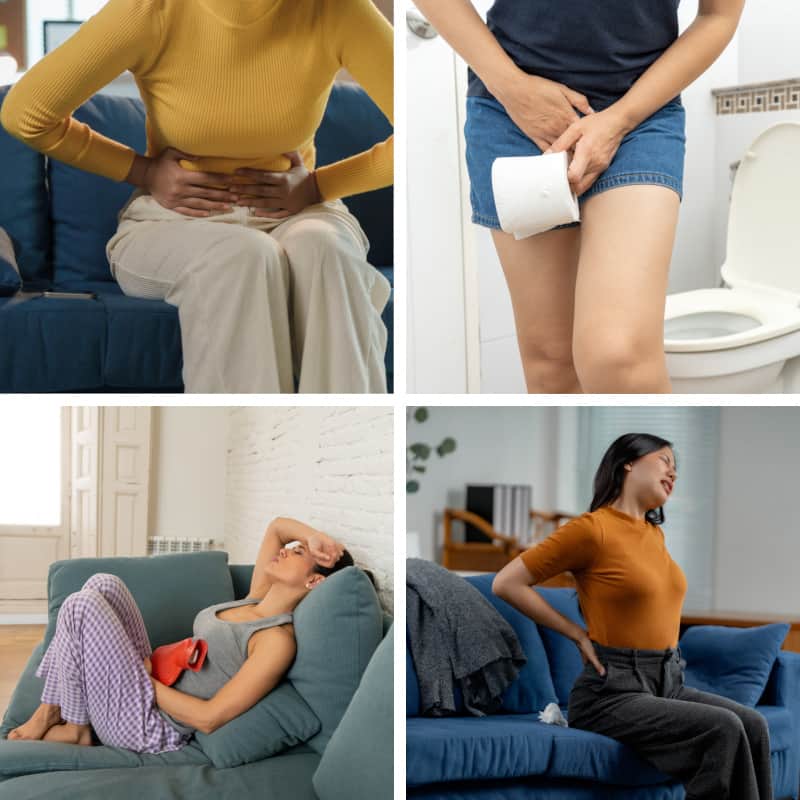
Yes, endometriosis can cause urinary urgency, frequency, and bladder pain, even with normal urine cultures. Symptoms may flare around periods or remain constant, but similar symptoms can also come from bladder pain syndrome or pelvic floor dysfunction.
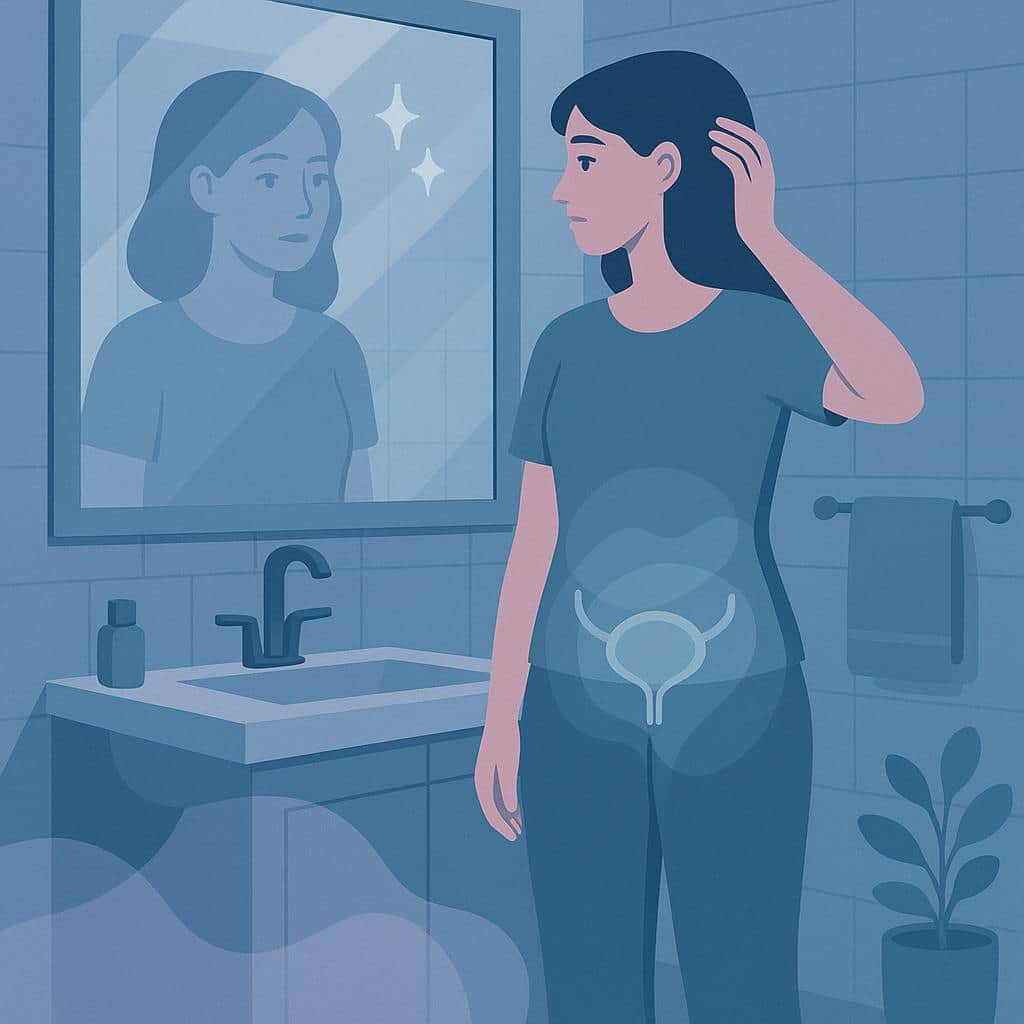
Yes, endometriosis can cause urinary urgency, frequency resembling an overactive bladder, and bladder pain, even when routine urine tests and cultures are normal. In some people, it involves the bladder wall as a form of deep endometriosis, causing burning or painful urination (dysuria) and heaviness or pressure low in the pelvis, called suprapubic pain.
Symptoms may flare before or during a period, remain more constant, or involve mostly pelvic pain with minimal urinary complaints. Blood in the urine can occur, but its absence does not rule out bladder involvement.
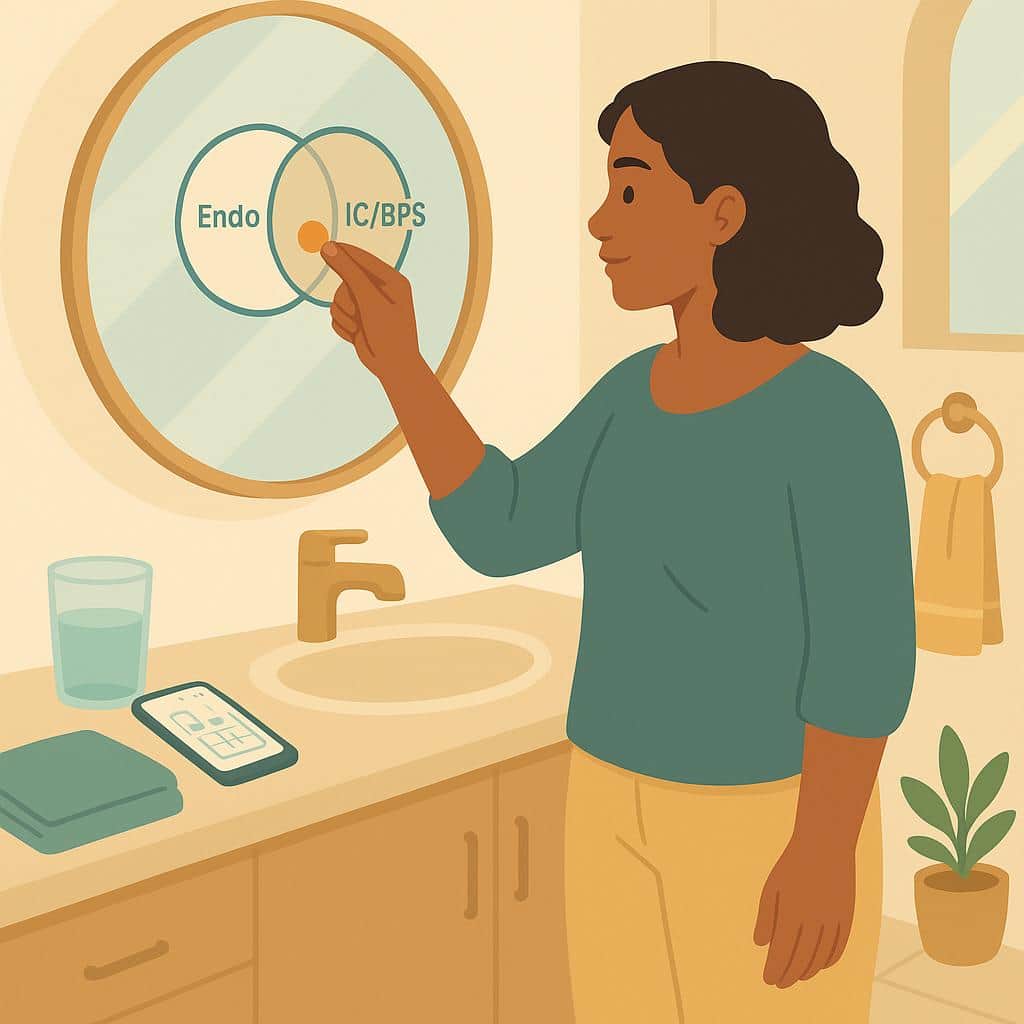
Bladder endometriosis often overlaps with deeper pelvic disease, but urinary symptoms alone do not establish the cause: interstitial cystitis/bladder pain syndrome, pelvic floor dysfunction, and other pelvic pain conditions can cause similar symptoms or coexist. We assess the full symptom story, including timing, triggers, and responses to prior treatments, and, when warranted, use expert-interpreted ultrasound or MRI to examine the bladder and nearby structures.
Treatment depends on what is driving the symptoms and may include medication, pelvic floor therapy for associated dysfunction, or surgery for bladder endometriosis, tailored to the findings and your goals. If persistent urgency or bladder pain sounds familiar, you’re welcome to schedule a consultation with our team to explore the cause and appropriate treatment options.
Where to go from here
Understand it, compare it with what you're feeling, then talk it through with us.
Compare
Symptoms it can relate to
Speak with Us
Bladder Pain? We Can Help
Urinary urgency and bladder pain may be linked to deep endometriosis affecting the bladder wall. Our specialists are experienced in diagnosing and treating bladder-related endometriosis symptoms to bring you relief.
Questions people ask next
All deep disease questionsCan endometriosis cause bladder pain with a normal urine test?
Yes, endometriosis can cause bladder pain even when urine tests and cultures are normal. Symptoms may be driven by inflammation, sensitive pelvic nerves, tight pelvic floor muscles, or endometriosis on or near the bladder.
UTI or endometriosis bladder irritation: how can I tell?
Urine testing, especially a culture, helps distinguish a UTI from endometriosis-related bladder irritation. A UTI often improves with the right antibiotic, while endometriosis symptoms may flare around your period despite negative cultures and no lasting antibiotic relief.
Could pelvic pain be IC or bladder pain syndrome?
Yes, pelvic pain can come from interstitial cystitis/bladder pain syndrome (IC/BPS), especially if it worsens as the bladder fills and improves after peeing. Urinary symptoms can also overlap with endometriosis or adenomyosis, and more than one condition can contribute.
Can pelvic floor dysfunction cause bladder urgency or constipation?
Yes, pelvic floor dysfunction can cause bladder urgency or contribute to constipation. When these muscles are tight, overactive, or not coordinating well, they can interfere with bladder and bowel emptying, leading to straining or a feeling of incomplete emptying.
Further reading
Bladder Endometriosis: Symptoms, Diagnosis, and Treatment Options
Learn about bladder endometriosis, its symptoms, diagnosis, and treatment options. Understand the complexities to find effective pain management solutions.
Endometriosis and Bladder Pain - Why Your Pelvic Pain Persists
Pelvic pain despite endometriosis treatment? Learn the bladder pain syndrome (IC/BPS) overlap, signs your bladder is involved, and next steps for relief.
Could Bladder Endometriosis Explain Your “Mystery” Urinary Pain?
Explore how bladder endometriosis may explain your urinary pain. Understand symptoms, diagnosis, and treatment options for better pain management.