

Diagnosis
Can a colonoscopy detect bowel endometriosis?
The short answer
Colonoscopy cannot reliably confirm or rule out bowel endometriosis because most lesions are outside the bowel’s inner lining. Ultrasound or MRI may help map disease, while colonoscopy may assess bleeding, unexplained anemia, or bowel habit changes.
Colonoscopy cannot reliably confirm or rule out bowel endometriosis, so suspected bowel endometriosis symptoms do not usually require it. Most disease is on the outside of the bowel or within its wall, most often in the rectum and sigmoid, so colonoscopy can look completely normal even when symptoms are significant.
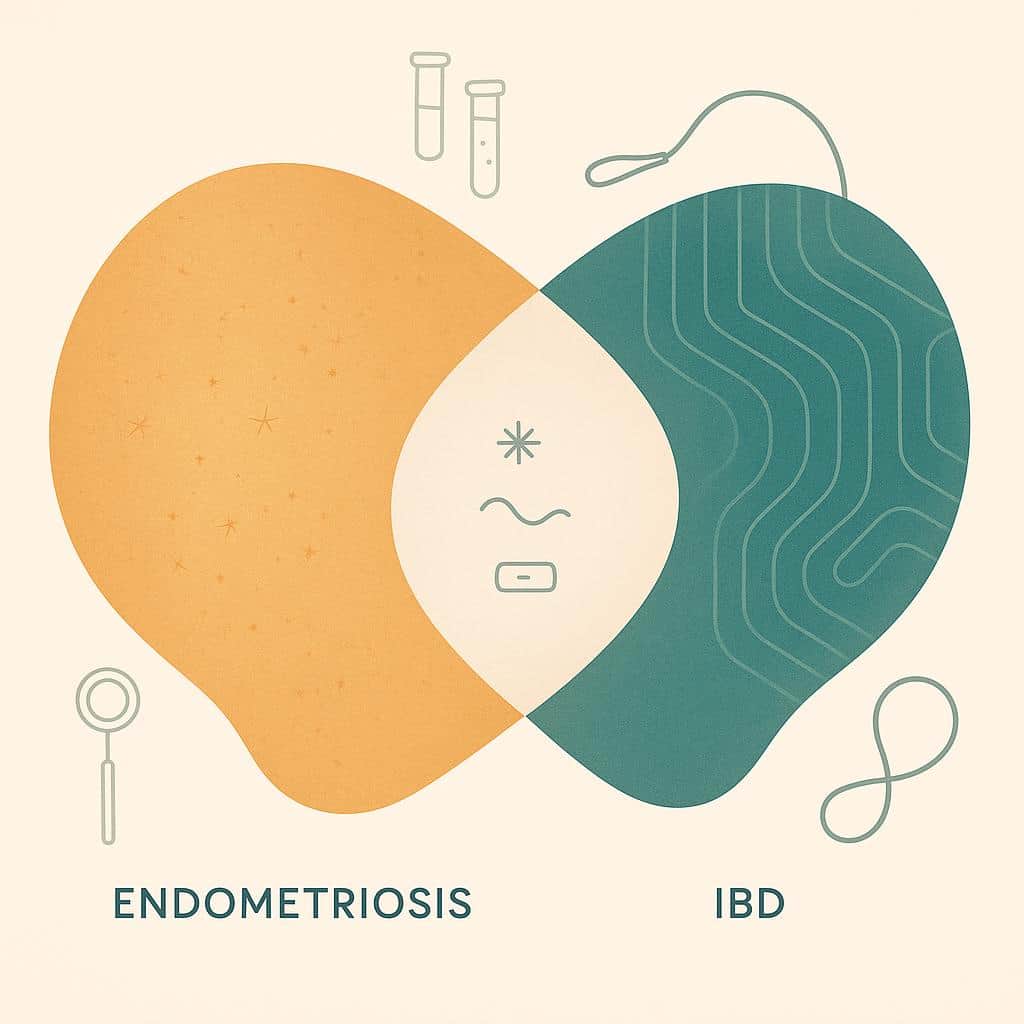
Colonoscopy evaluates the colon’s inner lining and may be appropriate when symptoms suggest a different or coexisting gastrointestinal condition, such as inflammatory bowel disease, or when there are red flags such as rectal bleeding, unexplained anemia, or significant changes in bowel habits.
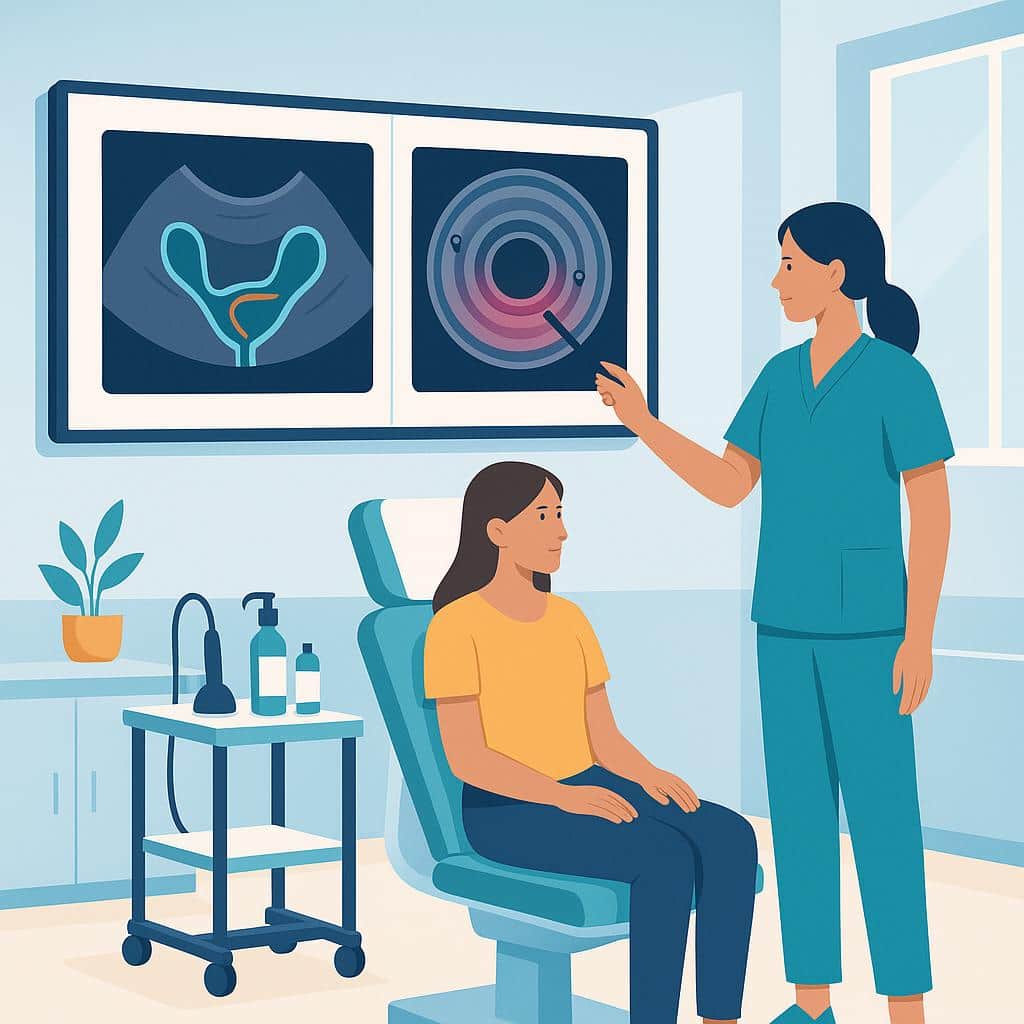
We start with your full symptom history and cycle pattern to guide testing. Imaging can be helpful when GI symptoms are severe, persist despite treatment, or suggest deeper endometriosis affecting the bowel or nearby structures. Expertly interpreted pelvic ultrasound or MRI may support a working diagnosis, clarify anatomy, map suspected deep disease, and help plan next steps.
If you’re unsure whether your symptoms fit bowel endometriosis, another GI condition, or both, we invite you to contact us to discuss a diagnostic plan and which tests may be useful.
Where to go from here
Understand it, compare it with what you're feeling, then talk it through with us.
Compare
Symptoms it can relate to
Speak with Us
Worried About Bowel Symptoms?
Colonoscopy often misses bowel endometriosis since it usually affects outer tissues. Our specialists provide tailored exams to accurately diagnose and guide your care.
Questions people ask next
All diagnosis questionsNormal colonoscopy but bowel symptoms—could it be endometriosis?
Yes, endometriosis can still be a real possibility even if your colonoscopy was normal. Colonoscopy mainly checks the bowel’s inner lining, but bowel endometriosis more often lives on the outside or in deeper layers, where it can still cause bowel symptoms.
What are the symptoms of bowel endometriosis?
Bowel endometriosis can cause lower abdominal or pelvic pain, bloating, constipation and/or diarrhea, nausea, and pain with bowel movements. Symptoms may fluctuate with your menstrual cycle, and some people notice rectal bleeding, especially around menstruation.
Can a CT scan detect bowel endometriosis?
Sometimes, but a CT scan is not reliable for diagnosing or ruling out bowel endometriosis. Many lesions won’t be visible, so evaluation typically relies more on symptoms, a targeted pelvic exam, and expertly interpreted ultrasound and/or MRI.
Can imaging predict if I’ll need bowel, bladder, or ureter surgery?
Yes, high-quality pelvic ultrasound and MRI can often help anticipate whether bowel, bladder, or ureter surgery may be needed. Imaging helps plan the safest approach, but the definitive assessment and exact surgical plan are confirmed during surgery.
Further reading
Bowel Endometriosis: Causes, Symptoms, and Treatment
Bowel endometriosis explained: locations, symptoms, causes, diagnosis and misdiagnosis, plus treatments from minimally invasive surgery to lifestyle changes.
Endometriosis or Inflammatory Bowel Disease? The Key Differences
How endometriosis and inflammatory bowel disease differ and overlap. Symptoms, diagnostic challenges, epidemiology, treatment risks, and research gaps.
Do You Need Two Ultrasounds Before Bowel Endometriosis Surgery?
How TVS (transvaginal) and ERUS (endorectal) map rectal endometriosis, guide bowel surgery planning, flag stenosis and risks, and who benefits.