



Bowel Endometriosis: Causes, Symptoms, and Treatment
A clear guide to symptoms, causes, diagnosis, treatment options, and day-to-day coping.
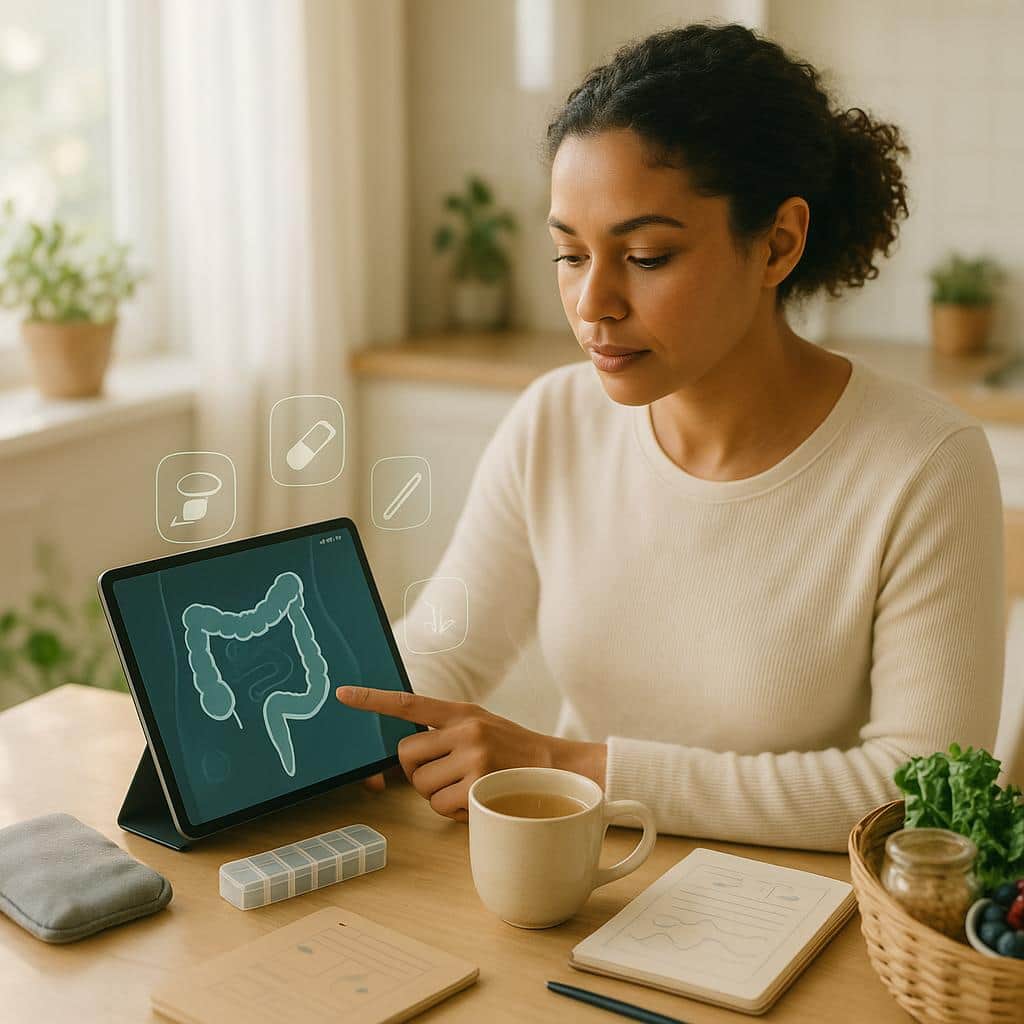
Understanding the Pain and Symptoms of Bowel Endometriosis
Endometriosis affects roughly 11% of women worldwide, predominantly those of reproductive age. A more specific manifestation is bowel endometriosis, which impacts around 5% to 12% of individuals diagnosed with endometriosis. This guide explores the nature of bowel endometriosis, including what it feels like, its symptoms, possible causes, how it is diagnosed, and current treatment approaches.
What Is Bowel Endometriosis?
Bowel endometriosis occurs when endometrial-like tissue, which typically grows inside the uterus, develops on or within the bowel walls. This involvement can produce a range of gastrointestinal symptoms that may substantially diminish quality of life. In many cases, bowel symptoms arise due to intensely inflammatory endometriosis lesions on the peritoneum in the pelvis and abdomen, even without direct bowel implants.
Where Does Bowel Endometriosis Occur?
The rectum and sigmoid colon are affected in approximately 90% of bowel endometriosis cases. Other sites can include the appendix, small intestine, stomach, and additional portions of the large intestine.
Symptoms of Bowel Endometriosis
The symptoms often resemble those seen with other gastrointestinal disorders, including small intestinal bacterial overgrowth (SIBO), which can complicate and delay diagnosis. Symptom intensity can range from mild to severe and frequently fluctuates with the menstrual cycle.
Common bowel-related symptoms can include abdominal pain—particularly in the lower quadrants—bloating often called “endo belly,” changes in bowel movements such as constipation or diarrhea, nausea and vomiting, pain during bowel movements that may increase during menstruation, and rectal bleeding.
Non-bowel symptoms may occur as well. These can include chronic pelvic pain, difficulties with fertility, painful sexual intercourse, pain during urination, a sensation of pelvic heaviness, fatigue, and impaired psychological well-being.
Causes of Bowel Endometriosis
The exact cause remains unknown. Two often-quoted theories are Mullerianosis of embryogenic origin and retrograde menstruation. Mullerianosis of embryogenic origin proposes that developmental abnormalities place cells in atypical locations that later become endometriosis, with potential genetic, genomic, and immunologic influences. Retrograde menstruation suggests menstrual blood can flow backward through the Fallopian tubes into the pelvis, potentially leading to endometriosis. Because most women experience retrograde menstruation while only about 10% develop endometriosis, this theory alone is considered antiquated and has been challenged. It is more likely that a combination of embryologic, molecular, immunologic, and genetic factors underlies the condition, and this mix may vary between individuals.
Diagnosis of Bowel Endometriosis
Diagnosis is often complex. Clinicians typically use a combination of detailed symptom history, physical examination, imaging such as ultrasound or MRI, and sometimes minimally invasive laparoscopic or robotic surgery. Delays in diagnosis are common due to overlap with other gastrointestinal conditions. Imaging can aid diagnosis and help map disease for surgery, but it is not reliable enough to exclude the diagnosis of endometriosis.
Misdiagnosis
Misdiagnosis frequently occurs, with irritable bowel syndrome (IBS) and other gastrointestinal disorders often suspected first. A high index of suspicion is essential, and bowel symptoms that correlate with the menstrual cycle warrant careful evaluation.
Struggling with bowel endometriosis?
Our specialists are here to help you understand your condition and explore your treatment options.
Book Your ConsultationThe Role of Minimally Invasive Surgery
Surgery with biopsy is considered the “gold standard” for diagnosing endometriosis, including bowel involvement. This approach can provide a more accurate assessment and clarify the extent of scar tissue and endometrial-like tissue. Ideally, the surgeon should be prepared to perform therapeutic surgery at the same time as diagnostic surgery. A poorly executed procedure is worse than no procedure at all if the surgeon is unprepared and resorts to fulguration (burning) of lesions instead of proper excision. If diagnostic surgery reveals disease that the surgeon is not prepared to excise appropriately, it is better to conclude the procedure and refer the patient to an appropriate surgeon.
Treatment of Bowel Endometriosis
Treatment often involves surgery, as medical management has generally been deemed ineffective for these specific lesions. The surgical approach depends on the extent and location of disease. In many cases, hormonal options may also be recommended after surgery to reduce recurrence risk; while better surgery reduces the likelihood of needing postoperative hormonal therapy, there are exceptions.
Surgical Treatment
Surgical management typically aims to remove all peritoneal lesions using an excisional technique. In cases of deeply infiltrating endometriosis, the strategy may differ based on whether the rectal wall or the mesentery—where the blood vessels to the rectum are located—is involved. Options include shaving, nodulectomy, disc resection, and bowel resection. The operating surgeon should be capable of performing any of these procedures as required. In some situations, the primary excision surgeon can address bowel disease if they have the appropriate bowel surgery training and hospital privileges; in other cases, a second surgeon may serve as part of a backup team. It is best to discuss the potential need for bowel surgery and available options before the operation rather than facing an emergency during surgery when the right specialists may not be immediately accessible.
Lifestyle Changes
Lifestyle adjustments may help manage symptoms alongside medical and surgical care. Some people find that particular foods or habits—such as stress or irregular sleep—trigger symptoms. Tracking potential triggers in a journal and consulting a healthcare provider or nutritionist when considering dietary changes can be beneficial.
Coping with Bowel Endometriosis
Living with bowel endometriosis can be challenging, but with accurate diagnosis, appropriate treatment, and effective symptom management, individuals can lead fulfilling lives. Open communication with healthcare providers about symptoms and concerns supports timely diagnosis and informed treatment planning.
In summary, bowel endometriosis is a painful and often misunderstood condition. Greater awareness and understanding can promote earlier diagnosis, more effective treatment, and better quality of life. If you suspect bowel endometriosis or recognize any of the described symptoms, seek medical advice without delay.
References
Surgical Outcomes after Colorectal Surgery for Endometriosis: A Systematic Review and Meta-analysis DOI: 10.1016/j.jmig.2025.12.009
Quick Answers
How is multi-organ endometriosis treated without organ removal?
In many multi-organ cases, the goal is conservative surgery: removing endometriosis while preserving the organs themselves. That typically means meticulous excision of disease from surfaces and deeper planes around the bowel, bladder, ureters, ovaries, and pelvic sidewalls—freeing organs from scar tissue and restoring normal anatomy without taking the organ out. Because endometriosis can hide in distorted or “frozen” anatomy, the safest way to preserve organs is often a highly precise approach that can dissect around vital structures.
In our practice, we use robotic excision to improve visualization and fine-control dissection, which is especially helpful when disease involves multiple compartments or has been operated on before. When endometriosis is close to structures like the ureters, bowel, diaphragm, or certain nerves, treatment planning may include coordinated work with other surgical specialists so the disease can be fully addressed in one operation while still prioritizing organ-sparing techniques.
Organ removal is usually considered only when an organ is severely damaged, there are multiple large endometriomas that can’t be safely managed with tissue-sparing techniques, fertility-safety concerns arise (like a badly damaged tube), or there’s concern for tumor or malignant change. If you’re trying to avoid organ removal, we can help map likely disease sites, clarify your priorities (pain relief, function, fertility), and outline what organ-preserving excision could realistically look like in your specific case—then build a surgical plan around that.
Why do I have painful urination and pelvic cramping between periods?
Painful urination with pelvic cramping between periods can happen when the bladder, ureters, uterus, pelvic floor, or nerves are being irritated—sometimes in a way that still follows a subtle cycle pattern even if you’re not actively bleeding. Endometriosis can contribute by affecting the bladder wall or tissues around the bladder and ureters, and symptoms don’t have to include visible blood in the urine. Importantly, urinary tract endometriosis isn’t always “obviously urinary,” and ureter involvement can be quiet while still significant, which is why we take these symptoms seriously.
These symptoms can also come from conditions that overlap with (or mimic) endometriosis, such as bladder pain syndrome/interstitial cystitis, pelvic floor overactivity, adenomyosis-related uterine cramping, or other pelvic pain drivers. In our evaluation process, we focus on your full flare pattern—what triggers it, how it relates to your cycle, and whether urine tests have been repeatedly negative—then use targeted exam and the right imaging (often expertly interpreted ultrasound and/or MRI) to map what’s actually going on.
If you’re noticing recurring burning with urination, pressure, cramping, or symptoms that predictably flare mid-cycle or before your period, that pattern is useful diagnostic information—not something to dismiss. You can explore our urinary symptom and diagnostic evaluation resources to see how we approach “UTI-like” symptoms with negative cultures, and you’re welcome to reach out to schedule a consultation so our team can help you sort out whether this is bladder/ureter endometriosis, a look-alike condition, or a combination.
Why do I look pregnant from bloating with constant pelvic pressure?
Feeling so bloated you “look pregnant” along with constant pelvic pressure usually points to more than simple gas—often it’s a pelvic condition creating inflammation, swelling, or a sense of bulk. Endometriosis can irritate the bowel and pelvic lining, trigger scarring that tethers organs, and create the classic “endo belly” sensation that comes and goes (sometimes not perfectly cyclical). Pelvic pressure can also happen when endometriosis involves deeper tissues or nearby organs like the bladder, ureters, or rectum.
Just as important: these symptoms can be driven by endometriosis neighbors or coexisting conditions, especially adenomyosis and fibroids, which can make the uterus feel heavy, full, or “bulky” and add pressure on the bladder and bowel. Ovarian cysts and other benign pelvic findings can contribute, and IBS-like bowel sensitivity can overlap so closely that symptoms alone don’t reliably sort out what’s causing what. Our team focuses on mapping the full picture—uterus, ovaries, bowel, bladder, and pelvic support structures—so treatment targets the true driver(s), not just the most obvious diagnosis.
If this pressure/bloating is persistent, worsening, or changing your ability to eat, move your bowels, or urinate comfortably, it’s a strong reason to pursue a deeper evaluation rather than being told it’s “normal.” You can explore our educational content on bowel symptoms, bladder symptoms, and overlapping conditions, and reach out to schedule a consultation so we can review your history, imaging, and symptom pattern and outline a plan aimed at lasting relief.
Why do I get low back and leg pain during my period?
Low back and leg pain that predictably flares with your period can happen when pelvic inflammation irritates pain pathways that “refer” into the back, hips, buttocks, and down the leg. In some patients, endometriosis can be part of that story—either indirectly (pelvic inflammation and scarring increasing pressure and sensitivity around nearby nerves) or more directly if disease is affecting areas close to major nerves.
When period-related leg pain resembles sciatica—deep buttock pain, tingling, burning, or pain radiating down the back of the thigh—it raises the possibility of endometriosis-related sciatic irritation or pelvic floor involvement (often described as piriformis-type pressure on the nerve). These symptoms may start before bleeding, peak during the period, and linger afterward, and in more significant cases can be associated with weakness or changes in walking.
Because back and leg pain can also come from the spine, hips, or muscles, the key is the pattern and the full symptom “constellation,” including pelvic pain, bowel/bladder symptoms, or pain with sex. Our team can help you sort out whether your pain fits an endometriosis/adenomyosis pattern and, if needed, plan next-step evaluation such as targeted imaging and a strategy focused on lasting relief rather than temporary suppression.
Can endometriosis cause infertility and pelvic pain in your 20s?
Yes. Endometriosis can absolutely show up in your late 20s and it can be a driver of both chronic pelvic pain and fertility challenges. Pain can include severe or worsening period cramps, pain with sex, bowel or bladder pain, and “flare” patterns that track with your cycle—although symptom severity doesn’t always match how much disease is present.
Endometriosis can affect fertility in several ways, including adhesions that distort tubo‑ovarian anatomy, inflammation and immune signaling that interferes with fertilization or embryo development, and ovarian factors—especially when endometriomas are involved. For some patients, the uterine environment also matters, particularly when adenomyosis is present alongside endometriosis. In our practice, we focus on listening to your full symptom and fertility story and then building an evaluation that looks for endometriosis while also checking for common look‑alikes or coexisting issues, so we can tailor a plan to your goals—whether that’s pain relief, preserving fertility, or both.