

How Endometriosis Can Affect Your Bowel and Digestion
Learn how endometriosis affects bowel health and digestion. Discover symptoms, diagnosis challenges, and treatment options. Get informed today!
11 minute read
Read moreDiscover how Lotus can guide you toward lasting relief.
Explore why patients choose Lotus
Search expert-written answers, browse by topic, or find information based on where you are in your journey.
Explore All KnowledgeReach out and start your healing journey.
Schedule an AppointmentExplore how endometriosis affects the bowel: symptoms like pain, bleeding, and constipation, how it's diagnosed, and evidence-based treatments, from medication to excision surgery, plus diet and flare-management tips.
Bowel endometriosis occurs when endometriosis infiltrates the bowel wall, most often the rectum or sigmoid. Hallmark features include cyclic painful bowel movements, constipation or diarrhea that worsen around periods, bloating, a sensation of incomplete emptying, and occasionally rectal bleeding with menses. Because symptoms overlap with IBS and IBD, pattern recognition and targeted testing matter. This form commonly falls under deep disease and may coexist with rectovaginal, uterosacral, or vaginal lesions, making coordinated care important and distinct from urinary issues covered under bladder involvement.
Accurate diagnosis relies on expert pelvic exam plus high-quality imaging such as transvaginal ultrasound with bowel prep and pelvic MRI to map size, depth, and length of involvement; colonoscopy often appears normal since lesions sit outside the bowel lining. Treatment ranges from hormonal suppression for symptom control to advanced excision by a gynecologic and colorectal team when pain persists, the bowel is narrowed, or fertility is a priority. Learn how imaging guides decisions, what to expect from medical therapy, and when techniques like shaving, discoid, or segmental resection are considered. Nutrition, pelvic floor therapy, and flare strategies complement care and are explored alongside related topics in Deep Infiltrating Endometriosis, Ultrasound, MRI, Excision Surgery, Gut Health, and Pain Relief.
In many multi-organ cases, the goal is conservative surgery: removing endometriosis while preserving the organs themselves. That typically means meticulous excision of disease from surfaces and deeper planes around the bowel, bladder, ureters, ovaries, and pelvic sidewalls—freeing organs from scar tissue and restoring normal anatomy without taking the organ out. Because endometriosis can hide in distorted or “frozen” anatomy, the safest way to preserve organs is often a highly precise approach that can dissect around vital structures.
In our practice, we use robotic excision to improve visualization and fine-control dissection, which is especially helpful when disease involves multiple compartments or has been operated on before. When endometriosis is close to structures like the ureters, bowel, diaphragm, or certain nerves, treatment planning may include coordinated work with other surgical specialists so the disease can be fully addressed in one operation while still prioritizing organ-sparing techniques.
Organ removal is usually considered only when an organ is severely damaged, there are multiple large endometriomas that can’t be safely managed with tissue-sparing techniques, fertility-safety concerns arise (like a badly damaged tube), or there’s concern for tumor or malignant change. If you’re trying to avoid organ removal, we can help map likely disease sites, clarify your priorities (pain relief, function, fertility), and outline what organ-preserving excision could realistically look like in your specific case—then build a surgical plan around that.
Feeling so bloated you “look pregnant” along with constant pelvic pressure usually points to more than simple gas—often it’s a pelvic condition creating inflammation, swelling, or a sense of bulk. Endometriosis can irritate the bowel and pelvic lining, trigger scarring that tethers organs, and create the classic “endo belly” sensation that comes and goes (sometimes not perfectly cyclical). Pelvic pressure can also happen when endometriosis involves deeper tissues or nearby organs like the bladder, ureters, or rectum.
Just as important: these symptoms can be driven by endometriosis neighbors or coexisting conditions, especially adenomyosis and fibroids, which can make the uterus feel heavy, full, or “bulky” and add pressure on the bladder and bowel. Ovarian cysts and other benign pelvic findings can contribute, and IBS-like bowel sensitivity can overlap so closely that symptoms alone don’t reliably sort out what’s causing what. Our team focuses on mapping the full picture—uterus, ovaries, bowel, bladder, and pelvic support structures—so treatment targets the true driver(s), not just the most obvious diagnosis.
If this pressure/bloating is persistent, worsening, or changing your ability to eat, move your bowels, or urinate comfortably, it’s a strong reason to pursue a deeper evaluation rather than being told it’s “normal.” You can explore our educational content on bowel symptoms, bladder symptoms, and overlapping conditions, and reach out to schedule a consultation so we can review your history, imaging, and symptom pattern and outline a plan aimed at lasting relief.
Deep infiltrating endometriosis (DIE) is endometriosis that grows deeper into tissue—often described as more than ~5 mm below the surface—and it commonly involves structures like the uterosacral ligaments, rectovaginal space, bowel, bladder, or ureters. Because it can inflame, scar, tether, or even narrow/obstruct nearby organs, DIE may show up as “non-gynecologic” symptoms such as bowel or urinary pain, painful sex, nerve-type pelvic pain, or symptoms that don’t match a routine pelvic exam.
Treatment depends on where the disease is and what it’s affecting, but DIE is the subtype most likely to require specialized surgical planning. When surgery is appropriate, meticulous excision (removing disease at its roots rather than burning the surface) is the gold-standard approach for durable symptom relief and for addressing organ involvement; in complex cases this can include careful work around the bowel, bladder, and ureters. Our team focuses on advanced, precision excision (often using robotic technology) with a tailored plan that prioritizes safety, completeness, and your goals—whether that’s pain relief, fertility, or protecting organ function.
Because DIE can be missed on basic exams and even “normal” imaging, evaluation often requires a higher index of suspicion and the right strategy for mapping disease before any procedure. If DIE sounds like it could explain your symptoms, explore our detailed resources on deep disease and excision, or reach out to schedule a consultation so we can review your history, imaging, and next steps together.
Painful bowel movements and bloating that flare during your cycle are common in endometriosis—especially when disease is deep in the pelvis near the rectum/rectosigmoid, or when inflammation and scarring tether the bowel to nearby structures. Even without endometriosis growing “inside” the bowel, pelvic lesions can irritate surrounding tissue and nerves, creating cramping, pressure, and the deep, sharp pain some people feel with passing stool. Hormonal cycling can amplify inflammation and swelling, which is why symptoms often peak around bleeding and then ease. Many patients also notice alternating constipation/diarrhea or an “endo belly” pattern that tracks with their period.
These symptoms are often confusing because standard GI workups (including colonoscopy) can be normal—bowel endometriosis frequently affects the outside of the bowel wall or deeper layers rather than the inner lining that a colonoscopy evaluates. What matters most is mapping where symptoms point anatomically and whether there are red flags like cyclical rectal bleeding, escalating severity, or signs of narrowing/obstruction. Our team focuses on a whole-pelvis evaluation and, when appropriate, targeted imaging and surgical planning to confirm what’s driving your bowel pain and bloating and treat it effectively. If you’d like, you can reach out to schedule a consultation so we can review your symptom pattern and discuss next steps.
Yes. Endometriosis can contribute to pain and pressure around the rectum and anal area, especially when disease involves the rectum/rectosigmoid region or nearby tissues. Many patients describe deep pain with bowel movements, rectal pressure, or symptoms that flare around their cycle, and those patterns can fit bowel or deep infiltrating endometriosis.
That said, a sensitive bump on the anus itself is more often something else (like a hemorrhoid, fissure, skin infection/abscess, or another localized anal/skin condition). In some cases, pelvic disease can coexist with these issues, which is why we don’t assume every finding is endometriosis—or dismiss it as “nothing.”
If you’re noticing a new, persistent, or worsening bump—especially if it’s very tender, draining, bleeding, or associated with fever—we want to evaluate the full picture. Our team can sort out whether your symptoms point toward bowel endometriosis, a separate anorectal condition, or both, and plan next steps such as a focused exam and, when appropriate, expertly interpreted imaging to map possible deep disease.
A “frozen pelvis” isn’t a separate diagnosis—it’s a descriptive term surgeons use when the uterus is essentially stuck in place because endometriosis-related inflammation has caused dense scarring (adhesions). Instead of the uterus moving freely, it may be tethered to nearby structures like the bowel, bladder, ovaries, or pelvic sidewall, sometimes pulling the uterus into an abnormal position and making pelvic anatomy hard to distinguish. Thus some have also called it a "frozen uterus".
This finding often suggests more advanced disease, such as deep infiltrating endometriosis and/or significant adhesions from prior inflammation or surgery, and it can help explain symptoms like deep pelvic pain, painful sex, bowel or bladder symptoms, or pain that doesn’t match what a routine exam shows. In these cases, surgery is less about “burning spots” and more about carefully restoring normal anatomy—freeing organs, protecting ureters and bowel, and removing endometriosis at its roots. If you’ve been told your uterus is “frozen,” our team can help you understand what that implies for imaging, surgical planning, and which adjacent organs may need to be evaluated as part of a complete excision strategy.
Yes—endometriosis can cause a bowel obstruction, but it’s uncommon. When endometriosis involves the bowel (most often the rectum or sigmoid colon), deep disease and scarring can narrow the bowel (stenosis) or tether it in ways that interfere with normal passage of stool and gas. In these cases, symptoms may look “GI” rather than gynecologic, and a colonoscopy can still appear normal because endometriosis often affects the outer bowel wall or deeper layers instead of the inner lining.
More often, bowel endometriosis causes chronic or cyclical symptoms like painful bowel movements, constipation/diarrhea shifts, bloating, cramping, nausea, or rectal bleeding that tracks with your cycle. If your symptoms suggest significant narrowing—or you’ve had episodes of severe distension, vomiting, or inability to pass stool/gas—our team focuses on careful pre-op mapping and surgical planning so the right expertise is in the room. If you’re dealing with bowel symptoms alongside pelvic pain, we encourage you to explore our bowel endometriosis information and reach out to schedule a consultation so we can evaluate the full picture and discuss next steps.
If you’re in the ER with pelvic or abdominal pain and you have endometriosis (or strong suspicion of it), lead with the facts that help them triage safely: your diagnosis status (surgically confirmed vs suspected), any prior operative and pathology findings, and whether you’ve had complications like bowel, bladder, appendix, or diaphragm/thoracic involvement. Tell them what today’s pain is doing differently from your baseline—sudden onset, one-sided or right-lower-quadrant pain, fever, vomiting, fainting, heavy bleeding, chest/shoulder pain, or shortness of breath—and whether it seems cyclical or tied to your period. ER teams are trained to rule out emergencies first, so describing “what changed” and “what worries you most” helps them move faster and document the right differentials.
It also helps to be very specific about your symptom pattern and functional impact rather than just saying “endo flare.” For example: pain with urination or bladder filling, pain with bowel movements, constipation/diarrhea flares, rectal pressure, deep pain with sex, or pain that radiates to the back/leg—especially if those symptoms have a clear cycle pattern. If you have records, bring or show the most useful ones: operative reports, pathology reports, and recent imaging reports (and images if you have them). Those details can prevent your history from being minimized just because a CT or ultrasound looks “normal.”
After the urgent issue is addressed, many patients still need a clearer plan for the underlying driver of recurrent ER-level pain. Our team can review your records, make your history “clinically legible,” and discuss whether specialized evaluation and excision surgery may be appropriate—especially if you’ve been dismissed, have persistent symptoms despite prior treatment, or suspect deeper or multi-organ disease.
Learn how endometriosis affects bowel health and digestion. Discover symptoms, diagnosis challenges, and treatment options. Get informed today!
Discover the link between adenomyosis, bladder, and bowel pain after endometriosis surgery. Learn why you might still feel discomfort and what to do.
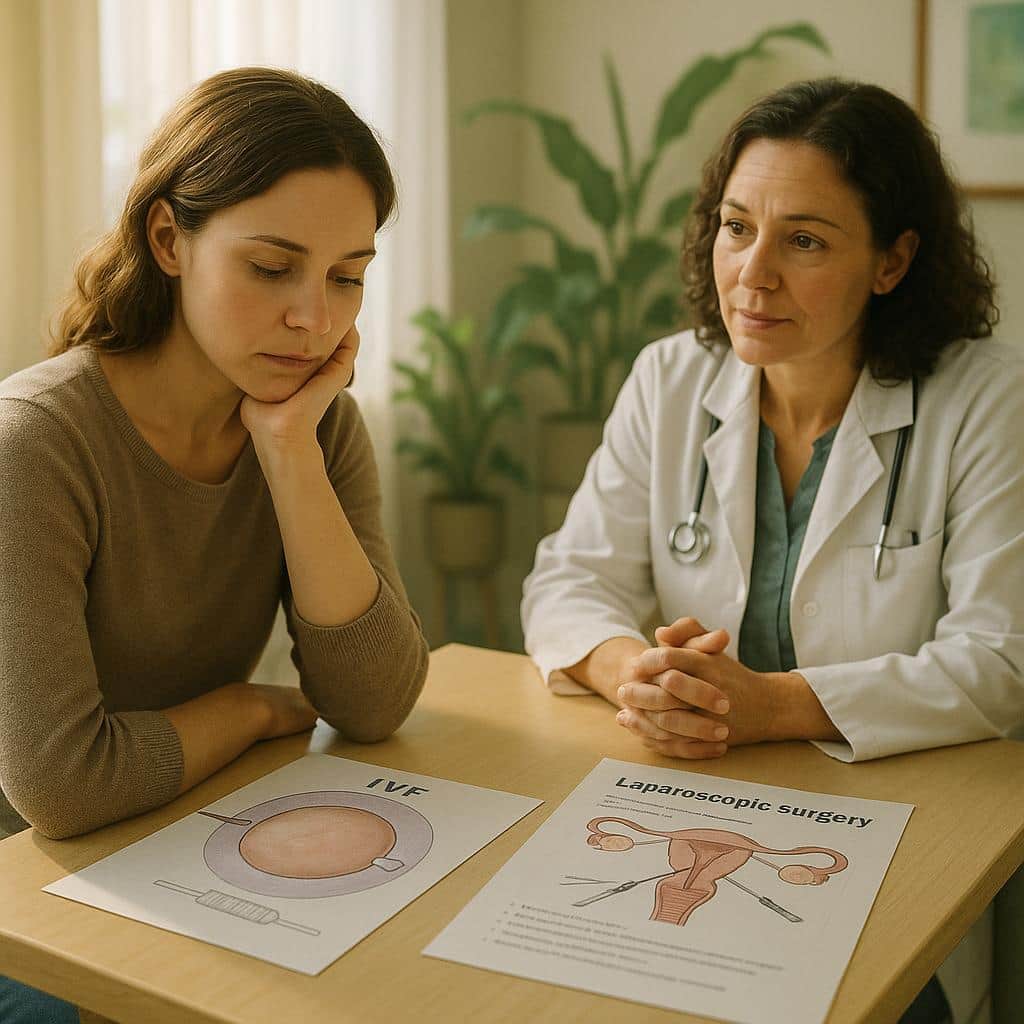
Explore options for bowel endometriosis and infertility. Understand whether surgery or IVF should be your first step. Get reliable insights now.
Right-sided pain that mimics appendicitis may be appendix endometriosis. Symptoms, why scans miss it, how it’s diagnosed, treatment options, and red flags.
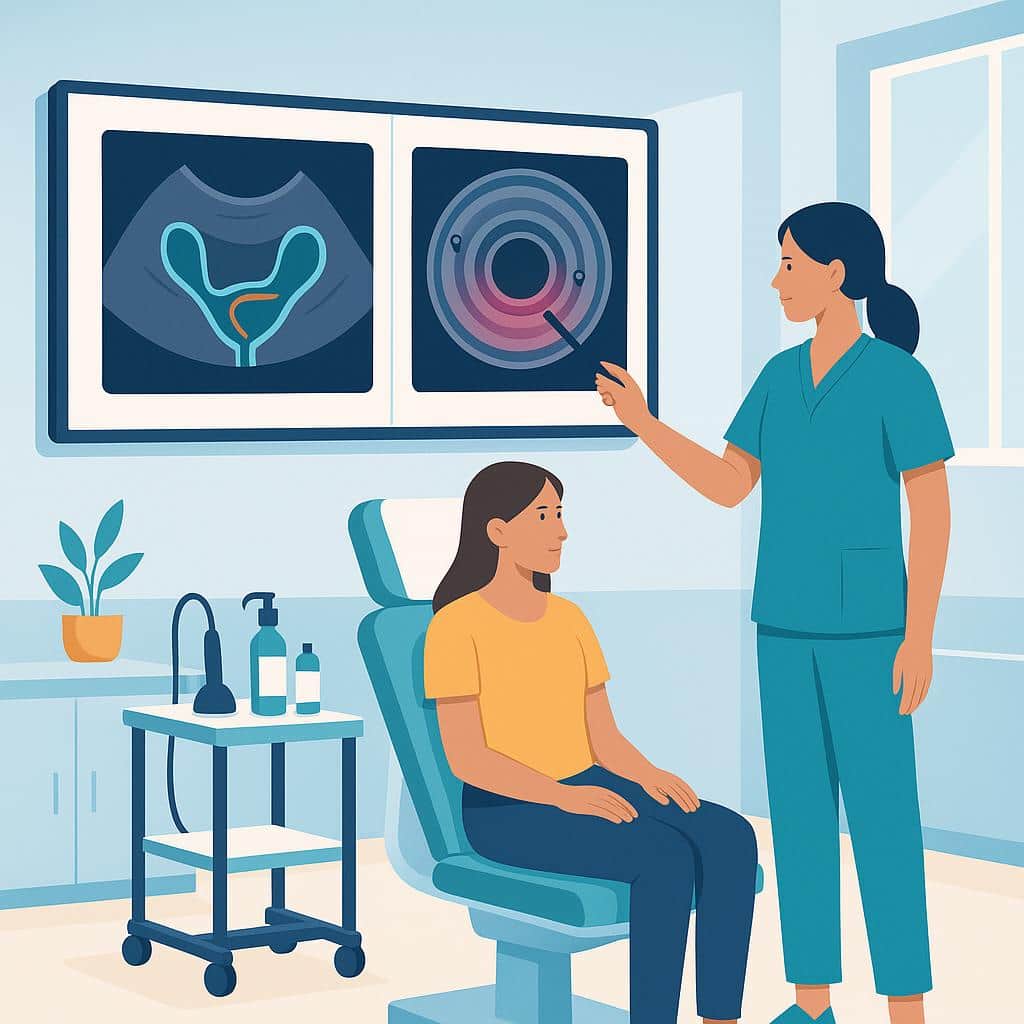
How TVS (transvaginal) and ERUS (endorectal) map rectal endometriosis, guide bowel surgery planning, flag stenosis and risks, and who benefits.
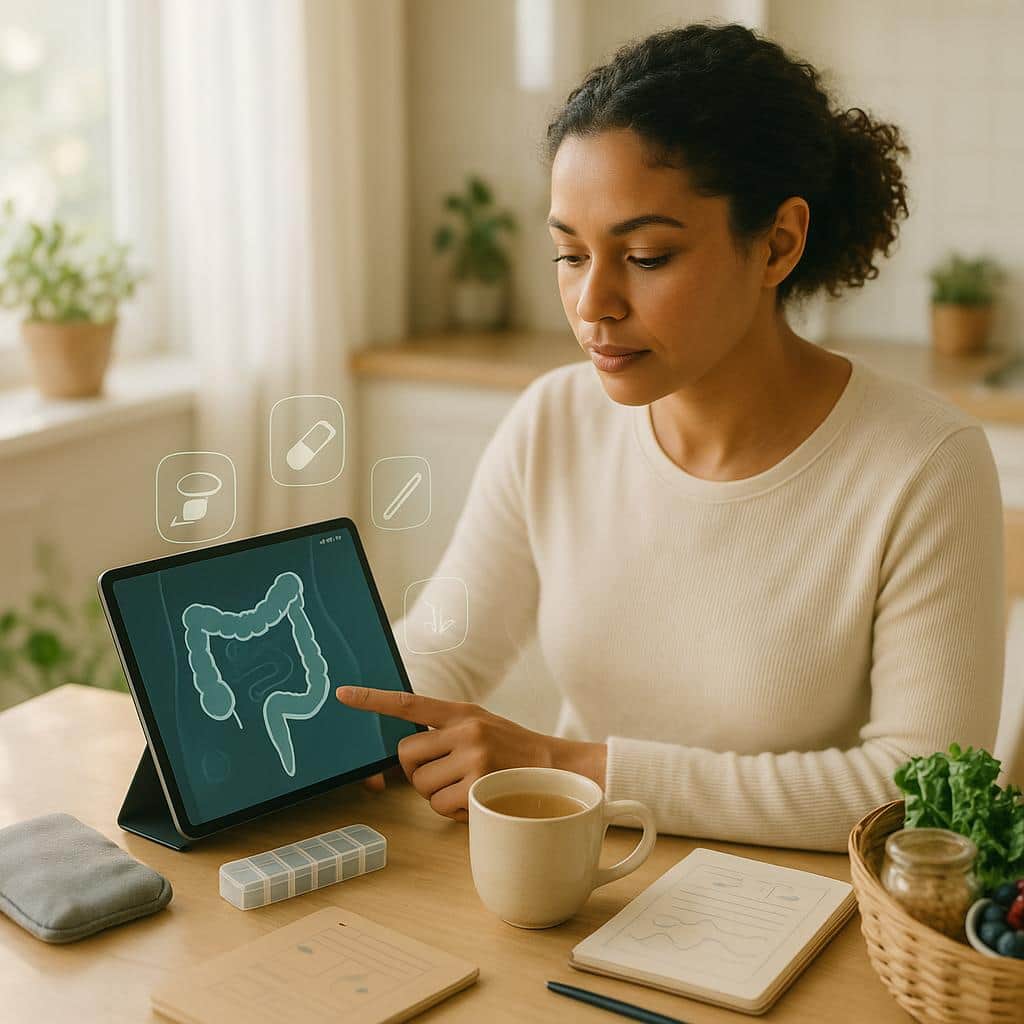
Bowel endometriosis explained: locations, symptoms, causes, diagnosis and misdiagnosis, plus treatments from minimally invasive surgery to lifestyle changes.
Lotus Endometriosis Institute provides California-based surgical evaluation and advanced excision care for patients with suspected endometriosis, adenomyosis, complex pelvic pain, and related conditions.
Many patients contact us from outside California to learn whether traveling for in-person evaluation and possible surgery may be appropriate.
2121 Santa Monica Blvd, Santa Monica, CA 90404
8am - 5pm
Monday - Friday
154 Traffic Way, Arroyo Grande, CA 93420