



Do My Symptoms Mean Adenomyosis or Endometriosis?
How to use prevalence numbers to push for better evaluation
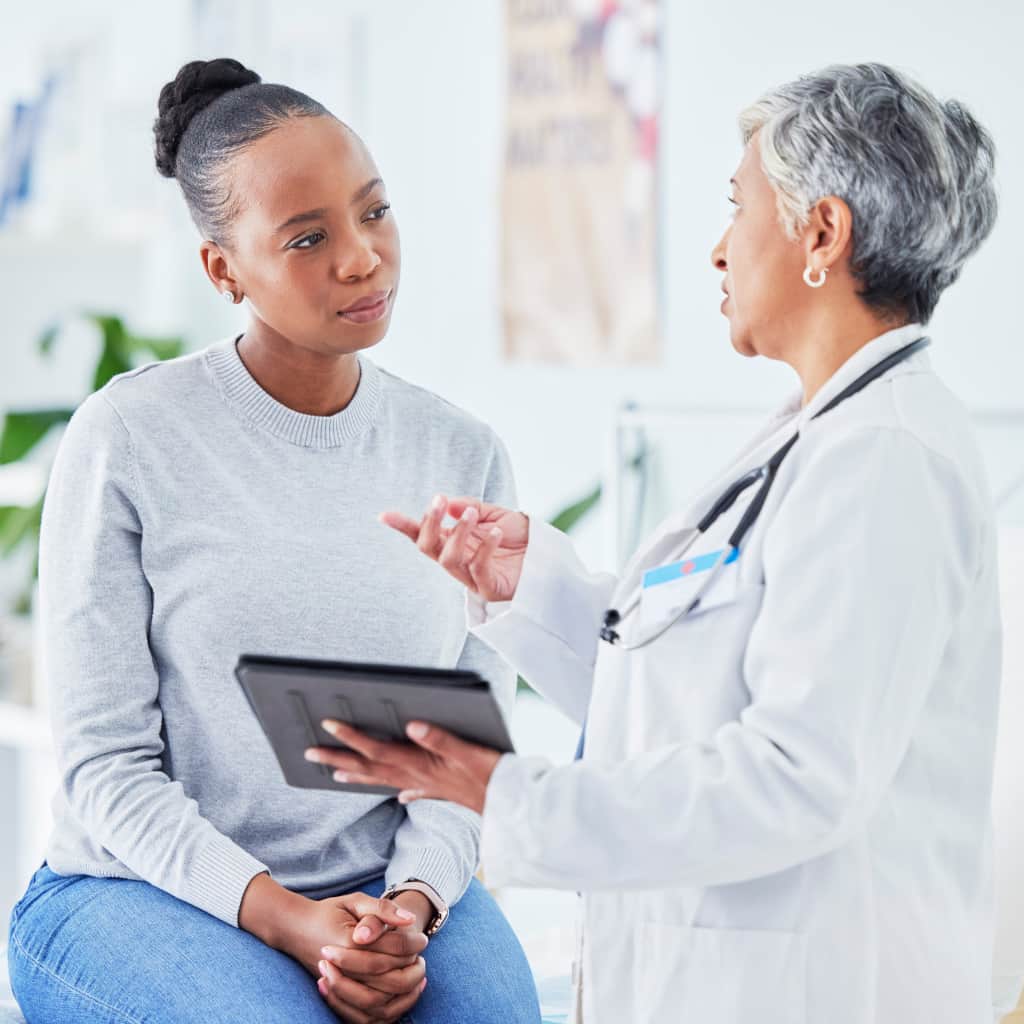
If you’ve been living with debilitating cramps, pelvic pain, pain with sex, heavy bleeding, or infertility, you’ve probably tried to figure out “how likely” adenomyosis or endometriosis is. Maybe you’ve even been dismissed with some version of: “It’s not that common.”
Here’s the problem: prevalence (“how common it is”) depends hugely on who you’re measuring and how you’re diagnosing it. If you look at the general population, the numbers can seem low. If you look at people with the exact symptoms you’re dealing with, the numbers jump dramatically. Recent evidence helps put that into perspective—and can give you stronger language to advocate for evaluation and treatment.
The numbers that matter most aren’t “global”
When people quote big, global prevalence numbers—about 1-2% for adenomyosis and 5-10% for endometriosis—it can sound like these conditions are rare. But those estimates come from “general population” data, which often includes many people who were never evaluated with sensitive tools, never had imaging, never had surgery, or never had symptoms that led to investigation.
For you as a patient, a more relevant question is: “Given my symptoms (or infertility), how often do these diagnoses show up in people like me?”
When researchers looked at groups that match real-life clinical scenarios—people showing up with symptoms or fertility struggles—the prevalence was much higher:
- In people experiencing infertility/subfertility, adenomyosis showed up in about 31% and endometriosis in about 38% (pooled estimates across many studies).
- In people with gynecologic symptoms, adenomyosis prevalence estimates were often around 41%–49% across symptom groups like abnormal uterine bleeding (AUB), pelvic pain, painful sex, and painful periods.
- In symptomatic groups, endometriosis estimates ranged roughly 18%–42%, with higher rates reported in groups defined by pain symptoms like dysmenorrhea and pelvic pain.
You can take one practical message from this: if you have classic symptoms, you are not “unlikely” to have adenomyosis or endometriosis just because a global statistic looks small.
If you have infertility, your odds are not “1–5%”
If you’re trying to conceive and you’ve been relatively dismissed, these prevalence ranges give you a concrete counterpoint. In infertility/subfertility populations, both conditions are common—on the order of about one in three for adenomyosis and more than one in three for endometriosis in pooled estimates.
That doesn’t mean these conditions are the only explanation for infertility. It does mean your care should reflect the reality that they are frequent contributors or co-conditions in fertility clinics and infertility workups—especially when infertility overlaps with pain, heavy bleeding, bowel/bladder symptoms around your period, or a history of ovarian cysts/endometriomas.
Why diagnosis method changes the “how common is it” answer
One of the most important (and validating) points is this: prevalence estimates vary dramatically depending on the diagnostic pathway.
For endometriosis, estimates based on laparoscopy were far higher than estimates based on self-report (about 31% vs 4% in subgroup estimates). That gap doesn’t mean everyone who self-reports is wrong. It means that self-report captures a different group (often those who were told they “probably have it” or never had access to surgery), and surgery tends to occur in people with more severe symptoms or stronger suspicion.
For adenomyosis, prevalence differed depending on whether diagnosis came from histopathology after a hysterectomy has already been performed, MRI, or ultrasound (with subgroup estimates in the low-to-mid 30% range). Translation: imaging choices and the radiologist’s experience can affect whether adenomyosis is seen and reported, and adenomyosis can still be missed—especially if the imaging protocol isn’t optimized or the report isn’t specific.
What this means for you in real life:
- A low number based on self-report or incomplete evaluation can underestimate how often these conditions are actually present in symptomatic people.
- Different clinics can give you different “likelihood” estimates simply because they use different diagnostic tools and thresholds.
Symptom-based prevalence is a permission slip to push for answers
If you have symptoms like:
- severe period pain (dysmenorrhea)
- chronic pelvic pain
- heavy/prolonged bleeding (AUB)
- pain with sex (dyspareunia)
- infertility/subfertility
…then these pooled prevalence ranges support something many patients already know in their bodies: these symptoms are not “normal,” and they deserve a serious evaluation for conditions that commonly cause them.
This is especially important because adenomyosis and endometriosis can coexist, and rather often. These symptom patterns overlap. You might also have one without the other. Your goal isn’t to win a label—it’s to get a treatment plan that targets what’s driving your pain, bleeding, fatigue, and fertility challenges.
Get the Right Diagnosis Today
Our specialists are here to help you understand your condition and explore your treatment options.
Schedule Your VisitWhat to do with this information at your next appointment
You don’t need to quote a dozen percentages. You need a clear ask: “Given my symptoms, I want an evaluation plan that reflects how common these diagnoses are in symptomatic patients like me.”
Use one of these approaches (pick what fits your situation):
- “My symptoms match groups where adenomyosis can be present in roughly 40–50% of patients. What is our concrete plan to evaluate and treat this?”
- “In infertility populations, adenomyosis and endometriosis are both common. Can we assess for both—and discuss how each might affect my fertility plan?”
- “If ultrasound is negative, what is the next step? Would MRI with an experienced reader change management?”
- “If we suspect endometriosis, are you offering symptom control only, or are we discussing referral to an endometriosis-excision specialist if I’m not improving?”
A realistic timeline: when “watch and wait” is not appropriate
Some clinicians default to “try NSAIDs and birth control and see.” That may be reasonable for mild symptoms—if you’re improving. But persistent symptoms with significant life impact deserve a plan with checkpoints. Keep in mind that medical treatment does not generally eradicate disease, so if your goal is just to reduce symptoms for some period of time that is fine. But you are also kicking the can down the road because medical therapies generally fail at some point and the cycle of active endo converting to fibrosis rolls on all of that time.
A patient-centered way to structure this is:
- set a symptom goal (for example, “pain reduced enough to work/function most days” or “bleeding manageable without anemia”)
- agree on a timeframe to reassess (often 8–12 weeks for a medication trial, sooner if side effects are intolerable)
- define what happens next if you’re not improving (different hormonal approach, pelvic floor therapy if indicated, MRI, referral, surgical consult, infertility evaluation)
Prevalence data doesn’t diagnose you—but it does support that delaying evaluation for years is not benign when you have classic symptoms.
Reality check: why no single percentage can predict your case
It’s tempting to turn prevalence into a personal probability (“I have a 49% chance”). That is basically false precision because that may be the average for your symptoms and not your specific risk.
These pooled estimates had very high variability between studies (the kind of heterogeneity that tells you the studies weren’t all measuring the same thing in the same way). Differences in who got evaluated, symptom severity, country/healthcare access, imaging protocols, surgeon skill, and definitions of disease all change the numbers.
So treat these percentages as:
- benchmarks that validate your symptoms and justify evaluation
- not a definitive prediction of what you personally have
Your symptoms, exam, imaging quality, response to treatments, and fertility goals should drive next steps more than any single statistic.
Practical takeaways you can act on this month
If you’re stuck or being minimized, focus on shifting the conversation from “how common is it” to “what’s our plan.” Bring your symptom history (timing with cycle, bleeding volume, pain triggers, bowel/bladder symptoms, missed work/school days) and ask for a stepwise approach that matches your goals—pain relief, bleeding control, fertility, or all three.
Questions to ask your clinician:
- What diagnoses best explain my symptom pattern (pain + bleeding + bowel/bladder symptoms + infertility)?
- If my ultrasound is normal, what is our next diagnostic step (repeat imaging with an expert, MRI, referral)?
- How will we decide whether medical management is “working enough,” and what’s next if it isn’t?
- If endometriosis is suspected, what are the pros/cons of continuing medical therapy vs referral for surgical evaluation with an excision-trained specialist?
- If I’m trying to conceive, how might suspected adenomyosis/endometriosis change our fertility timeline and treatment plan?
You’re not asking for “extra.” You’re asking for care that matches the reality that these conditions are common in symptomatic and infertility populations—and that your suffering deserves a serious response. Failing that, second opinion with an endometriosis & adenomyosis specialist is prudent to consider.
References
Wang, Chen, Qi, Li, Huang. Global prevalence of adenomyosis and endometriosis: a systematic review and meta-analysis. Reproductive Biology and Endocrinology (RB&E). 2025.. DOI: 10.1186/s12958-025-01483-z
Quick Answers
When is hysterectomy recommended for adenomyosis?
A hysterectomy is typically considered for adenomyosis when symptoms are severe and clearly uterus-driven—most often heavy bleeding (sometimes with anemia), intense cramping, pelvic pressure, and daily quality-of-life disruption—and you’re not planning future pregnancy. It’s the most definitive option because adenomyosis lives within the uterine muscle, so removing the uterus removes the source of the problem.
In practice, we usually weigh hysterectomy most strongly when conservative options haven’t brought acceptable relief, aren’t tolerated, or don’t fit your goals. The decision also depends on the pattern and extent of disease (diffuse adenomyosis versus a more focal adenomyoma that may be removable while preserving the uterus) and whether endometriosis may also be present. If endometriosis is part of the picture, it’s important to know that hysterectomy alone doesn’t treat disease outside the uterus—durable symptom relief depends on addressing all pain generators.
If you’re wondering whether you’re at the point where hysterectomy makes sense, our team can help clarify what’s most likely driving your symptoms, review imaging, and walk you through uterus-preserving versus definitive surgical paths so you can choose the option that best matches your relief and fertility priorities.
Which adenomyosis symptoms most affect daily life?
Adenomyosis symptoms that most disrupt quality of life usually come from two main issues: how the uterus bleeds and how it hurts. Many patients describe heavy or prolonged periods that interfere with work, school, travel, and sleep—sometimes with flooding, frequent pad/tampon changes, and fatigue that can follow significant blood loss. Severe period pain (often more than “normal cramps”) is also common, and it can feel deep, aching, or pressure-like, sometimes accompanied by an enlarged, tender uterus and a sense of pelvic heaviness or bloating.
Outside of the period itself, adenomyosis can contribute to chronic pelvic pain, pain with sex for some people, and bowel or bladder discomfort—especially when symptoms flare around the menstrual cycle. It can also overlap with endometriosis, and when both are present symptoms may intensify or become harder to tease apart. If your day-to-day life is being shaped by bleeding, pain, pressure, or fertility stress, our team can help you sort out whether adenomyosis, endometriosis, fibroids, or more than one condition may be driving the pattern—and what next-step options make sense for your goals.
Why does ovarian cyst pain keep coming back?
Ovarian cyst pain can feel “recurrent” for a few different reasons. Some cysts are functional (they form with ovulation and then resolve), so the pain returns in a similar spot month after month even though it’s not the exact same cyst. In other cases, the cyst itself can come back or persist—especially if it’s an endometrioma (an ovarian cyst caused by endometriosis), which can behave differently than a simple cyst and may be associated with deeper pelvic disease.
Another common reason is that the cyst isn’t the whole story: endometriosis on the pelvic sidewall, uterosacral ligaments, bowel, bladder, or around the ovary can irritate the same nerves and tissues and make it feel like “my cyst is back” when the driver is actually inflammatory disease nearby. Adhesions (scar-like bands) can also tether the ovary and cause recurring pulling or sharp pain, even when imaging doesn’t show a large cyst. If your pain cycles, escalates, returns quickly after a “normal” ultrasound, or keeps recurring despite prior treatment, our team can help you map the pattern, interpret imaging with an endometriosis lens, and decide whether targeted evaluation and—when appropriate—excision surgery is the next best step.
Can endometriosis cause infertility and pelvic pain in your 20s?
Yes. Endometriosis can absolutely show up in your late 20s and it can be a driver of both chronic pelvic pain and fertility challenges. Pain can include severe or worsening period cramps, pain with sex, bowel or bladder pain, and “flare” patterns that track with your cycle—although symptom severity doesn’t always match how much disease is present.
Endometriosis can affect fertility in several ways, including adhesions that distort tubo‑ovarian anatomy, inflammation and immune signaling that interferes with fertilization or embryo development, and ovarian factors—especially when endometriomas are involved. For some patients, the uterine environment also matters, particularly when adenomyosis is present alongside endometriosis. In our practice, we focus on listening to your full symptom and fertility story and then building an evaluation that looks for endometriosis while also checking for common look‑alikes or coexisting issues, so we can tailor a plan to your goals—whether that’s pain relief, preserving fertility, or both.
Why do I have chronic fatigue and pelvic pain?
Chronic fatigue plus pelvic pain often feels “unexplainable” because it’s rarely caused by just one issue—and many of the most common drivers don’t show up on routine labs or a quick ultrasound. Endometriosis and adenomyosis can cause persistent pelvic pain, painful periods, bowel/bladder symptoms, and deep fatigue through inflammation, disrupted sleep, heavy bleeding (and possible iron deficiency), and the sheer energy cost of living with ongoing pain. It’s also common for more than one gynecologic condition to coexist—like fibroids, polyps, or benign cysts—so a single label may not fully match what you’re experiencing.
Another reason symptoms can persist is that the nervous system can become more pain-sensitive over time (often called central sensitization), meaning pain can spread, linger outside your cycle, or feel disproportionate to what imaging shows. In those cases, symptom relief alone can miss the bigger picture: we think in terms of both treating disease (for example, addressing endometriosis lesions or uterine drivers like adenomyosis/fibroids) and building a personalized pain-management plan so your body can “turn down the volume” on pain signals.
If your fatigue and pelvic pain have been brushed off or left without a clear plan, our team can help you sort through the likely contributors, including endometriosis/adenomyosis and common coexisting conditions, and map next steps that fit your goals. You can explore our educational resources on fatigue, chronic pelvic pain, and comprehensive treatment approaches, and reach out to schedule a consultation when you’re ready.