


Dysautonomia and Endometriosis - How HRV Relates to Chronic Pain
Adenomyosis, pelvic inflammation, and pain processing also matter when the nervous system feels stuck on alert.

Dysautonomia and endometriosis can overlap in chronic pain
Dysautonomia and endometriosis can overlap: pelvic inflammation and lesion-related nerve changes can generate pain, while autonomic regulation and central pain processing can amplify and sustain it. The same broader pain model matters in adenomyosis. Poor recovery, dizziness, or palpitations may coexist with pelvic pain, but that overlap does not establish that endometriosis caused a separate dysautonomia diagnosis.
If you’d like a specialist’s view of your symptoms or a second opinion on a recommended treatment, our team can help review your options.
Dysautonomia means dysfunction of the autonomic nervous system, which regulates many automatic body functions. Heart rate variability, or HRV, offers one possible window into that regulation. It can help you observe recovery patterns, but it cannot diagnose dysautonomia or replace care directed at pelvic disease.
How pelvic inflammation and autonomic regulation interact
The sympathetic and parasympathetic responses
Your autonomic nervous system has two major components that work together. The sympathetic system mobilizes energy for action, while the parasympathetic system, including the vagus nerve, supports rest, digestion, and recovery.
Some chronic pain states involve reduced parasympathetic flexibility. The body may have a harder time returning to baseline after stress, poor sleep, inflammation, pain, or emotional strain. This can feel like being stuck on alert: pain flares easily, stress hits harder, and sleep does not feel refreshing.
That is a whole-body regulation issue, not evidence that pain is imagined. The brain, nerves, immune system, hormones, and cardiovascular system influence one another. Chronic pain involves more than lesions, uterine changes, and local pain-sensing nerve endings alone.
Inflammation, nerve changes, and pain that exceeds imaging
Endometriosis pain has strong biological links to inflammation and nerve remodeling in and around lesions. A 2020 review of laboratory and clinical findings on endometriosis-associated pain described an inflammatory pelvic environment involving immune cells, cytokines, and prostaglandins, alongside changes in the number and types of nerve fibers within lesions.
The review described increased sensory nerve fibers and altered autonomic nerve patterns, including reduced sympathetic nerve density in some lesion types. These nerve changes were repeatedly associated with pain. Inflammation can sensitize existing nerves, while nerve-growth signals such as NGF and BDNF can help maintain a pain-sensitive environment.
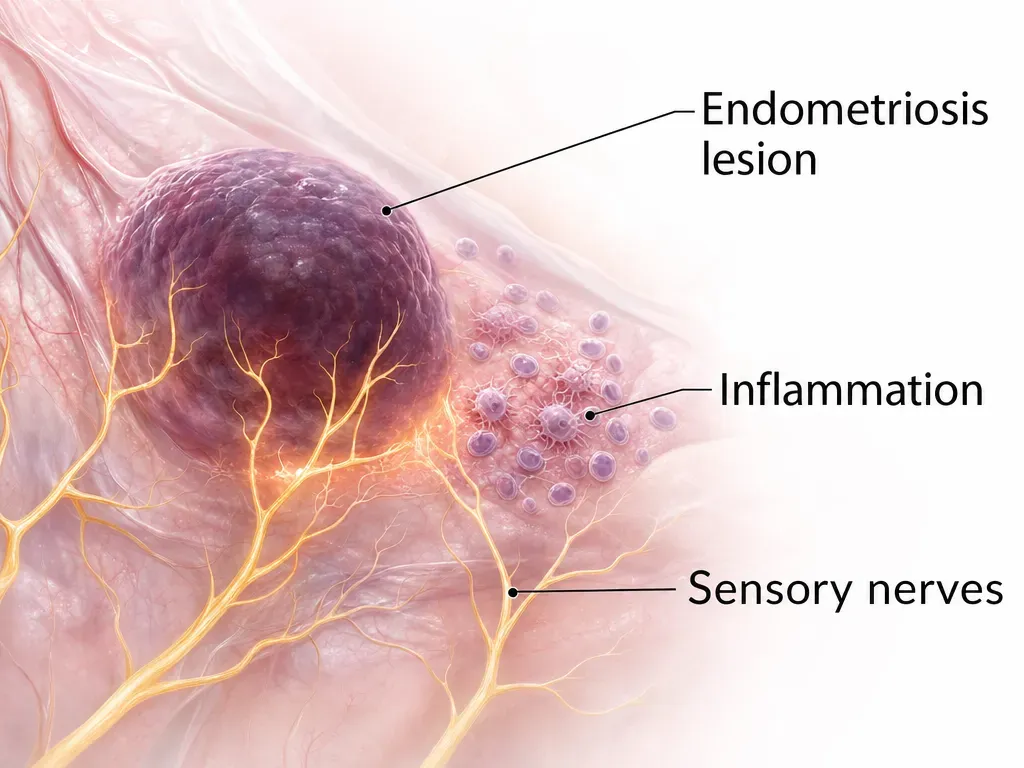
This helps explain why pain severity does not always match what imaging shows. Nerves that are growing, sensitized, or chemically primed by inflammation can generate intense pain even when the apparent disease burden is small.
Location also matters. Deep infiltrating disease is often highly supplied with nerves, consistent with why bowel or rectovaginal symptoms can be particularly severe. The location of disease may tell more about certain symptoms than its apparent overall extent.
Symptoms that may point beyond pelvic pain alone
These mechanisms make an interaction between endometriosis, inflammation, and autonomic regulation plausible. They do not establish that endometriosis directly causes a separate dysautonomia disorder in an individual.
Local pelvic biology also does not fully explain broader pain sensitivity, fatigue, sleep disruption, dizziness, palpitations, or temperature intolerance. Those symptoms should not automatically be attributed to endometriosis. Their pattern, including whether symptoms appear or worsen while standing, can help your clinician decide what else to assess.
Central sensitization can amplify pain without replacing its pelvic causes
When pain sensitivity turns up
Central sensitization means the central nervous system becomes more responsive to pain signals. Sensations that were tolerable can become painful, existing pain can feel stronger or last longer, and pain can spread beyond its original location. At its most severe, if sensitivity continues to progress, even a light touch on the arm can hurt.
There is no single gold-standard test for central sensitization. A 2020 observational study protocol for adults with chronic low back pain proposed combining the Central Sensitization Inventory, quantitative sensory testing, and HRV to assess different aspects of pain processing. It was a plan for assessment, not proof that any one measure diagnoses sensitization.
The Central Sensitization Inventory is a symptom questionnaire, while quantitative sensory testing measures responses to controlled sensory stimuli. HRV adds information about autonomic regulation. Each can contribute to a broader assessment, but none captures the whole picture.
What sustained pain can reveal about brain–body regulation
A 2025 functional MRI study of 14 people with cyclic vomiting syndrome and 14 healthy adults measured brain activity and HRV during sustained pressure pain at the leg. Participants with cyclic vomiting syndrome had a larger reduction in high-frequency HRV, a measure linked to parasympathetic activity. This suggested greater parasympathetic withdrawal under pain stress.
Average pain ratings were not higher overall, but pain increased over minutes in the cyclic vomiting group. The same stimulus felt worse the longer it continued, a pattern called temporal summation. Brain regions involved in autonomic control and sensing internal body signals also showed altered relationships with parasympathetic activity.
That internal sensing is called interoception: the nervous system’s ability to sense, interpret, and integrate signals such as heartbeat, hunger, breathing, and temperature. Regions including the anterior insula and anterior cingulate cortex help coordinate internal balance and emotional awareness.
The sustained-pain study illustrates that pain escalation can have measurable physiological counterparts in brain-autonomic coordination. Cyclic vomiting syndrome can coexist with endometriosis, but it is not pelvic pain. Its findings cannot be transferred directly to endometriosis or adenomyosis, and they do not identify which pelvic treatment to choose.
The mind–body connection without blame
Physiology and lived experience are intertwined. That does not make pain psychological or erase its inflammatory and gynecologic causes.
A 2022 cross-sectional study of 30 people with chronic neck pain and 30 with chronic low back pain found broadly similar average HRV measures between the groups. Disability and self-efficacy, meaning confidence in functioning despite pain, correlated with HRV in the neck-pain group. Catastrophizing, or expecting the worst from pain, and fear of movement had stronger correlations with HRV in the low-back-pain group.
These associations do not establish cause, but they help explain why pain management can address both physiology and perceived threat. When pain feels unpredictable or unsafe, the nervous system may remain in a defensive state. Skills that reduce that threat can support regulation without denying the pelvic disease generating pain.
Pelvic Pain and HRV Questions? Ask a Specialist
Our specialists are here to help you understand your condition and explore your treatment options.
Schedule a ConsultationWhat HRV can and cannot tell you
Reading a personal trend rather than a single number
Heart rate variability is the natural variation in the time between successive heartbeats, often measured in milliseconds. In many contexts, higher HRV, particularly measures linked to vagal activity, is interpreted as greater autonomic flexibility and recovery capacity. Lower HRV often reflects greater physiological strain or reduced parasympathetic activity.
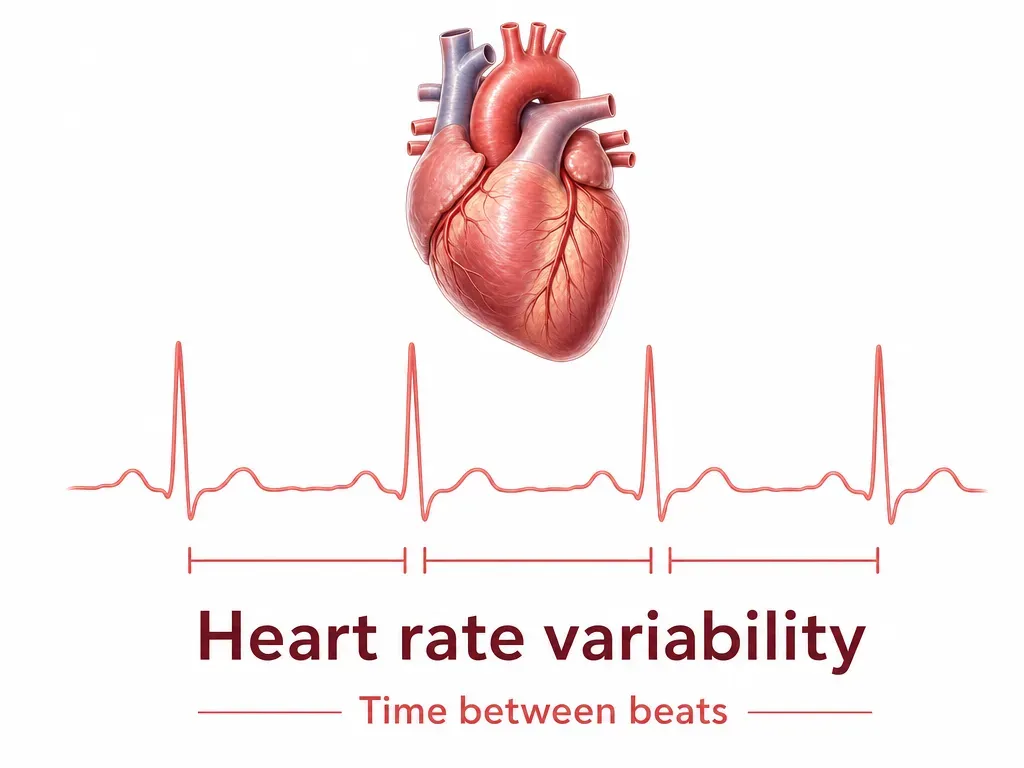
HRV generally declines with age. As an illustration, readings in someone’s 20s or 30s might be 50–100 milliseconds or more, while readings after age 60 may fall below 40 or 30 milliseconds. These are not universal cutoffs: the HRV measure, device, and recording conditions matter.
The useful comparison is your own trend, interpreted with your age and measurement method in mind. Everyday tools such as an Oura ring make tracking easier, but they do not make a reading definitive.
Why readings and research results vary
HRV is sensitive to sleep quantity and quality; caffeine, nicotine, and alcohol; and medications, including those used for pain, mood, and hormones. Hydration, illness, and menstrual cycle phase can also change a reading.
Posture, breathing pattern, time of day, device type, and recording duration add further variation. Comparing readings taken under similar conditions is more informative than comparing unrelated scores. This sensitivity helps HRV reflect changes in overall strain, but it also makes interpretation difficult.
A 2025 systematic review of 23 studies in people with cancer or cancer survivors examined HRV alongside fatigue, pain, and neuropathic symptoms. Lower HRV generally aligned with worse fatigue and greater symptom burden, and several interventions linked improved HRV with reduced fatigue. Associations with pain were less consistent and lower certainty, often involving small samples.
The cancer review also found substantial differences in recording methods and control of other influences, with high risk of bias in many included reports. These limitations help explain why findings from other chronic conditions cannot simply be applied to endometriosis or adenomyosis.
The limits of HRV for diagnosis and treatment decisions
HRV can be a tangible, measurable way to observe progress with a treatment plan, especially alongside sleep, energy, activity tolerance, and recovery after flares. It is not a reliable stand-alone measure of pain severity.
HRV cannot diagnose dysautonomia, prove central sensitization, establish the cause of symptoms, or select an endometriosis or adenomyosis treatment. Lower readings may reflect age, pain burden, poor sleep, medication effects, inflammation, stress, or several of these together. Many reported associations cannot tell us which change came first.
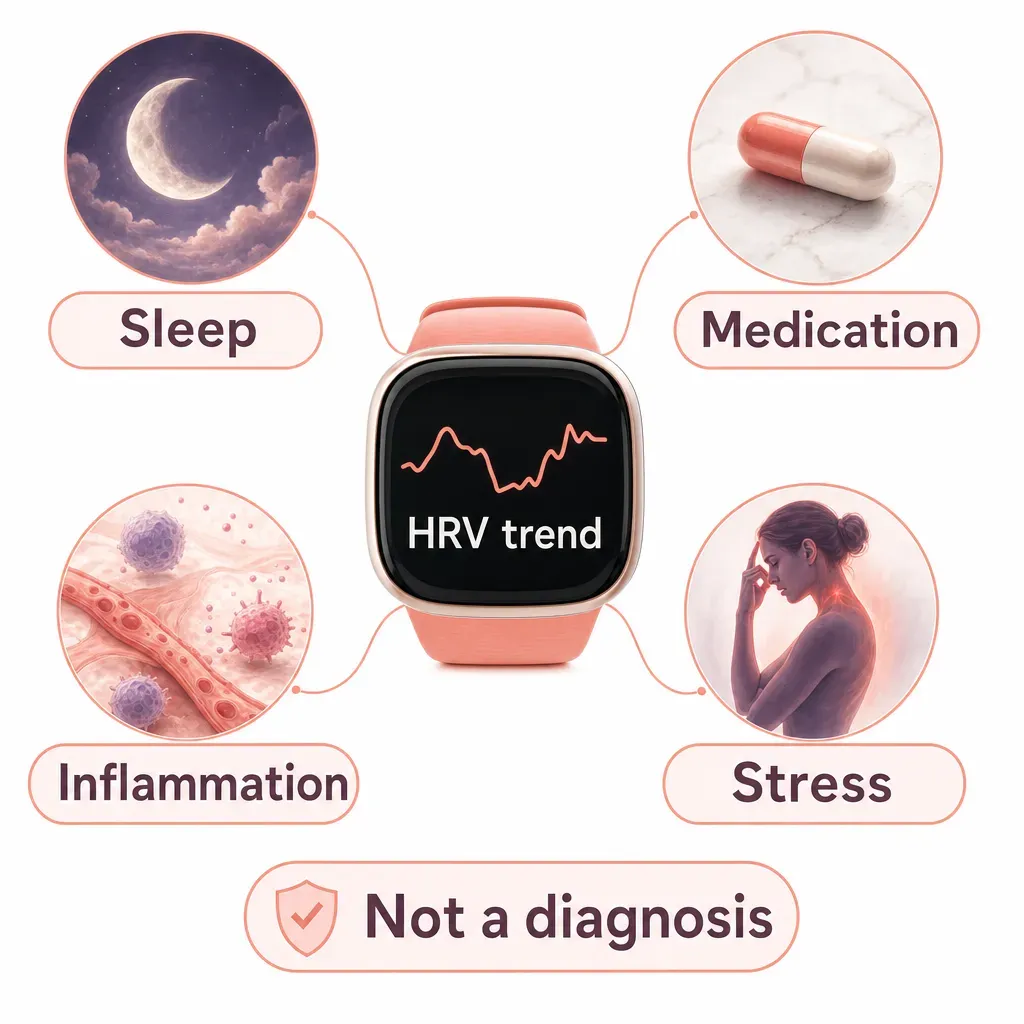
Direct support for HRV-guided care in endometriosis and adenomyosis remains limited. Tracking is best used to inform a fuller assessment rather than to make treatment decisions from a score.
Support autonomic recovery while treating pelvic pain
Everyday strategies for recovery and resilience
Improving HRV and recovery capacity may meaningfully ease chronic pain, but HRV-focused strategies are not proven direct treatments for endometriosis or adenomyosis pain. The aim is to improve the nervous system’s ability to recover, rather than simply to raise a number.
Practical options to discuss with your clinician include:
- Regular sleep and daily rhythms: consistent sleep and wake times, with attention to sleep quality.
- Tolerable, graded continuous activity: a sustainable level of movement rather than boom-bust cycles of overactivity followed by prolonged recovery.
- Paced breathing or HRV biofeedback: sometimes with guidance from a clinician.
- Stress-regulation skills: mindfulness, cognitive behavioral therapy, acceptance and commitment therapy, and trauma-informed therapy when relevant.
- Pain education and movement confidence: pacing and appropriate exposure-based movement to reduce threat and rebuild tolerance.
- Alcohol and caffeine adjustments: reducing alcohol and choosing caffeine timing that supports sleep and recovery.
- Assessment of treatable contributors: iron deficiency, thyroid disease, and sleep apnea when present.
In the 2025 cancer review, interventions such as exercise, mindfulness or Qigong, massage, and HRV biofeedback were sometimes associated with better HRV and symptoms. That is encouraging, but it is not a guarantee of benefit and is not specific to endometriosis or adenomyosis.
The methods you choose must resonate with you. Going through the motions without genuinely engaging will not make a method work. A plan needs to fit the person using it.
Treating the pelvic drivers at the same time
Autonomic strategies do not remove or reduce endometriosis or adenomyosis lesions. They may help with the central and autonomic amplification layered on top of pelvic disease, while adequate pain control and pelvic-focused treatment remain essential.
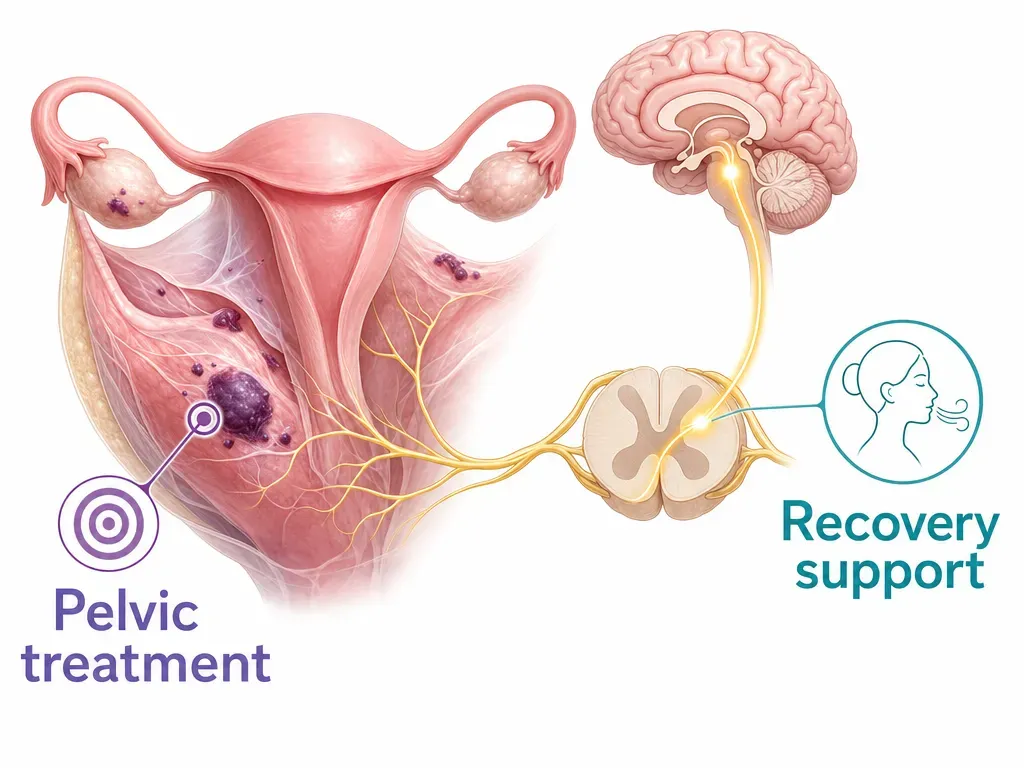
Depending on your situation, that treatment may include hormonal suppression, surgery when appropriate, and pelvic floor physical therapy. These options should be considered alongside the nervous-system plan, not displaced by it.
An anti-inflammatory diet rich in omega-3 fats, with attention to vitamin D levels and supplementation, also belongs in the discussion. Food or sun exposure alone is often not enough to maintain adequate vitamin D.
Expect gradual changes, not the disappearance of every flare
If strategies aimed at HRV and recovery help, changes often appear in this order:
- Sleep quality or steadier energy: days to weeks.
- Less stress reactivity: weeks.
- Fewer pain spikes or better recovery after flares: weeks to months.
Pelvic pain can still flare because of hormonal cycling, inflammation, and local mechanical factors even when autonomic regulation improves. Improving the body’s recovery capacity changes the terrain in which pain occurs; it does not eliminate the triggers. Treating those triggers remains front and center in a whole-person plan.
Questions to bring to your clinician
Use symptoms and HRV trends to guide a more complete plan, not to replace endometriosis- or adenomyosis-focused surgery and care. Choose a few questions that fit your situation:
- “Could my symptoms fit a dysautonomia pattern, such as orthostatic intolerance, meaning symptoms that worsen while upright? Should we screen for common contributors such as anemia, thyroid problems, B12 deficiency, or sleep problems?”
- “Do you think central sensitization could be amplifying my pelvic pain? If so, how would that change the treatment plan?”
- “If I track heart rate variability, how should I interpret it against my age and personal baseline? What factors, including sleep, cycle phase, medications, and measurement conditions, might affect it?”
- “Can we combine pelvic-focused treatment, including hormonal treatment, surgery, or pelvic floor physical therapy, with a nervous-system plan involving sleep, pacing, graded activity, pain psychology, or biofeedback?”
When choosing an endometriosis specialist, consider someone who is at least conversant with integrative medicine or, better, has expertise in additional pain-management tools. Ask how they would combine those tools with treatment of your specific pelvic pain drivers.
References
Bolender, Staley, Garcia et al.. Altered parasympathetic outflow and central sensitization response to continuous pain in cyclic vomiting syndrome: a functional magnetic resonance imaging study. American journal of physiology. Gastrointestinal and liver physiology. 2025. PMID: 39545877 PMCID: PMC12093459
Bolanos, Hneiny, Gonzalez et al.. Prognostic and diagnostic utility of heart rate variability to predict and understand change in cancer and chemotherapy related fatigue, pain, and neuropathic symptoms: a systematic review. Supportive Care in Cancer. 2025. PMID: 41214377 PMCID: PMC12602565
Wei, Liang, Lin et al.. Autonomic nervous system and inflammation interaction in endometriosis-associated pain. Journal of Neuroinflammation. 2020. PMID: 32145751 PMCID: PMC7060607
. Central Sensitisation and functioning in patients with chronic low back pain: protocol for a cross-sectional and cohort study. BMJ Open. 2020. PMID: 32152155 PMCID: PMC7064083
Pontes-Silva, Bassi-Dibai, Fidelis-de-Paula-Gomes et al.. Comparison of the autonomic nervous system dysfunction between different chronic spine disorders: neck pain versus low back pain. Revista da Associação Médica Brasileira. 2022. PMID: 36228260 PMCID: PMC9575013
Quick Answers
Why does ovarian cyst pain keep coming back?
Ovarian cyst pain can return because new cysts form with ovulation, a cyst persists or comes back, or nearby endometriosis or scar-like bands cause pain. An endometrioma, a cyst caused by endometriosis, may be associated with deeper pelvic disease.
Why do I have chronic fatigue and pelvic pain?
Chronic fatigue and pelvic pain can come from endometriosis, adenomyosis, or more than one condition. Inflammation, disrupted sleep, heavy bleeding and ongoing pain can drive fatigue, while the nervous system can become more pain-sensitive over time.
Why does sex hurt more around my period?
Pain with sex that worsens around your period often points to inflammation and more reactive pelvic nerves before and during bleeding. Endometriosis can amplify pain signals, and adenomyosis can make the uterus unusually tender and crampy.
Why is my period pain so severe that it disrupts my daily life?
Severe period pain that disrupts daily life may signal endometriosis, adenomyosis, or another underlying cause. Worsening pain, poor relief with NSAIDs and heat, heavy bleeding, or pain between periods warrant evaluation, even when imaging looks normal.