

Holistic Treatment Options for Endometriosis and Adenomyosis
Compare hands-on therapies, nutrition, supplements, and mind-body practices alongside conventional medical care.
Natural and integrative options alongside conventional treatment
Adenomyosis natural treatment options include nutrition, acupuncture, movement and relaxation practices, and selected supplements. These approaches can support symptom management, but they are not cures or substitutes for appropriate medical treatment. The same whole-person framework applies to endometriosis: complementary therapies work alongside conventional care to address pain, emotional strain, and quality of life.
If you’d like a specialist’s view on how these options fit with a recommended treatment, our team can help.
There is currently no cure for endometriosis, but surgery and hormonal therapy are the primary conventional options for managing symptoms and improving quality of life. Work toward additional treatments continues, including ways to modify immune responses, reduce inflammation, and alter molecular signaling pathways. Integrative care can help reduce symptoms and address certain underlying mechanisms while conventional treatment remains part of the plan.
What integrative care adds
Integrative care considers the whole person, including physical, emotional, and spiritual well-being. It combines conventional medical treatment with complementary approaches such as nutrition, supplements, herbal medicine, acupuncture, massage, and yoga. Its goal is to address possible underlying causes as well as relieve symptoms.
Although integrative care often incorporates Eastern medicine, it is different from using alternative therapies instead of medical treatment. Replacement approaches can be ineffective, costly, or unsafe. Integrative care for endometriosis keeps appropriate medical treatment in place while considering what complementary care can add.
A functional medicine or naturopathic approach to adenomyosis belongs in this discussion insofar as it coordinates useful complementary care with conventional treatment. The label does not establish a particular protocol or guarantee results.
Hands-on approaches to pain and tension
Acupuncture
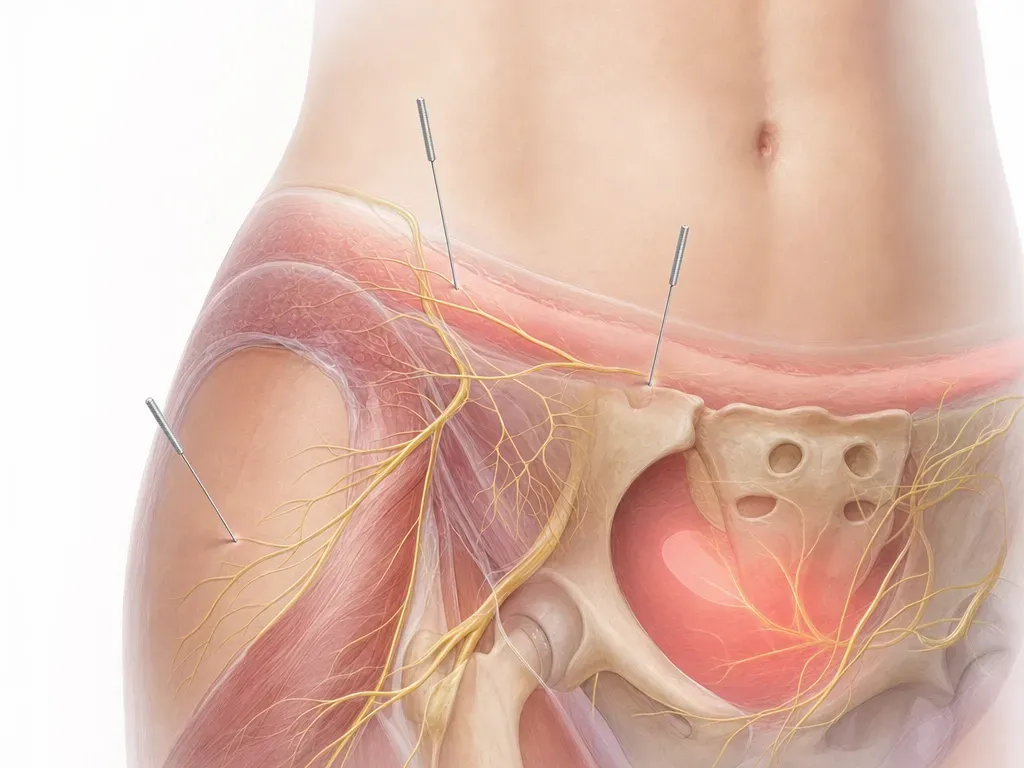
Acupuncture is a form of Traditional Chinese Medicine in which extremely thin needles are inserted at specific points along pathways called meridians. These points and pathways lie near areas where peripheral nerves run. Acupuncture is used for conditions including chronic pain, headaches, anxiety, and infertility.
In traditional terms, acupuncture is believed to stimulate natural repair mechanisms and promote the flow of energy, or Qi. From a conventional medical perspective, it may influence nerve function. For endometriosis, its proposed benefits include reducing inflammation and relaxing pelvic muscles, which can ease pain and support fertility.
Acupuncture is not merely a placebo. A 2018 systematic review of seven randomized controlled trials involving 527 participants with endometriosis-associated pelvic pain found a statistically significant reduction in pain intensity compared with no treatment or sham acupuncture.
A 2021 systematic review of 17 randomized controlled trials involving 1,232 participants with endometriosis-related menstrual pain found significant reductions in both pain intensity and duration compared with no acupuncture or sham treatment. The review concluded that acupuncture may be a safe and effective option for managing this pain.
Acupuncture is not a cure and does not correct the underlying disease process. It may help manage pain and other symptoms and reduce inflammation, but it belongs within a comprehensive plan that includes conventional care, lifestyle changes, and other complementary therapies.
For readers looking for acupuncture points for adenomyosis, there is no fixed point prescription given here. Acupuncture and acupressure are distinct techniques; the locations described below are commonly used for acupressure, not a needle-placement guide.
Acupressure
Acupressure involves applying pressure to specific points on the body to support healing and reduce pain. Common locations used for endometriosis include the lower abdomen, lower back, and inner ankle. These points are believed to help regulate menstrual flow, decrease inflammation, and encourage relaxation.
A 2013 randomized controlled trial involving 60 women with endometriosis compared acupressure with placebo treatment. It found a statistically significant decrease in pain intensity and an improvement in quality of life.
A 2018 study involving 62 women with endometriosis also compared acupressure with placebo treatment. Participants receiving acupressure had significantly less intense menstrual pain and better quality of life.
Massage therapy
Massage manipulates soft tissues, such as muscles and tendons, to encourage relaxation and reduce pain. It is used for chronic pain, anxiety, and depression, and it can help relieve pelvic muscle tension and pain associated with endometriosis, particularly during menstruation. Massage is an adjunct, not a replacement for appropriate medical treatment.
A 2019 systematic review of 13 studies involving 602 people with endometriosis found that massage significantly reduced pain intensity and duration. It also improved quality of life and anxiety levels.
Chronic pain can cause considerable emotional strain, and massage can lower anxiety and support relaxation. A 2018 randomized controlled trial involving 60 participants, discussed in the context of endometriosis care, found significantly lower anxiety among those receiving massage than among those receiving no treatment.
Massage may also improve circulation and support lymphatic drainage, which can reduce inflammation and encourage healing. A 2016 review of massage for people with chronic pelvic pain, including endometriosis, concluded that it may be safe and effective, particularly alongside other therapies.
Mind-body practices for pain and emotional strain
Endometriosis can contribute to anxiety, depression, and stress as well as physical pain. Mind-body practices use the connection between thoughts, emotions, and physical responses to promote relaxation, support healing, and reduce pain. They can support physical, emotional, and mental well-being.
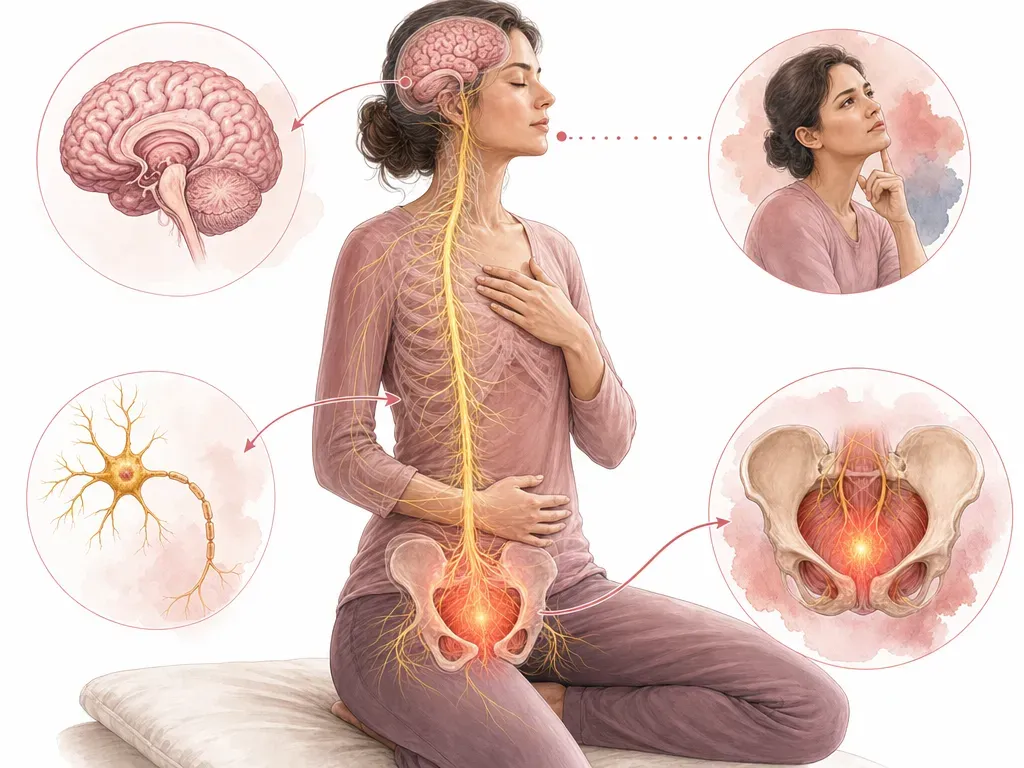
A 2020 systematic review of 20 studies involving 1,126 participants with chronic pain, including endometriosis, found statistically significant reductions in pain intensity, pain duration, and stress. The approaches evaluated included meditation, yoga, and Tai chi.
Meditation
Meditation involves focusing the mind on an object or thought to encourage relaxation and reduce stress. Mindfulness meditation offers a way to work with the experience of pain and the emotional strain that accompanies it.
A 2018 randomized controlled trial involving 20 women with endometriosis compared mindfulness meditation with no treatment. Meditation significantly reduced pain intensity and improved quality of life.
Yoga
Yoga combines physical postures, breathing exercises, and meditation to promote relaxation and decrease stress. It offers a movement-based option for people interested in a mind-body practice.
A 2018 randomized controlled trial involving 90 women with endometriosis compared yoga with no treatment. Yoga was associated with significantly lower pain intensity and improved quality of life.
Tai chi
Tai chi combines slow, gentle movements with deep breathing to encourage relaxation and lower stress. Its gentle movement pattern provides another option for chronic pain management.
A 2015 systematic review of ten studies involving 494 participants with chronic pain, including endometriosis, found that Tai chi significantly reduced pain intensity, pain duration, and stress levels.
Explore Integrative Options for Your Symptoms
Our specialists are here to help you understand your condition and explore your treatment options.
Schedule a ConsultationFood, supplements, and herbal options
Diet and nutrition
Diet can directly influence inflammation, hormone balance, and immune function. No single diet has been proven to cure endometriosis, but dietary changes and nutritional supplementation may reduce associated inflammation and pain. The most anti-inflammatory, antioxidant-rich dietary pattern is whole-food plant-based.
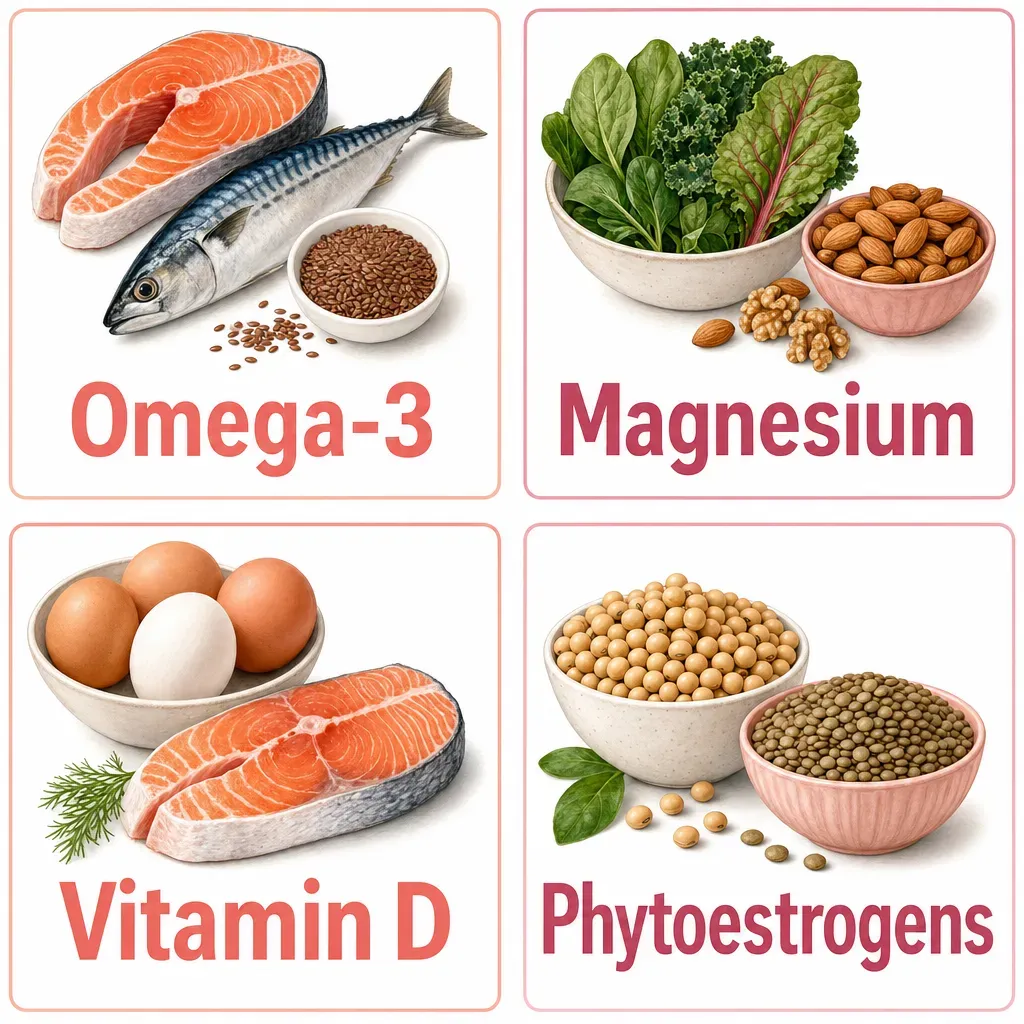
Inflammation contributes to the development and progression of endometriosis. Some foods promote inflammation, while others provide nutrients with anti-inflammatory benefits. Useful food sources include:
- Omega-3 fatty acids: Fatty fish such as salmon and mackerel, as well as flaxseeds and chia seeds, provide omega-3s with strong anti-inflammatory benefits.
- Magnesium: Leafy greens, nuts, and whole grains provide magnesium, which can help reduce inflammation and muscle tension.
- Vitamin D: Fatty fish, eggs, and fortified dairy products provide vitamin D, which may support immune regulation and reduce inflammation.
Food choices also affect hormone balance. Phytoestrogens in soy products, flaxseeds, and lentils can help regulate estrogen levels and ease endometriosis symptoms. In contrast, foods high in saturated and trans fats, including red meat and processed foods, can increase inflammation and negatively affect hormone balance.
A 2021 systematic review of 17 studies involving 1,311 participants with endometriosis found that dietary interventions were associated with improvements in pain, quality of life, and other symptoms. These approaches included increasing fruits, vegetables, omega-3 fatty acids, and phytoestrogens while reducing saturated and trans fats.
Supplements
Prioritize a transition to an anti-inflammatory, antioxidant-rich diet. Targeted supplementation may add to those changes by reducing inflammation, supporting hormone balance, and helping immune function. Supplements are an addition to dietary improvement, rather than a replacement for it.
Omega-3 fatty acids: A 2013 randomized controlled trial involving 59 women with endometriosis compared omega-3 supplementation with placebo. Supplementation significantly reduced pain intensity and improved quality of life.
Magnesium: A 2017 systematic review of 13 studies involving 1,870 participants with menstrual pain, including endometriosis-related pain, found significant reductions in pain intensity and duration with magnesium. A separate 2017 literature review of oral magnesium supplementation in women with gynecological conditions concluded that magnesium was effective in preventing painful periods, premenstrual syndrome, menstrual migraine, and menopausal symptoms, although information about its mechanisms was limited.
For someone considering magnesium for adenomyosis, that distinction matters: findings about menstrual pain do not establish a specific magnesium treatment for adenomyosis. Magnesium’s potential benefits for muscle tension and menstrual symptoms are reasons to discuss it with your doctor, rather than assume that it treats the disease itself.
Vitamin D: The 2017 systematic review that assessed menstrual pain also evaluated vitamin D across five studies involving 238 participants. Vitamin D was associated with significant reductions in menstrual pain intensity and duration, including endometriosis-related pain.
Vitamin D supplementation is often necessary because deficiency can occur even in sunny regions, where an estimated 30% of the population is deficient. Supplements can cause side effects and interact with medications, so consultation with a healthcare provider is essential before starting them.
Herbal medicine
Herbal medicine uses plants or plant extracts to treat or prevent illness. Many herbs have anti-inflammatory and pain-relieving properties that may be useful for endometriosis. More research is needed to fully understand their effectiveness, although many people report positive results when using them as complementary treatments.
Turmeric is frequently recommended for endometriosis-related inflammation and pain. Its active compound, curcumin, has strong anti-inflammatory effects. A 2013 randomized controlled trial involving 67 women with endometriosis found that curcumin significantly reduced pain intensity and improved quality of life compared with placebo.
Ginger contains gingerols and shogaols, compounds with anti-inflammatory and pain-relieving effects. A 2014 randomized controlled trial involving 70 women with endometriosis compared ginger with placebo. Ginger significantly reduced pain intensity and improved menstrual symptoms.
Chasteberry, also called vitex, is believed to help regulate hormones and reduce endometriosis symptoms. Its compounds may help balance estrogen and progesterone levels, decreasing inflammation and pain. A 2018 systematic review of six studies involving 596 participants with endometriosis-related pain found significant reductions in pain intensity and duration compared with no treatment.
Work with an expert when considering herbal remedies. As with supplements, herbs can interact with prescription medications, and those combinations need review.
Other complementary approaches
Aromatherapy
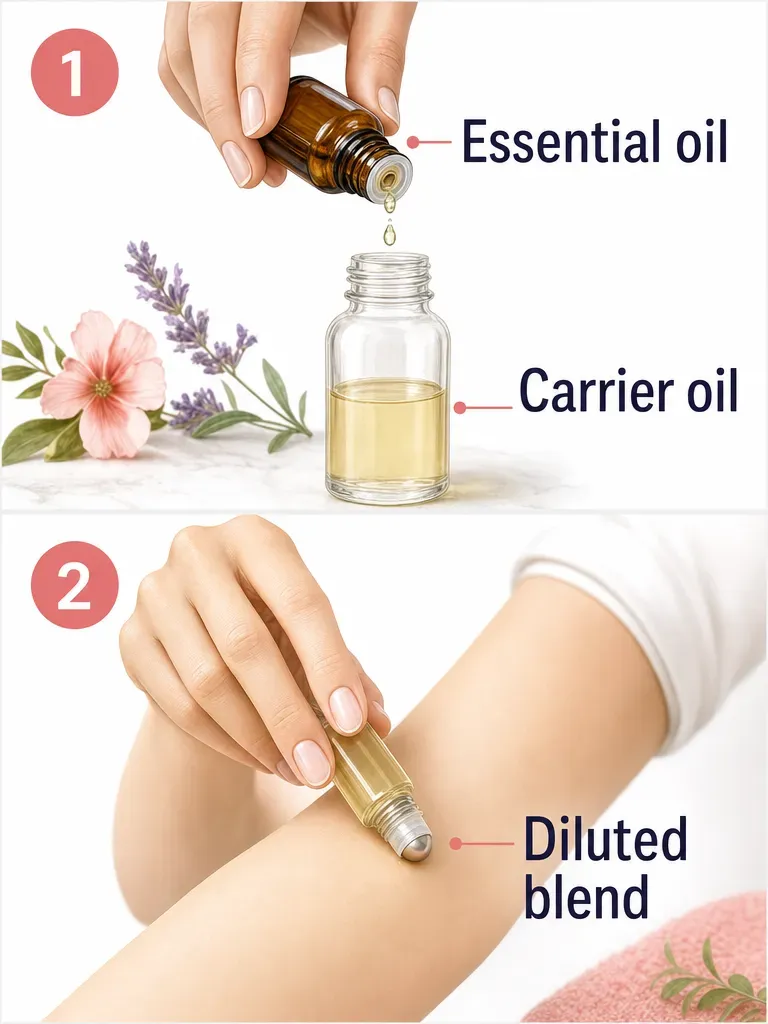
Aromatherapy uses essential oils, which are concentrated plant extracts, to support health and well-being. They may be inhaled, applied topically, or added to bathwater. Although endometriosis-specific investigation is limited, some people report symptom relief, particularly for emotional symptoms such as anxiety and depression.
Oils that may be beneficial include lavender, clary sage, rose, peppermint, and eucalyptus. A 2015 systematic review of essential oils in animal models of anxiety found anxiety-reducing effects for several oils, with lavender having the strongest profile. Animal findings do not establish symptom relief in people with endometriosis.
A 2006 randomized placebo-controlled trial involving 67 female college students with substantial menstrual cramps found less pain after abdominal massage using lavender, clary sage, and rose diluted in almond oil than after almond oil alone or no treatment. The participants had no systemic or reproductive disease, so this finding concerns menstrual cramps rather than endometriosis or adenomyosis specifically.
Dilute essential oils with a carrier oil, such as coconut or almond oil, before applying them to the skin, because undiluted oils can cause irritation. Use aromatherapy cautiously during pregnancy or breastfeeding, since certain oils may not be safe in these circumstances.
Hyperbaric oxygen therapy
The rationale for hyperbaric oxygen therapy, or HBOT, is that elevated oxygen levels may reduce inflammation and help damaged tissues heal. Early findings suggest that it may lessen pain and improve quality of life in people with endometriosis. Larger, more comprehensive investigations are needed to verify these benefits.
HBOT is not currently approved by the US Food and Drug Administration for treating endometriosis and should only be considered under a qualified healthcare provider’s supervision. Its risks include ear pain, sinus pressure, and rare but potentially serious oxygen toxicity.
Putting an integrative plan together
An integrative plan can address physical and emotional symptoms while targeting some suspected underlying mechanisms of endometriosis. Potential benefits include symptom relief, improved energy, better sleep, quality of life, and overall well-being. These are complementary goals, not a promise of a cure or a reason to replace conventional treatment.
An endometriosis specialist can help identify practitioners suited to the therapies you are considering. Ideally, work with a specialist who also has East-West integrative medicine training. Such clinicians can be difficult to find, but they exist.
Questions to take to your own doctor include:
- Which complementary approaches best fit my pain, muscle tension, menstrual symptoms, or emotional strain?
- How would these options fit with my current medication, hormonal treatment, or recommended surgery?
- Which dietary changes should I prioritize, and would any targeted supplements be useful?
- Could the supplements or herbs I am considering interact with my medications or cause side effects?
- Can you recommend an appropriate integrative practitioner, ideally one with East-West training?
- How will we assess whether an approach is helping my symptoms, sleep, energy, or quality of life?
References
Manheimer E, Cheng K, Linde K, Lao L, Yoo J, Wieland S, Berman BM. Acupuncture for treatment of infertility: a systematic review. Obstet Gynecol. 2008;111(4):904-911. DOI: 10.1186/s12905-025-04146-8
Soares TR, de Melo NH, de Lima Martins F, et al. The effectiveness of yoga in pain, menstrual disturbances, quality of life, and inflammatory markers in women with endometriosis: a systematic review. Complement Ther Clin Pract. 2021;44:101368. doi:10.1016/j.ctcp.2021.101368
Fernández-Martínez E, Onieva-Zafra MD, Parra-Fernández ML, et al. Effects of Massage on Pain, Anxiety, and Quality of Life in Patients With Endometriosis: A Systematic Review. J Nurs Scholarsh. 2019;51(6):614-623. doi:10.1111/jnu.12516
Mira T, Mira N, Canadas D. Nutrition and endometriosis: therapeutic strategies. Biomed Res Int. 2015;2015:191461. doi: 10.1155/2015/191461. PMID: 26064937; PMCID: PMC4445933.
Pan J, Dai Q, Zhang J, et al. Omega-3 fatty acids intake and risk of endometriosis: a systematic review and meta-analysis. Nutrients. 2018;10(10):1542. doi:10.3390/nu10101542
De Leo V, Musacchio MC, Cappelli V, Massaro MG, Morgante G, Petraglia F. Combined nutraceutical approach in the management of endometriosis-related pain. Minerva Ginecol. 2018;70(3):246-253. doi: 10.23736/S0026-4784.17.04057-9. PMID: 29243440.
Sesti F, Caponecchia L, Pietropolli A, et al. Magnesium in the gynecological practice: a literature review. Magnes Res. 2017;30(1):1-7. DOI: 10.1684/mrh.2017.0419
Amr MF, El-Mogy MM, Shams T, Vieira KSR, El-Masry SA. Vitamin D and Its Association with Endometriosis and Menstrual Pain: A Systematic Review and Meta-Analysis. J Clin Med. 2018;7(10):356. DOI: 10.1097/MS9.0000000000002174
Zhai B, Zheng W, Qi X, Tang K, Qin A, Lu J. The effectiveness of herbal medicine in the treatment of endometriosis: A systematic review. Complement Ther Med. 2017;34:81-96. DOI: 10.1016/j.jep.2025.120685
Gottfried SF, Long B, Wittlake WA. Hyperbaric oxygen therapy for endometriosis: a systematic review. Undersea Hyperb Med. 2018;45(1):27-37. PMID: 29698797.
Han SH, Hur MH, Buckle J, Choi J, Lee MS. Effect of aromatherapy on symptoms of dysmenorrhea in college students: A randomized placebo-controlled clinical trial. J Altern Complement Med. 2006 Jul-Aug;12(6):535-41. doi: 10.1089/acm.2006.12.535. PMID: 16884344.
Gómez-Caravaca AM, Gómez-Romero M, Arráez-Román D, Segura-Carretero A, Fernández-Gutiérrez A. Advances in the analysis of bioactive compounds in functional foods. Curr Med Chem. 2011;18(33):5289-5302. DOI: 10.3389/fnut.2025.1725297
Hwang JH, Han SM, Kwon YK. Short-term effects of aromatherapy massage on women with primary dysmenorrhea: a randomized controlled trial. J Altern Complement Med. 2009;15(7):731-738. doi: 10.1089/acm.2008.0368. PMID: 19552560.
de Sousa DP, de Almeida Soares Hocayen P, Andrade LN, Andreatini R. A systematic review of the anxiolytic-like effects of essential oils in animal models. Molecules. 2015;20(10):18620-18660. DOI: 10.3390/molecules201018620
Han Y, Fan A, Bi X, Zhang Y, Wang S. The effect of hyperbaric oxygen therapy on endometriosis: A systematic review and meta-analysis. Medicine (Baltimore). 2019;98(49):e18199. doi:10.1097/MD.0000000000018199
Liu JP, McIntosh H, Lin H. Chinese herbal medicines for endometriosis. Cochrane Database Syst Rev. 2006;(4):CD006568. PMID DOI: 10.1016/j.ctcp.2025.102020
Quick Answers
Which adenomyosis symptoms most affect daily life?
Heavy or prolonged periods and severe period pain usually cause the biggest disruption to daily life with adenomyosis. Bleeding can affect work, school, travel, and sleep, while fatigue, pelvic pressure, and pain with sex for some people can add to the burden.
Why do I look pregnant from bloating with constant pelvic pressure?
Bloating that makes you look pregnant with constant pelvic pressure can come from pelvic inflammation, swelling, or a sense of bulk. Endometriosis, adenomyosis, fibroids, ovarian cysts, and bowel sensitivity can contribute, and symptoms alone don’t reliably identify the cause.
Why does ovarian cyst pain keep coming back?
Ovarian cyst pain can return because new cysts form with ovulation, a cyst persists or comes back, or nearby endometriosis or scar-like bands cause pain. An endometrioma, a cyst caused by endometriosis, may be associated with deeper pelvic disease.
Why do I get low back and leg pain during my period?
Low back and leg pain during your period can happen when pelvic inflammation irritates pain pathways that send pain into your back and legs. In some patients, endometriosis can play a role, but pain can also come from the spine, hips, or muscles.