



Why Does Endometriosis Diagnosis Take So Long?
Why delays happen, what normal tests mean, and how to ask for a clear next step
Why an endometriosis diagnosis can take years
Endometriosis diagnosis can take so long because symptoms are normalized or attributed to other conditions, routine tests can miss it, and care can stall without a plan to reassess persistent symptoms. People can spend years moving through appointments, unexplained test results, and treatments that help only partly or not at all. That delay is not your fault.
A 2025 systematic review and meta-analysis of 10 studies of women experiencing diagnostic delays for endometriosis described delays averaging about 4.4 years in more recent data and often exceeding 10 years in older reports. Longer delays are linked with worse day-to-day symptoms, lower quality of life, and greater emotional distress.
Not being believed can feel like a second injury. Frustration, grief, and exhaustion about a prolonged delay are not overreactions.
How a diagnostic delay unfolds
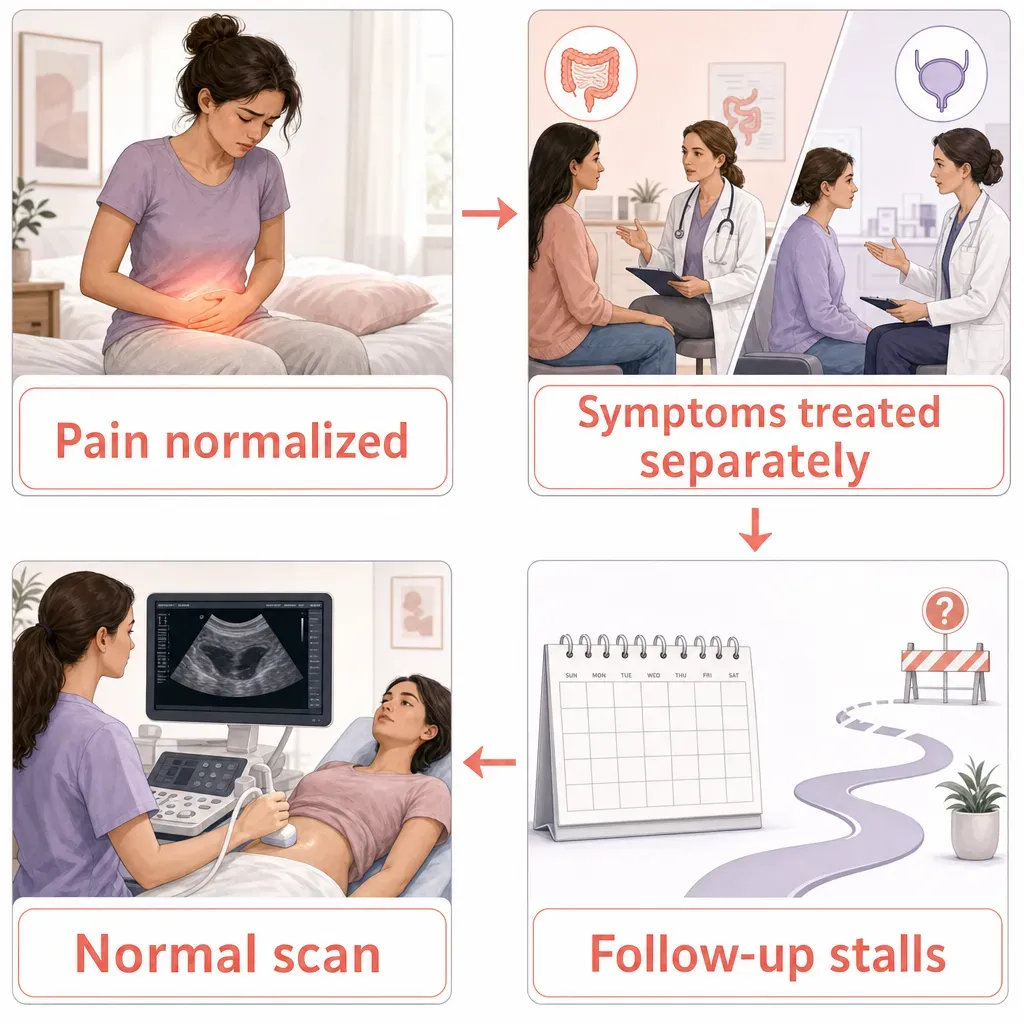
Endometriosis can be hard to identify because symptoms vary, overlap with other conditions, and do not always show up on routine testing. The delay may begin with normalizing painful periods, pelvic pain, pain with sex, bowel or bladder symptoms, or unexplained infertility. You may postpone seeking care or stop after a discouraging appointment.
Once care begins, individual symptoms may be treated separately. Constipation, painful periods, urinary frequency, and anxiety can each receive attention without anyone connecting the pattern. Normal imaging may then end the conversation, even though imaging can miss endometriosis.
Identifying what is happening can open up more targeted options: different hormonal strategies, endometriosis-aware pelvic pain management, and, when appropriate, referral to a clinician with deep endometriosis expertise.
Barriers before and after seeking care
Normalization, stigma, and waiting to seek care
The 2025 review identified barriers both before and after people sought care as major contributors to delay. Barriers before an appointment often reflect social and cultural pressures: being taught to accept severe period pain, embarrassment about discussing bowel symptoms or pain with sex, or fear of being dismissed again. These are not grounds for blaming someone who waited to seek help.
Delaying medical attention was an especially influential factor. The longer someone waits to be evaluated after symptoms begin, the longer the overall time to diagnosis tends to be.
If your symptoms are persistent or escalating, seek an evaluation. You do not need to earn care by suffering longer. Early evaluation does not guarantee an immediate diagnosis, but it can reduce years lost to normalization and trial-and-error.
Dismissal, misdiagnosis, and stalled follow-up
What happens after you seek care can prolong the delay, too. Pelvic pain may be attributed to stress, IBS, recurrent urinary tract infections, or normal cramps without revisiting that explanation when symptoms persist.
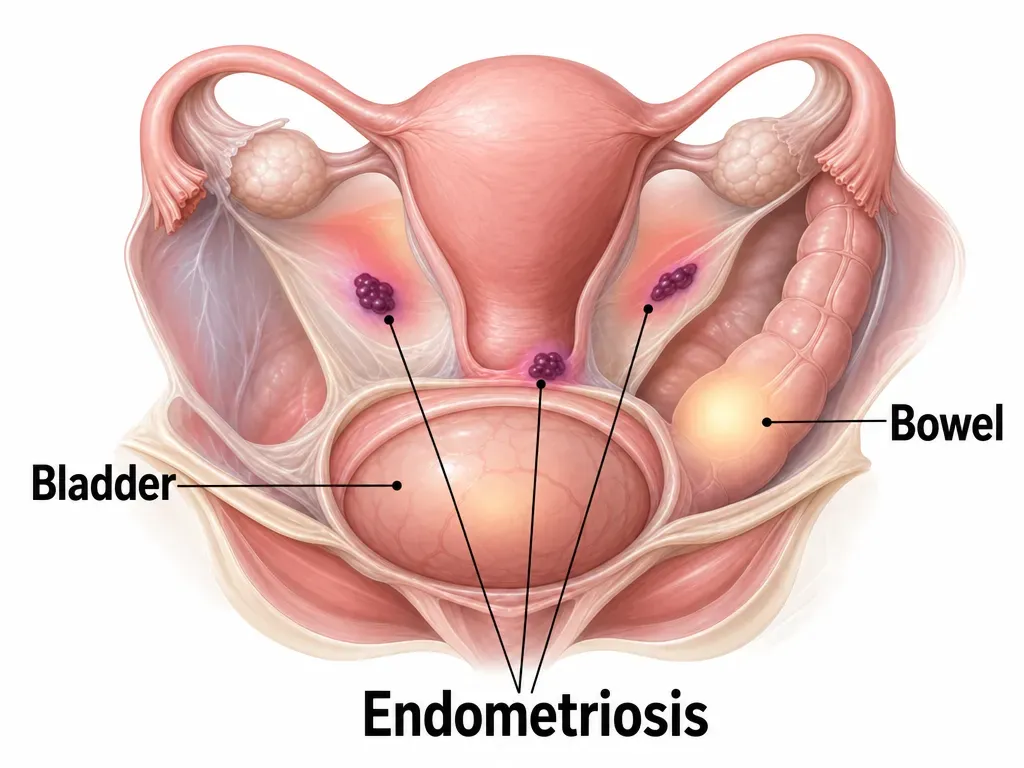
Another barrier is relying on tests that cannot reliably exclude endometriosis. A normal ultrasound, for example, may lead to the conclusion that endometriosis is unlikely, even though many people with endometriosis have normal imaging.
You can do the right things, attend appointments, complete tests, and try treatments, and still be failed by a system that does not recognize endometriosis quickly in everyone.
Normal tests do not rule out endometriosis
Basic laboratory tests, a pelvic exam, ultrasound, and CT can help assess or rule out other problems. But normal results often cannot rule out endometriosis. A normal ultrasound with persistent symptoms should not automatically close the question.
You can bring this language to your appointment: “My symptoms are persistent and function-limiting. I understand imaging can miss endometriosis.”
Then ask: “What is your plan to evaluate endometriosis specifically, and what’s the timeline for escalation or referral if the first steps don’t work?” You are asking for a care pathway, rather than arguing with your clinician or accepting another dead end.
Still Waiting for Answers About Your Symptoms?
Our specialists are here to help you understand your condition and explore your treatment options.
Schedule a ConsultationThe right clinician and a clear follow-up plan can help
The 2025 review also reported that seeing an OB/GYN, rather than only non-specialists, may shorten the path to diagnosis. The specialty label alone is not enough. What often matters most is whether the clinician takes a detailed endometriosis-focused history, offers treatment for suspected endometriosis when appropriate, and refers onward when symptoms do not respond.
If you have been stuck for a long time, it is reasonable to ask directly:
- “Do you routinely manage suspected endometriosis?”
- “If I don’t improve on this plan, who would you refer me to next?”
If you would like a specialist’s second opinion on persistent symptoms, imaging findings, or a proposed treatment plan, our team at Lotus Endometriosis Institute can review your options.
Prepare a concise record for your next appointment
The goal is not to become your own doctor. It is to communicate the pattern clearly and ask for a care pathway that matches the severity and persistence of your symptoms, without adding an exhausting amount of work.
A simple, specific one-month symptom log can be enough. Record patterns that make endometriosis more likely, including:
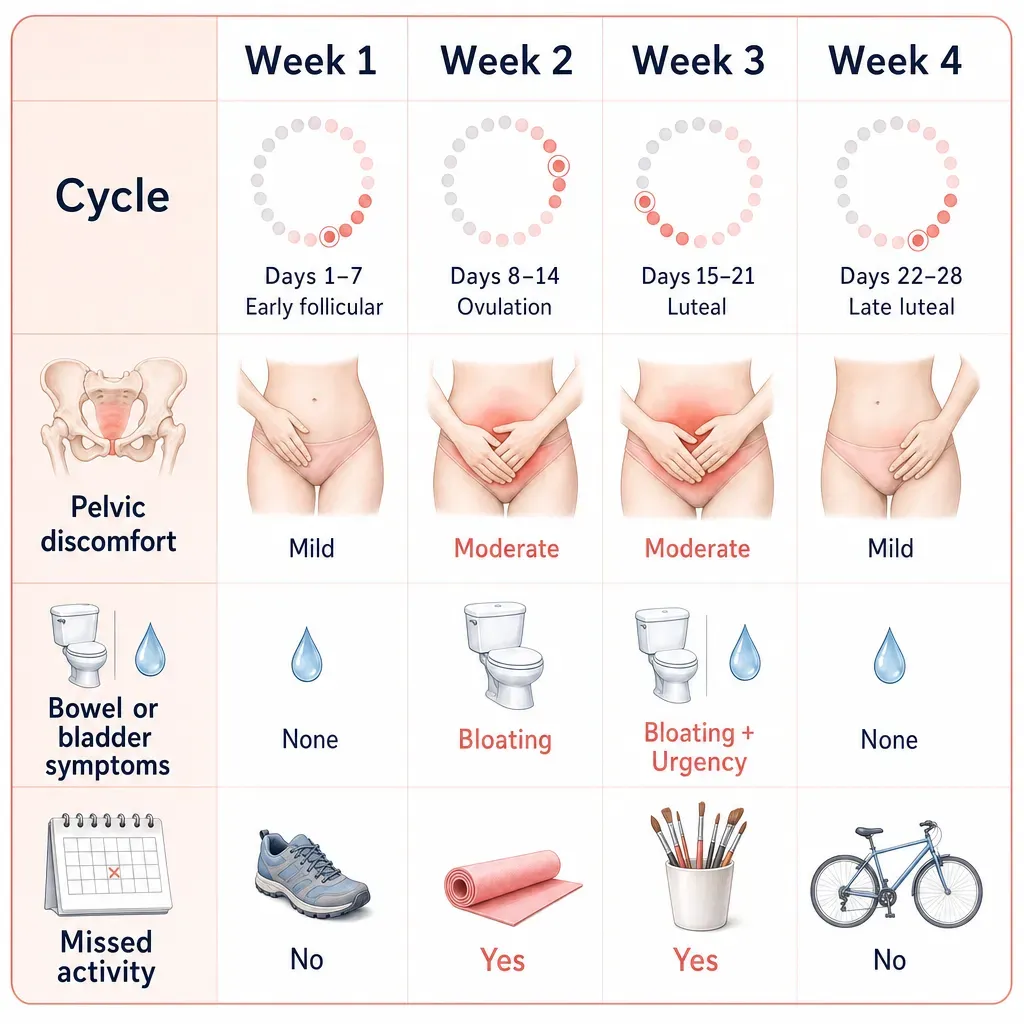
- Symptoms linked to your cycle, even if hormones make your cycles less noticeable.
- Deep pain with sex, or pain with bowel movements or urination, especially when it follows a cycle.
- Pain that causes missed work or school, vomiting, fainting, or bedrest.
- A family history of endometriosis.
- Fertility challenges.
If possible, bring a half-page summary of how symptoms affect your life and what you want treatment to accomplish. Clear examples of missed activities or disrupted sleep and work can communicate more than a pain score alone.
Questions that move the appointment forward
Use direct language about your symptoms, their impact, and your goals. These questions can help turn an appointment into a plan:
- “Given my symptoms, do you think endometriosis is on the table? If not, what diagnosis explains all of them together?”
- “What are the next steps if ultrasound is normal? How will we evaluate endometriosis beyond imaging?”
- “Can we set a timeline? If I’m not improved in 8–12 weeks on this plan, what happens next?”
- “At what point do you refer to an endometriosis-experienced gynecologist or pelvic pain specialist?”
- “If we try hormonal suppression, what degree of improvement should I expect, and what side effects should I watch for?”
- “My goal is pain control, preserving fertility, or functioning at work. What plan best matches that goal?”
Choose the goal that fits your situation. If appointments feel overwhelming or you tend to freeze, print these questions and circle your top three.
When to ask for faster escalation
Not every case requires urgent referral. But rapidly worsening pain, repeated emergency department visits, inability to function, severe bowel or urinary symptoms suggesting organ involvement, or time-sensitive infertility concerns justify a faster assessment.
If these apply, it is reasonable to say plainly: “I can’t keep trying one thing at a time for years. I need escalation.” You do not have to wait through an agreed treatment trial if your symptoms are worsening.
Contact your own clinician or treating care team about treatment problems, worsening symptoms, and follow-up needs. For symptoms that may be an emergency, call 911 or go to the nearest emergency department.
No study can predict your individual diagnosis date or promise that a particular action will produce a diagnosis within a set number of months. The statistical effect sizes in the 2025 review are not measurements in years. A clear escalation pathway and appropriate expertise are still worth seeking.
You are not failing at healthcare because you have not yet received a diagnosis. A prolonged delay is not a personal failure, and it should not become a reason to accept care that does not match the severity and persistence of your symptoms.
References
Li, Feng, Ye. Factors contributing to the delayed diagnosis of endometriosis—a systematic review and meta-analysis. Frontiers in Medicine. 2025.. DOI: 10.3389/fmed.2025.1576490
Quick Answers
Why do I have painful urination and pelvic cramping between periods?
Painful urination and pelvic cramping between periods can happen when the bladder, uterus, pelvic floor, or nerves are irritated. Endometriosis can contribute, but bladder pain syndrome, pelvic floor overactivity, or adenomyosis can also cause these symptoms.
Why does ovarian cyst pain keep coming back?
Ovarian cyst pain can return because new cysts form with ovulation, a cyst persists or comes back, or nearby endometriosis or scar-like bands cause pain. An endometrioma, a cyst caused by endometriosis, may be associated with deeper pelvic disease.
Why do I get low back and leg pain during my period?
Low back and leg pain during your period can happen when pelvic inflammation irritates pain pathways that send pain into your back and legs. In some patients, endometriosis can play a role, but pain can also come from the spine, hips, or muscles.
Can endometriosis cause infertility and pelvic pain in your 20s?
Yes, endometriosis can cause chronic pelvic pain and fertility challenges in your late 20s. Pain can include severe period cramps, pain with sex, and bowel or bladder pain, though symptom severity doesn’t always match how much disease is present.