



Can the Hormonal IUD Tame Your Adenomyosis Pain and Bleeding?
A long-acting, low-maintenance option for managing adenomyosis symptoms
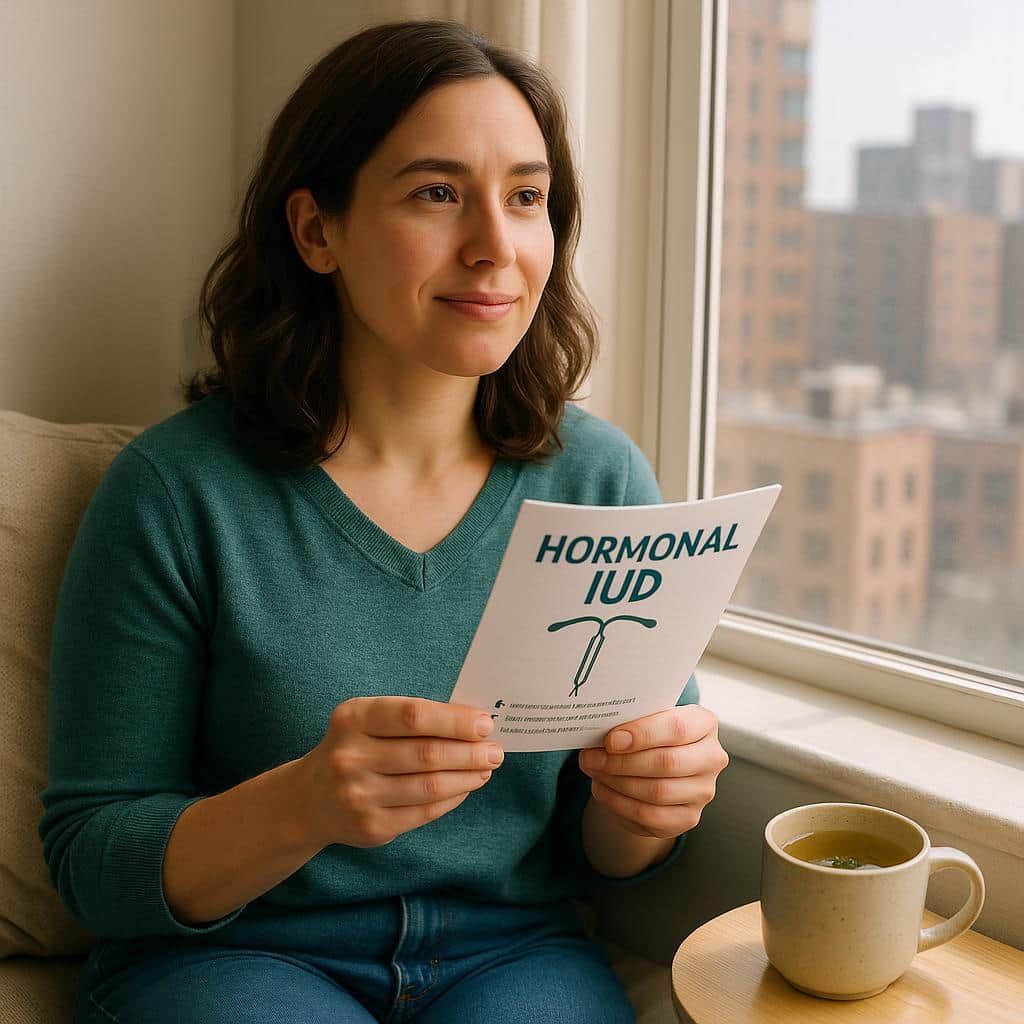
Living with adenomyosis can feel overwhelming—sometimes each period brings dread, pain can strike at any time, and heavy bleeding wears you down month after month. Even intimacy and daily activities become a struggle when pain, cramping, or fatigue rule your days. If your symptoms are affecting your quality of life and you’re searching for options other than daily medication or major surgery, the levonorgestrel intrauterine system (LNG-IUS), also known as the hormonal IUD, may be worth considering.
Unlike pills or injections, the LNG-IUS is a device placed inside your uterus, releasing a steady, localized dose of hormone right where it’s needed. Recent clinical evidence shows that this tiny device can make a big difference for many women with adenomyosis—offering real, lasting relief from pain and bleeding, and freeing you from daily medication routines. Let’s break down what you can expect, who it may help most, and what questions to ask your doctor.
What Is the LNG-IUS and How Can It Help Adenomyosis?
The LNG-IUS is a T-shaped device (often known by brand names like Mirena) placed during an office procedure inside your uterus. It steadily delivers levonorgestrel, a hormone that acts locally to thin the uterine lining and reduce inflammation. For adenomyosis, where the lining grows into the muscle of the uterus, this can significantly dampen pain signals and bleeding.
You might hear about the LNG-IUS mostly for contraception, but its use has expanded to treating gynecologic symptoms including those caused by adenomyosis. Because it works directly at the site of symptoms, many people see stronger results and fewer whole-body side effects than with oral medications.
How Well Does the Hormonal IUD Actually Work?
If you’re wondering about results, here’s what women treated for adenomyosis can generally expect:
- Pain Relief: Significant improvements are common. On a pain scale of 0-10, average menstrual pain scores in one study dropped from about 5.5 to 1.4 after six months. That’s a dramatic decrease, which could mean going from “I can’t function today” to “I can handle this.”
- Other Pelvic Pain and Pain During Sex: Lesser-known symptoms like chronic pelvic pain and dyspareunia (pain during intercourse) also improved, with scores dropping by more than half in most cases.
- Menstrual Bleeding: If heavy bleeding is your main concern, the LNG-IUS shines here. Average blood loss fell from 67 mL to less than 5 mL—a shift that means many users go from soaking through pads every hour to having normal, light, or even no periods at all (amenorrhea).
- Overall Satisfaction: About 87% of women using the device for adenomyosis report being satisfied. Many women appreciate the freedom from daily pills, unpredictable cycles, and constant worries about leaks.
Are There Any Downsides or Side Effects You Should Know About?
While the LNG-IUS is generally well-tolerated, it’s important to go in with open eyes:
- Device Expulsion or Displacement: Around 1 in 20 users (about 4.5%) may experience the device moving out of place or falling out. This is more likely if your uterus is larger due to adenomyosis, especially if diagnosed on physical exam or imaging. If this happens, replacement or additional procedures (sometimes including securing the device with sutures) may be needed.
- Hormonal Side Effects: Because most of the hormone stays local, side effects like mood changes, acne, or breast tenderness are much less common than with the pill, but can still happen.
- Irregular Bleeding: Spotting or light irregular bleeding often occurs in the first few months but usually improves with time. Some women ultimately have no periods at all.
- Initial Discomfort: Placement can be uncomfortable, but the procedure is quick and pain usually subsides afterward.
Ready to Reduce Adenomyosis Pain?
Our specialists are here to help you understand your condition and explore your treatment options.
Book Your ConsultationIs the LNG-IUS Right for You?
You may be a good candidate for the LNG-IUS if:
- You want effective relief from pelvic pain or heavy periods caused by adenomyosis.
- You prefer long-lasting treatment without daily pills or injections (the device works for up to 5 years).
- Preserving fertility is important—while rare, pregnancies can happen if the device is displaced, but it’s a non-surgical option.
- Your uterus is not extremely enlarged (since very large uterine size increases risk of device expulsion).
However, if you have significant distortion of the uterus, frequent device expulsions, or contraindications to hormones, you may need a tailored approach.
When Can You Expect Results?
Many women notice improvement in pain and bleeding within the first few cycles after insertion. For most, maximum benefit appears by 6 months. It’s normal to have some spotting or irregular bleeding at the start—so give it time unless symptoms worsen or don't improve by about 6 months.
Practical Takeaways: Taking Charge of Your Treatment
Here are key questions to ask your doctor if you’re considering the LNG-IUS for adenomyosis:
- What’s my uterine size, and will that affect how well the device stays in place?
- What can I expect with pain and bleeding after insertion—and what’s normal in the first months?
- How will I know if the device moves or gets expelled, and what should I do if that happens?
- What are the realistic chances I’ll need to try another treatment if this doesn’t work?
- How does the LNG-IUS fit with my plans for future fertility, if I have them?
The Reality Check: What We Still Don’t Know
While the evidence looks promising—especially for pain and bleeding—no treatment works equally well for everyone. About 1 in 10 women in recent studies found the LNG-IUS wasn’t effective or had complications that led them to stop the device. Results may be less dramatic if your uterus is very large, or if other gynecologic conditions are also playing a role in your symptoms.
It’s also important to know that this isn’t a cure for adenomyosis. Symptoms can return if the device is removed, and long-term management may include trying different options over time.
If you find that the LNG-IUS isn’t a good fit, other treatments—such as hormonal pills, GnRH agonists, non-hormonal options, or in some cases, surgery—are available and can be tailored to your needs.
Remember: Your experience is valid, and you deserve a treatment plan that puts your quality of life first. Keep asking questions, track your symptoms, and don’t be afraid to revisit your options if your current approach isn’t enough.
References
Pragash, Khakhar. Efficacy and Outcomes of the Hormone-Releasing Levonorgestrel-Intrauterine System for Adenomyosis Treatment. Cureus. 2025. DOI: 10.7759/cureus.97669
Quick Answers
When is hysterectomy recommended for adenomyosis?
A hysterectomy is typically considered for adenomyosis when symptoms are severe and clearly uterus-driven—most often heavy bleeding (sometimes with anemia), intense cramping, pelvic pressure, and daily quality-of-life disruption—and you’re not planning future pregnancy. It’s the most definitive option because adenomyosis lives within the uterine muscle, so removing the uterus removes the source of the problem.
In practice, we usually weigh hysterectomy most strongly when conservative options haven’t brought acceptable relief, aren’t tolerated, or don’t fit your goals. The decision also depends on the pattern and extent of disease (diffuse adenomyosis versus a more focal adenomyoma that may be removable while preserving the uterus) and whether endometriosis may also be present. If endometriosis is part of the picture, it’s important to know that hysterectomy alone doesn’t treat disease outside the uterus—durable symptom relief depends on addressing all pain generators.
If you’re wondering whether you’re at the point where hysterectomy makes sense, our team can help clarify what’s most likely driving your symptoms, review imaging, and walk you through uterus-preserving versus definitive surgical paths so you can choose the option that best matches your relief and fertility priorities.
Which adenomyosis symptoms most affect daily life?
Adenomyosis symptoms that most disrupt quality of life usually come from two main issues: how the uterus bleeds and how it hurts. Many patients describe heavy or prolonged periods that interfere with work, school, travel, and sleep—sometimes with flooding, frequent pad/tampon changes, and fatigue that can follow significant blood loss. Severe period pain (often more than “normal cramps”) is also common, and it can feel deep, aching, or pressure-like, sometimes accompanied by an enlarged, tender uterus and a sense of pelvic heaviness or bloating.
Outside of the period itself, adenomyosis can contribute to chronic pelvic pain, pain with sex for some people, and bowel or bladder discomfort—especially when symptoms flare around the menstrual cycle. It can also overlap with endometriosis, and when both are present symptoms may intensify or become harder to tease apart. If your day-to-day life is being shaped by bleeding, pain, pressure, or fertility stress, our team can help you sort out whether adenomyosis, endometriosis, fibroids, or more than one condition may be driving the pattern—and what next-step options make sense for your goals.
Why do I have chronic fatigue and pelvic pain?
Chronic fatigue plus pelvic pain often feels “unexplainable” because it’s rarely caused by just one issue—and many of the most common drivers don’t show up on routine labs or a quick ultrasound. Endometriosis and adenomyosis can cause persistent pelvic pain, painful periods, bowel/bladder symptoms, and deep fatigue through inflammation, disrupted sleep, heavy bleeding (and possible iron deficiency), and the sheer energy cost of living with ongoing pain. It’s also common for more than one gynecologic condition to coexist—like fibroids, polyps, or benign cysts—so a single label may not fully match what you’re experiencing.
Another reason symptoms can persist is that the nervous system can become more pain-sensitive over time (often called central sensitization), meaning pain can spread, linger outside your cycle, or feel disproportionate to what imaging shows. In those cases, symptom relief alone can miss the bigger picture: we think in terms of both treating disease (for example, addressing endometriosis lesions or uterine drivers like adenomyosis/fibroids) and building a personalized pain-management plan so your body can “turn down the volume” on pain signals.
If your fatigue and pelvic pain have been brushed off or left without a clear plan, our team can help you sort through the likely contributors, including endometriosis/adenomyosis and common coexisting conditions, and map next steps that fit your goals. You can explore our educational resources on fatigue, chronic pelvic pain, and comprehensive treatment approaches, and reach out to schedule a consultation when you’re ready.
Why does sex hurt more around my period?
Pain with sex that flares around your period often points to a hormonally driven pelvic pain source—meaning tissue and nerves in the pelvis become more inflamed and reactive in the days leading up to bleeding and during menstruation. Endometriosis is a common reason: lesions can irritate nearby nerves and organs, and the inflammatory chemicals they produce can amplify pain signals. Adenomyosis (endometrial-like tissue within the uterine muscle) can also make the uterus unusually tender and crampy, so penetration, orgasm-related uterine contractions, or even pelvic pressure can feel painful around that time.
The “where” and “when” of the pain matters. Deep pain with penetration can be related to endometriosis near the uterosacral ligaments, cervix/vaginal fornix, rectovaginal space, bowel, or bladder—especially if scarring or adhesions have altered how those structures move. Pain after sex or after orgasm can happen when pelvic floor muscles spasm or when uterine contractions tug on sensitized areas. If this pattern is recurring, our team can help map your symptom timing and triggers and evaluate for endometriosis, adenomyosis, pelvic floor dysfunction, and overlapping bladder/bowel involvement so treatment targets the real driver of your pain rather than just masking it.
What should I ask at an adenomyosis surgery consult?
At an adenomyosis surgery consult, we want you to leave with clarity on the goal of treatment—are we primarily trying to control heavy bleeding, relieve pain/pressure, protect fertility, or all three? Ask what is driving your symptoms based on your history and imaging (ultrasound/MRI), and whether adenomyosis seems diffuse versus a more localized adenomyoma, because that often changes what surgery can realistically accomplish. It’s also important to ask how often adenomyosis overlaps with endometriosis in cases like yours and whether your surgical plan accounts for both.
Then get very specific about options and tradeoffs: ask whether a uterus‑preserving approach is feasible for you versus whether hysterectomy is the most definitive path, and what symptom relief you can reasonably expect with each. Ask what the anticipated scope of surgery is (uterus only vs. evaluation/treatment of other pelvic sites), what surgical approach will be used (laparoscopic vs. robotic), and how the team plans to maximize completeness and safety in complex anatomy. Finally, ask about recovery logistics—same‑day vs. overnight stay, typical timeline back to daily activities, and what postoperative follow‑up looks like—so you can plan your life around the procedure; if you’d like, reach out and we can review your records and imaging with you and map a surgical plan aligned with your goals.